Sake has long been associated with Japanese dining, yet many people are surprised to learn how diverse and approachable it really is. Whether you’re enjoying sushi for the first time or looking to elevate your next meal, understanding the basics of sake can make the entire dining experience more enjoyable.
Unlike wine or beer, sake follows its own traditions, brewing methods, and serving styles. Once you know what to look for, choosing the right bottle becomes much less intimidating.
If you’re planning to enjoy premium Japanese cuisine, learning about sake is one of the easiest ways to appreciate the craftsmanship behind every meal.
What Is Sake?
Sake is a traditional Japanese alcoholic beverage made by fermenting polished rice, water, yeast, and koji mold. While it’s often referred to as “rice wine,” its brewing process is actually closer to beer because the starches in rice are converted into fermentable sugars before alcohol is produced.
Japan has perfected sake brewing over centuries, resulting in countless regional styles that range from light and floral to rich and full-bodied.
The quality of the rice, water source, polishing ratio, and brewing technique all influence the final flavor.
How Is Sake Made?
Creating sake requires patience and precision.
The basic process includes:
Polishing the rice to remove the outer layers.
Washing, soaking, and steaming the rice.
Adding koji mold to convert starch into sugar.
Fermenting the mixture with yeast.
Pressing, filtering, and bottling the finished sake.
Even slight changes during production can dramatically affect aroma, sweetness, acidity, and texture.
This attention to detail mirrors the same dedication found in traditional Japanese cuisine, where craftsmanship plays a central role in every dish.
The Main Types of Sake
While there are many classifications, beginners can start with these popular varieties.
Junmai
Junmai sake contains only rice, water, yeast, and koji.
It tends to have a fuller body with earthy, savory flavors that pair beautifully with grilled dishes and richer sushi selections.
Ginjo
Ginjo sake uses rice polished to a higher degree, producing elegant aromas and a lighter, smoother taste.
Expect fruity notes like pear, apple, or melon.
Daiginjo
Often considered one of the most refined styles, Daiginjo features even more highly polished rice, resulting in delicate floral aromas and exceptional balance.
It’s an excellent choice for special occasions.
Nigori
Nigori is partially filtered, giving it a cloudy appearance and creamy texture.
Its subtle sweetness makes it approachable for first-time sake drinkers.
Should Sake Be Served Hot or Cold?
One of the biggest misconceptions is that all sake should be served hot.
In reality, serving temperature depends on the style.
Premium Ginjo and Daiginjo are usually served chilled to preserve their delicate aromas.
Junmai can be enjoyed either warm or at room temperature.
Some richer styles become even more expressive when gently warmed.
The goal is to enhance the sake’s natural characteristics rather than mask them.
How to Taste Sake
Tasting sake involves more than simply taking a sip.
Start by observing its appearance. Some varieties are crystal clear, while others, like Nigori, have a cloudy finish.
Next, notice the aroma. You may detect hints of fruit, flowers, rice, nuts, or even subtle herbal notes.
Finally, pay attention to the texture. Some sake feels crisp and refreshing, while others are silky, creamy, or rich on the palate.
Taking your time allows you to appreciate the complexity behind each glass.
Pairing Sake with Sushi
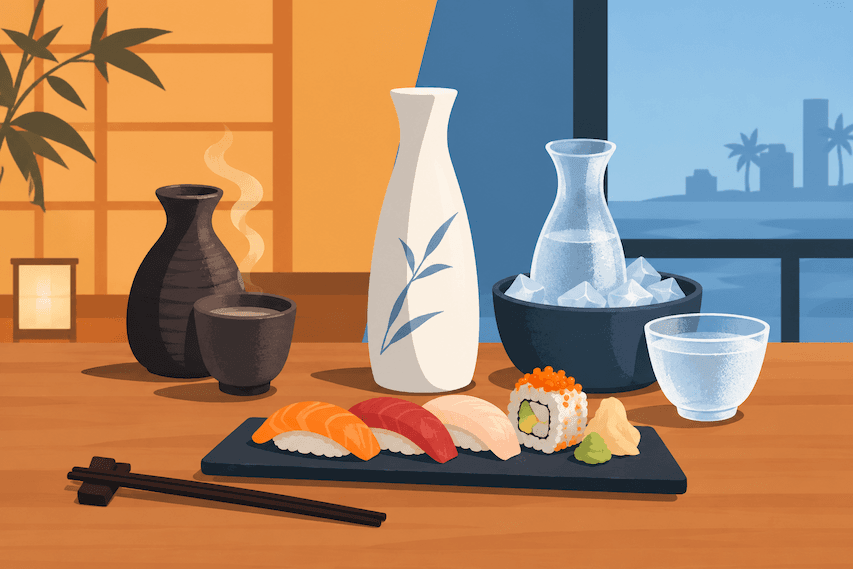
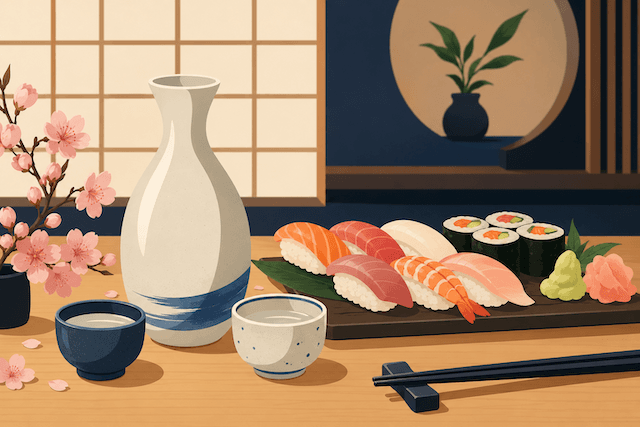
One of sake’s greatest strengths is its versatility.
Its balanced acidity and clean finish complement many sushi styles without overpowering delicate flavors.
Lighter sakes pair wonderfully with white fish, shrimp, and vegetable rolls, while fuller-bodied Junmai works well alongside richer ingredients such as salmon, eel, or wagyu.
Guests exploring a carefully crafted sushi menu featuring premium Japanese flavors often discover that pairing different sake styles with each course enhances both the food and the beverage.
Sake Beyond Sushi
Although sake is famous for accompanying sushi, it also pairs exceptionally well with many Japanese dishes.
Try it with:
Tempura
Yakitori
Wagyu beef
Grilled seafood
Robata dishes
Japanese appetizers
The right pairing can highlight flavors that might otherwise go unnoticed.
Common Myths About Sake
“Sake is always served hot.”
Not true. Many premium varieties are best enjoyed chilled.
“All sake tastes the same.”
Different brewing methods, rice polishing ratios, and regions create an impressive range of flavors.
“Sake is extremely strong.”
Most sake contains around 13% to 16% alcohol by volume, making it comparable to many wines.
“Only sushi lovers enjoy sake.”
Sake complements numerous cuisines and continues to gain popularity among food enthusiasts around the world.
How to Choose Your First Sake
If you’re new to sake, keep these simple tips in mind:
Start with Ginjo if you enjoy lighter, fruit-forward flavors.
Choose Junmai if you prefer richer, savory profiles.
Try Nigori for a creamy, slightly sweet experience.
Ask your server for pairing recommendations based on your meal.
Exploring different styles is part of the fun, and there’s no single “correct” choice.
Experience Sake Alongside Exceptional Japanese Cuisine
The best way to understand sake is to enjoy it in an environment where every detail has been thoughtfully curated.
An evening centered around an immersive Japanese dining experience inspired by omakase traditions allows guests to discover how expertly paired sake can elevate every course, from delicate appetizers to premium sushi creations.
Whether you’re celebrating a special occasion or simply expanding your appreciation for Japanese cuisine, the right sake transforms an excellent meal into a memorable one.
Frequently Asked Questions
Is sake stronger than wine?
Not necessarily. Most sake ranges between 13% and 16% alcohol by volume, which is similar to many wines.
Is sake gluten-free?
Traditional sake made from rice, water, yeast, and koji is generally considered gluten-free. However, it’s always best to check with the producer if you have dietary concerns.
Can beginners enjoy sake?
Absolutely. Styles like Ginjo and Nigori are often recommended because of their approachable flavors and smooth finish.
Does sake need to be refrigerated?
Unopened premium sake should be stored in a cool, dark place. After opening, refrigeration helps preserve its freshness.
What’s the best sake for sushi?
There isn’t a single best option. Light, aromatic sakes pair beautifully with delicate fish, while fuller-bodied varieties complement richer sushi selections.