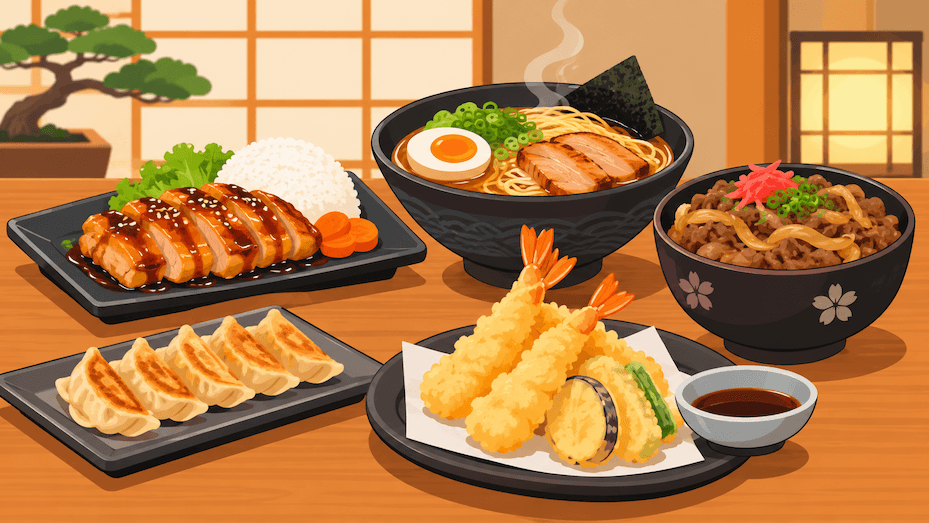
Not everyone enjoys raw fish, but that doesn’t mean you have to miss out on Japanese cuisine. From crispy shrimp tempura and grilled eel to chicken yakitori, steamed dumplings, and cooked sushi rolls, there are plenty of flavorful options for diners who prefer their food fully cooked.
Whether you’re new to Japanese food, dining with friends who love traditional sushi, or simply looking for something different, understanding which dishes contain cooked ingredients can make ordering much easier. At Tokyo Sushi Speakeasy in South Beach, you can explore a selection of cooked small plates, shrimp-based specialties, grilled dishes, and Japanese-inspired creations without making raw seafood the focus of your meal.
Here’s what to look for when choosing Japanese food without raw fish.
1. Can You Enjoy Japanese Food Without Eating Raw Fish?
Yes. Japanese cuisine includes many dishes made with cooked seafood, grilled meats, vegetables, noodles, rice, and savory broths. You don’t need to eat sashimi or traditional raw-fish sushi to enjoy a satisfying Japanese meal.
Although sushi restaurants are often associated with raw fish, their menus can offer a much wider range of preparations.
Some popular cooked options include:
Shrimp tempura: Seafood coated in a light batter and fried until crisp.
Unagi: Freshwater eel that is typically grilled and glazed with a savory sauce.
Yakitori: Japanese-style grilled chicken skewers.
Gyoza: Japanese dumplings commonly pan-fried or steamed.
Ebi shumai: Steamed shrimp dumplings.
Miso soup: A warm broth made with fermented soybean paste.
Cooked specialty rolls: Sushi rolls featuring ingredients such as tempura shrimp or grilled eel.
The key is to look beyond the word sushi and pay attention to how each ingredient is prepared.
2. What Are the Best Cooked Sushi Options for Beginners?
Cooked sushi rolls are a great starting point for people who want to experience sushi without eating raw fish. They combine familiar ingredients, seasoned rice, seaweed, sauces, and cooked fillings to create a variety of textures and flavors.
Here are some popular options worth understanding.
Shrimp Tempura Rolls
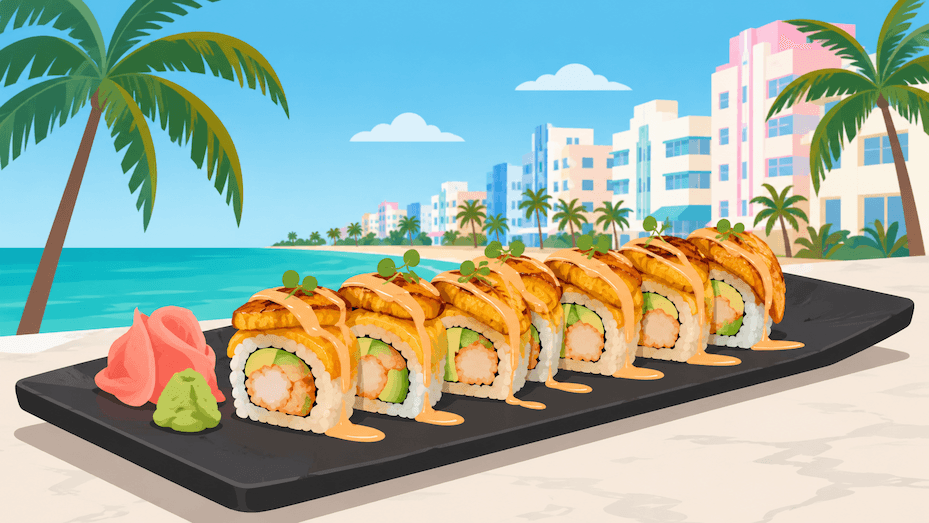
Shrimp tempura rolls feature battered shrimp that is fried until golden and crispy, then combined with sushi rice, nori, and other ingredients.
The contrast between crunchy shrimp and soft rice makes this a popular option for diners who prefer cooked seafood.
Look for rolls containing:
Shrimp tempura
Avocado
Cucumber
Crab or other cooked fillings
Spicy mayo or eel sauce
Always check the toppings, since a roll containing cooked shrimp may still be finished with raw fish or roe.
Eel Rolls
Eel, known as unagi when referring to freshwater eel, is commonly grilled and coated with a sweet-savory sauce.
Its tender texture and rich flavor make it an approachable choice for people who aren’t comfortable eating raw seafood.
Eel is often served with sushi rice or included in specialty rolls. It can also be combined with avocado and cucumber for additional texture.
California Rolls
California rolls are generally made with crab or imitation crab, cucumber, and avocado.
They are a familiar introduction to sushi for many first-time diners because they typically do not require raw fish.
However, ingredients and preparation vary between restaurants, so confirm whether the crab filling is fully cooked and whether any raw toppings are included.
Wagyu Beef Rolls
Some modern Japanese restaurants offer sushi rolls featuring beef instead of traditional raw seafood.
These can appeal to diners who prefer meat-based flavors. However, preparation matters. Some wagyu sushi uses seared beef, while other versions contain beef tartare, which is raw.
Always ask how the beef is prepared before ordering.
3. What Is Shrimp Tempura, and Why Is It a Great Choice?
Shrimp tempura is Japanese-style battered shrimp that is fried until light, crisp, and golden. It offers a satisfying alternative to raw seafood because the shrimp is cooked while retaining a tender interior.
Tempura is popular in Japanese restaurants because its texture and relatively mild flavor work well with rice, vegetables, and savory sauces.
What Makes Tempura Different?
Traditional tempura uses a light batter that creates a delicate, crisp coating rather than a thick, heavy crust.
Common tempura ingredients include:
Shrimp
Sweet potato
Pumpkin
Mushrooms
Eggplant
Seasonal vegetables
The shrimp version is especially popular because it combines a naturally sweet seafood flavor with a crunchy exterior.
Where Can You Try Cooked Shrimp Dishes in Miami Beach?
Tokyo Sushi Speakeasy offers several shrimp-based dishes for diners who prefer cooked seafood.
Its menu includes:
Super Crunch Shrimp: Crispy battered shrimp served with house eel sauce.
Ebi Shumai: Steamed shrimp dumplings served with ponzu sauce.
Tokyo Gold Roll: A signature roll featuring shrimp tempura, eel, and avocado, topped with tuna, ikura, spicy mayo, eel sauce, and 24K gold leaf.
One important distinction: the Tokyo Gold Roll includes raw tuna and ikura toppings, so it is not a fully cooked option. Guests avoiding raw seafood should ask about alternatives rather than assuming the cooked shrimp filling makes the entire roll suitable.
You can explore the restaurant’s full sushi and Japanese food menu to see its current offerings.
4. What Is Unagi, and Is Japanese Eel Cooked?
Unagi is freshwater eel commonly prepared by grilling it and brushing it with a sweet-savory sauce. It is a popular Japanese ingredient known for its tender texture, rich flavor, and glossy glaze.
Unlike raw fish preparations, traditional unagi is cooked before serving.
What Does Unagi Taste Like?
Unagi has a rich, slightly sweet flavor with a soft, tender texture. Its sauce often combines soy sauce, mirin, sake, and sugar, creating a balanced sweet and savory finish.
For someone who prefers cooked seafood, grilled eel can be an interesting way to explore Japanese flavors.
How Is Unagi Served?
Common preparations include:
Unagi nigiri: Grilled eel placed over seasoned sushi rice.
Unagi maki: Eel combined with rice and other fillings in a sushi roll.
Unadon: Grilled eel served over a bowl of rice.
Unagi donburi: A rice bowl featuring grilled eel and accompanying toppings.
At Tokyo Sushi Speakeasy, unagi appears in its sushi selection, including the Tokyo Gold Roll. The restaurant’s menu also lists eel nigiri.
If you want a completely cooked order, ask your server to confirm the preparation and all accompanying toppings.
5. What Japanese Appetizers Can You Order Without Raw Fish?
Japanese appetizers are an excellent way to enjoy a meal without committing to raw seafood. Many are served warm and feature familiar ingredients such as chicken, shrimp, vegetables, and dumplings.
Consider these options when reviewing a Japanese restaurant menu.
Chicken Yakitori
Yakitori refers to Japanese grilled chicken skewers. The chicken is cooked over heat and often finished with a savory glaze or seasoning.
It is a good choice if you prefer meat over seafood.
Tokyo Sushi Speakeasy serves chicken yakitori with teriyaki glaze, scallions, and sesame seeds.
Gyoza
Gyoza are Japanese dumplings filled with ingredients such as pork or vegetables.
They are commonly pan-fried, steamed, or prepared using a combination of both methods. Their soft filling and lightly crisp exterior make them a satisfying appetizer.
Tokyo Sushi Speakeasy offers pork and vegetable gyoza with sesame peanut ponzu.
Ebi Shumai
Ebi shumai are small shrimp dumplings that are steamed until cooked through.
They offer a softer texture than fried appetizers and are easy to share with the table.
Tokyo Sushi Speakeasy serves steamed shrimp shumai with ponzu sauce.
Truffled Edamame
Edamame consists of young soybeans that are steamed and lightly seasoned.
At Tokyo Sushi Speakeasy, truffled edamame adds an aromatic twist to this simple Japanese-inspired starter.
It is a useful option if you want something lighter before ordering more substantial dishes.
Miso Soup
Miso soup is a traditional Japanese soup made with fermented soybean paste and savory broth.
It commonly includes tofu, seaweed, and scallions. Its warm, comforting flavor makes it a natural addition to a meal featuring grilled or fried dishes.
If you have dietary restrictions, check the broth and seasoning ingredients before ordering.
6. How Can You Identify Raw Fish on a Japanese Menu?
The easiest way to identify raw fish is to look for preparation terms such as sashimi, tartare, or certain types of nigiri. However, some menu descriptions can be less obvious, so asking your server is always a good idea.
Here are common terms worth recognizing.
Menu Term | What It Usually Means | Raw or Cooked? |
|---|---|---|
Sashimi | Thinly sliced fish without rice | Usually raw |
Tataki | Lightly seared fish or meat | Often raw or rare inside |
Tartare | Finely chopped raw ingredients | Usually raw |
Tempura | Battered and deep-fried ingredients | Cooked |
Unagi | Freshwater eel, usually grilled | Cooked |
Yakitori | Grilled chicken skewers | Cooked |
Ebi | Shrimp | Depends on preparation |
Aburi | Flame-seared sushi topping | May be raw inside |
Remember that a cooking term does not automatically mean every component of a dish is cooked.
For example, aburi sushi is briefly torched on the surface, but the inside may remain raw. Similarly, a shrimp tempura roll can contain raw fish as a topping.
When avoiding raw fish, check the entire dish rather than just its main ingredient.
7. How Should You Order Sushi if You Don’t Eat Raw Fish?
Ordering Japanese food becomes easier when you communicate your preferences and choose dishes based on their actual preparation. You don’t need extensive knowledge of Japanese cuisine to enjoy a meal confidently.
Use these practical steps when visiting a sushi restaurant.
Step 1: Tell Your Server Your Preference
Start by explaining that you prefer fully cooked seafood and do not eat raw fish.
This helps the staff recommend suitable dishes and identify ingredients you might otherwise overlook.
Step 2: Ask About the Entire Dish
Don’t just ask whether the main filling is cooked. Find out whether the toppings, sauces, garnishes, and additional ingredients contain raw seafood.
This is especially important for specialty rolls.
Step 3: Start With Familiar Dishes
Choose dishes with ingredients you already enjoy.
For example:
Shrimp tempura
Chicken yakitori
Vegetable gyoza
Steamed shrimp dumplings
Cooked eel
Starting with familiar flavors can make trying new Japanese dishes more comfortable.
Step 4: Check for Raw Toppings
Some sushi rolls combine cooked ingredients with raw fish, roe, or other seafood toppings.
Ask whether the entire roll can be prepared without raw seafood. Do not assume that removing one topping automatically makes the dish suitable.
Step 5: Explore Beyond Sushi Rolls
You can create a satisfying meal using appetizers, grilled dishes, soup, and other cooked specialties.
This also gives you an opportunity to experience different aspects of Japanese cuisine rather than limiting yourself to sushi.
8. How Can You Build a Japanese Dinner Without Raw Fish?
A balanced Japanese dinner can include several small plates, a cooked seafood or meat dish, and a dessert. Choosing a variety of textures and flavors makes the experience more interesting.
Here are some simple combinations to consider.
For a First-Time Visitor
Start with familiar flavors and avoid ordering too many unfamiliar dishes at once.
A good starting combination might include:
Truffled edamame
Vegetable gyoza
Shrimp tempura
A cooked specialty roll, after confirming all toppings
For Two People
Sharing a few appetizers makes it easier to try different dishes.
Consider combining:
Chicken yakitori
Ebi shumai
Super Crunch Shrimp
A fully cooked sushi option confirmed by the server
You can add another small plate depending on your appetite.
For a Group Dinner
A group can order a wider selection of dishes to accommodate different preferences.
Consider mixing:
Cooked seafood
Grilled chicken
Vegetable-based appetizers
Dumplings
Cooked sushi selections
Japanese-inspired desserts
Guests who enjoy raw fish can order their preferred dishes separately, while those who prefer cooked food can choose suitable alternatives.
If someone has a seafood allergy, make sure the restaurant is informed. Avoiding raw fish is not the same as avoiding seafood, and cross-contact may still be a concern.
9. What Should You Look for in a Japanese Restaurant in Miami Beach?
A good Japanese restaurant should offer more than one style of preparation, allowing guests with different preferences to enjoy the same dining experience.
When choosing a restaurant in Miami Beach, consider these factors.
Menu Variety
Look for a menu that includes cooked seafood, grilled proteins, appetizers, vegetables, and sushi options.
A varied menu makes it easier to accommodate guests who enjoy raw fish and those who prefer cooked dishes.
Clear Menu Descriptions
Descriptions should help you understand the main ingredients and cooking methods.
If something is unclear, the restaurant staff should be able to explain whether the dish contains raw, seared, grilled, or fried ingredients.
A Comfortable Dining Atmosphere
Food is only one part of the experience. The restaurant’s atmosphere, service, drinks, and setting can all influence how enjoyable your evening becomes.
For visitors exploring South Beach, Tokyo Sushi Speakeasy combines contemporary Japanese dining, signature sushi creations, cocktails, and a distinctive speakeasy atmosphere.
Convenient Location and Reservations
Consider the restaurant’s location, opening hours, and reservation options before planning your dinner.
Tokyo Sushi Speakeasy is located at 1000 Collins Avenue, Miami Beach, Florida, and lists regular dining hours from Thursday through Sunday, 5 PM to midnight. Check its official website for current details before visiting.
Frequently Asked Questions
Can I eat Japanese food if I don’t like raw fish?
Yes. Japanese cuisine includes many cooked dishes, such as tempura, yakitori, gyoza, grilled eel, steamed dumplings, and cooked sushi rolls. You can enjoy a varied Japanese meal without ordering raw seafood.
What is the best sushi for someone who doesn’t eat raw fish?
Shrimp tempura rolls, eel rolls, and California rolls are common starting points. However, ingredients and toppings vary by restaurant, so confirm that the entire roll is cooked before ordering.
Is shrimp tempura fully cooked?
Yes. Shrimp tempura is prepared by coating shrimp in batter and frying it until cooked. However, if it is part of a sushi roll, check whether other toppings contain raw fish.
Is Japanese eel served raw?
Traditional unagi is generally grilled and served cooked, often with a sweet-savory glaze. Check the restaurant’s preparation details, especially if you have specific food safety concerns.
What is the difference between cooked sushi and raw sushi?
Cooked sushi uses ingredients that have been prepared through methods such as grilling, frying, steaming, or cooking. Raw sushi uses uncooked seafood as a topping or filling. Both can contain seasoned sushi rice, seaweed, and other ingredients.
Can I order sushi without raw fish at a sushi restaurant?
Yes. Many sushi restaurants offer cooked seafood, vegetable-based rolls, grilled meat, and appetizers. Ask your server which dishes contain no raw fish, including their toppings and sauces.
What should I order at Tokyo Sushi Speakeasy if I don’t eat raw fish?
Options worth discussing with your server include Super Crunch Shrimp, chicken yakitori, vegetable gyoza, ebi shumai, and truffled edamame. The menu also features cooked ingredients in some specialty rolls, but certain rolls include raw toppings. Confirm the full preparation before ordering.
Is cooked sushi suitable for people with seafood allergies?
Not necessarily. Cooked seafood can still trigger seafood allergies, and cross-contact can occur during food preparation. Anyone with a seafood allergy should inform the restaurant and confirm whether it can safely accommodate their needs.
Enjoy Japanese Cuisine Your Way
You don’t have to enjoy raw fish to appreciate Japanese cuisine. From crispy shrimp tempura and grilled eel to chicken yakitori, savory dumplings, and comforting miso soup, there are plenty of ways to experience Japanese flavors through fully cooked dishes.
The best approach is to understand how ingredients are prepared, ask questions when menu descriptions are unclear, and choose dishes that match your preferences.
At Tokyo Sushi Speakeasy in Miami Beach, guests can explore a range of Japanese-inspired dishes, cooked seafood, signature creations, and shareable appetizers in a distinctive South Beach setting.