The difference between forgettable sushi and a plate you remember for weeks comes down to one factor: the fish. Sushi-grade fish is not something you can trust at face value based on a label alone. It is a set of measurable traits that separate premium seafood from everything else.
Learning to read those traits changes how you eat sushi. You stop settling for tired nigiri and start recognizing when a kitchen respects its product. At Tokyo Sushi Speakeasy, that respect drives every cut, and understanding it deepens the experience.
This guide breaks down how professionals evaluate sushi-grade fish, from color and texture to sourcing and safety. Whether you dine out often or want sharper standards, these fundamentals apply.
What “Sushi-Grade Fish” Actually Means
“Sushi-grade” is generally understood to be an unregulated marketing term rather than an official certification, meaning no single label guarantees a fish is safe to eat raw. In most cases, the phrase signals a supplier’s confidence that the fish is fresh and has been handled appropriately for raw consumption.
That confidence rests on handling. Fish destined for raw consumption is typically caught, bled, chilled, and processed under strict conditions that limit bacterial growth and parasites. The care starts on the boat, not in the kitchen.
Because the term carries little standardized meaning, quality depends heavily on the source. A trusted supplier and a skilled chef matter far more than the words printed on a package.
The Role of Freezing
Many people assume raw fish means never-frozen. The opposite is often true. FDA guidance generally recommends freezing many types of fish at low temperatures for a set period to reduce the risk of parasites before serving them raw.
Some tuna is often treated as an exception, as research suggests parasites are less common in certain species commonly used for sushi. Salmon, by contrast, is typically frozen before being served raw. Proper flash-freezing at ultra-low temperatures preserves texture so well that most diners cannot tell the difference.
Freezing done poorly ruins fish. Slow freezing forms large ice crystals that rupture cells, leaving mushy, watery flesh once thawed. Flash-freezing avoids that damage entirely.
Judging Freshness by Sight
Your eyes catch the first signs of quality or decline. Fresh fish holds color, structure, and moisture in ways that fade quickly once freshness slips.
Color and Sheen
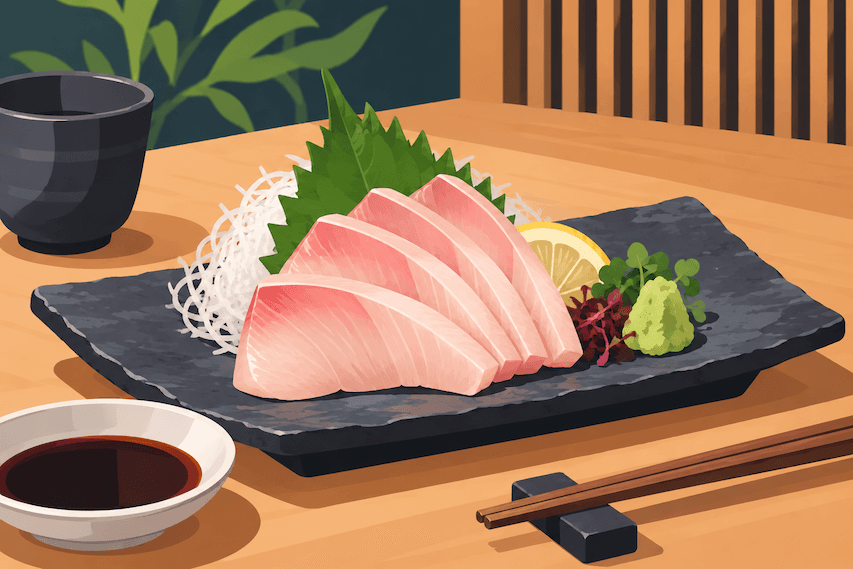
Premium fish looks vivid and translucent, not dull or opaque. Tuna should show a clean, saturated red or pink depending on the cut, never brown or gray at the edges. Salmon carries a bright orange hue with defined white fat lines.
A natural sheen signals freshness. The surface should glisten slightly, reflecting light rather than sitting flat and matte. Discoloration or a chalky film points to fish past its prime.
Be cautious of tuna that looks too uniformly red. Some suppliers are reported to treat tuna with carbon monoxide to help preserve color, which can mask age. Naturally fresh tuna tends to vary subtly across the cut.
Texture and Structure
Fresh flesh looks firm and holds its shape. The muscle lines should appear tight and clean, without gaps or separation between them. When fish begins to break down, those lines loosen and the flesh looks frayed.
Avoid anything that appears slimy or leaking excess liquid. A small amount of moisture is normal, but pooling liquid signals cellular breakdown from age or bad freezing.
The techniques behind clean cuts and precise handling define serious sushi kitchens, an approach explored in the art of Edomae craft. Great fish deserves knife work that honors its structure.
The Smell Test
Fresh fish smells like the ocean, clean and briny with a hint of sweetness. It should never smell fishy, sour, or ammonia-like. A strong, off-putting odor is the clearest sign fish has turned.
The ammonia note is especially telling. It develops as bacteria break down compounds in the flesh, and it grows stronger over time. Any hint of it means the fish should not be eaten raw.
In a restaurant, you rarely smell the fish before it reaches your plate. Trust the kitchen’s reputation instead. A room that takes freshness seriously builds that trust through consistency, something regulars notice across visits.
Touch and Firmness
Firmness reveals more than almost any other trait. Press fresh fish gently and it springs back, holding no dent. When the flesh stays indented, the proteins have started to degrade.
The surface should feel moist but not sticky or tacky. Stickiness indicates surface bacteria multiplying, a clear warning sign. Clean, cool, slightly wet flesh is the target.
Chefs handling raw fish evaluate firmness constantly, adjusting cuts and portions based on how the muscle responds. This tactile knowledge cannot be faked, and it separates trained hands from careless ones.
Species-Specific Signs
Different fish carry different markers of quality. Knowing what to expect from each species sharpens your judgment considerably.
Tuna
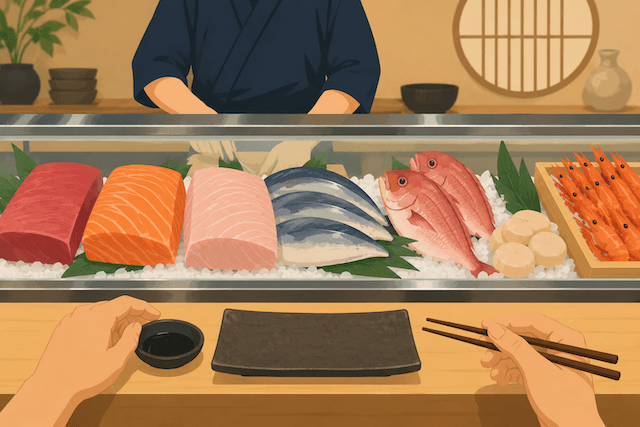
Look for deep, consistent color and a smooth, almost buttery surface on fatty cuts. The prized otoro and chutoro cuts show visible marbling of fat through the flesh. Bloodlines should be minimal and dark red, not brown.
Grade matters enormously with tuna. Bluefin commands premium prices for its fat content and flavor depth. Yellowfin and bigeye offer leaner, cleaner profiles that still deliver when handled well.
Salmon
Fresh salmon shows bright orange flesh with crisp white fat striations. The lines should be well-defined, not blurred or gray. Farmed salmon tends toward more uniform color while wild salmon varies more.
Salmon is typically frozen before being served raw. Reputable kitchens follow safe handling practices as a matter of course.
White Fish and Shellfish
Delicate white fish like snapper or fluke should look nearly translucent with a subtle shine. They lose freshness fast, so handling speed is critical. Any yellowing or dulling signals decline.
Shellfish demands even tighter standards. Scallops should smell sweet and look plump, never rubbery or dry. Uni, the sea urchin roe prized in premium sushi, must be firm and vivid orange, dissolving into richness rather than tasting bitter.
Sourcing and Supply Chains
The best fish comes from suppliers who control the cold chain from catch to kitchen. Temperature consistency is everything. Even brief exposure to warmth accelerates spoilage that no kitchen can reverse.
Reputable sushi restaurants build relationships with specialized purveyors, often importing directly from markets like Toyosu in Tokyo. These relationships guarantee grade, traceability, and handling that meet exacting standards.
The care behind sourcing shows up on the plate. It is part of why a serious sushi speakeasy commands attention, a subject examined in why the sushi speakeasy format is trending across Miami Beach. Quality fish is the foundation the entire experience rests on.
Sustainability and Seasonality
Top kitchens track seasonality alongside quality. Certain fish peak at specific times of year, offering better fat content and flavor. Chefs who follow these rhythms serve fish at its natural best.
Sustainability increasingly shapes sourcing too. Responsible purveyors prioritize species and fishing methods that protect long-term stocks. This ethic aligns with quality, since well-managed fisheries tend to produce healthier fish.
How Restaurants Preserve Quality
Getting great fish is only half the challenge. Keeping it great requires disciplined storage and preparation. Fish is held at precise temperatures, cut only when needed, and portioned to minimize waste and exposure.
Rice temperature, wasabi freshness, and knife technique all affect how the fish presents. A warm, seasoned rice base against cool fish creates the contrast that defines great nigiri. Every element supports the star ingredient.
Understanding these standards also helps you order with confidence. First-time guests often benefit from guidance, and a simple guide to ordering makes navigating a premium menu far easier.
What to Look for When Dining Out
You cannot inspect a restaurant’s walk-in cooler, so use other signals. Reviews that mention freshness consistently are a strong indicator. Verified feedback about clean flavor and quality fish reflects real kitchen standards.
Watch how the fish looks and tastes on arrival. Great nigiri has vibrant color, clean cuts, and a texture that yields cleanly rather than falling apart. Off flavors or mushy texture reveal problems immediately.
The distinction between nigiri and sashimi also affects how you experience the fish, a topic worth understanding before you order, covered in nigiri versus sashimi explained. Both showcase fish quality but in different ways.
Why Quality Fish Matters Beyond Flavor
Premium sushi-grade fish delivers more than taste. Properly handled raw fish carries nutritional value, from lean protein to omega-3 fatty acids that support heart and brain health.
The benefits of well-prepared raw fish extend across a balanced diet, as detailed in the health advantages of eating sushi. Quality and nutrition go hand in hand, since fresh fish retains its beneficial compounds better than fish in decline.
Safety is the other dimension. Proper sourcing, freezing, and handling protect against parasites and bacteria. When you eat at a kitchen that takes these standards seriously, you get flavor and peace of mind together.
Putting Knowledge Into Practice
The next time you sit down for sushi, apply what you now know. Notice the color, the sheen, the firmness of each cut. Taste for that clean, oceanic freshness that only quality fish delivers.
These standards guide every plate at Tokyo Sushi Speakeasy, where Edomae precision meets South Beach energy. From clean-cut nigiri to signature rolls, the fish sets the tone for the entire night.
Ready to taste the difference quality makes? Reserve a table and experience sushi built on standards that hold up to expert scrutiny.
Frequently Asked Questions
Is sushi-grade fish an official certification?
Generally, no. “Sushi-grade” is widely understood to be an unregulated marketing term rather than an official certification. It signals a supplier’s confidence that the fish was handled properly for raw consumption, but the real guarantee comes from a trusted source and skilled kitchen.
Does sushi-grade fish need to be frozen?
Often, yes. FDA guidance generally recommends freezing many species at low temperatures for a set period to reduce the risk of parasites before serving them raw. Salmon is typically frozen, while certain tuna species are often treated as exceptions because parasites are considered less common in them.
How can I tell if raw fish has gone bad?
Trust your senses. Fresh fish smells clean and briny, looks vivid and translucent, and springs back when pressed. Any ammonia or sour smell, dull or gray color, sticky surface, or mushy texture means the fish has passed its prime and should not be eaten raw.
Why does some tuna look unnaturally bright red?
Some suppliers are reported to treat tuna with carbon monoxide to help preserve a vivid red color, which can mask age. Naturally fresh tuna tends to vary subtly across the cut and shows minimal dark bloodlines. Consistent, artificial-looking color can be a reason for caution.
What makes restaurant sushi fresher than store-bought?
Quality sushi restaurants build relationships with specialized purveyors and control the cold chain from catch to plate. They cut fish only when needed and hold it at precise temperatures. This level of handling is difficult to match with pre-packaged retail fish.
Is farmed or wild fish better for sushi?
Neither is automatically superior. Farmed salmon offers consistent color and fat content, while wild fish varies more in flavor and appearance. What matters most is handling, sourcing, and freshness rather than the origin alone.