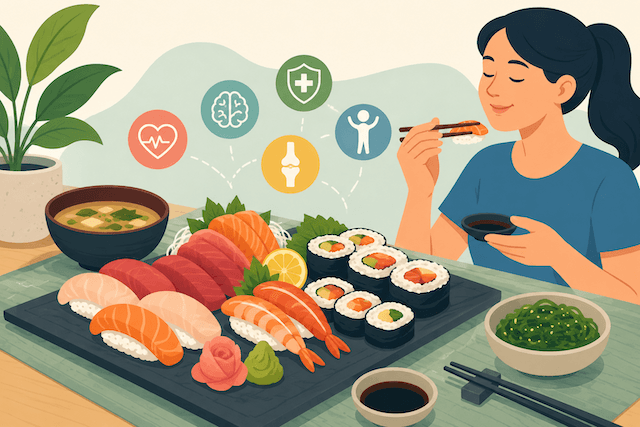
Sushi has earned its reputation as one of the most craveable dining experiences in the world. But beyond the flavors, the presentation, and the atmosphere of a great sushi restaurant, there is a quieter story worth telling. Japanese cuisine, and sushi in particular, happens to be one of the healthiest ways to eat out.
That is not a marketing claim. It is the result of centuries of culinary tradition built around fresh ingredients, minimal processing, and balanced nutrition. Whether you are sitting down to a plate of sashimi, working through an omakase course, or sharing signature rolls with friends, you are eating food that genuinely nourishes your body.
If you have ever wondered what makes sushi so good for you, the answer goes deeper than “fish is healthy.” Here is a closer look at the real health benefits behind one of Miami Beach’s favorite dining traditions.
Omega-3 Fatty Acids: The Heart of the Matter
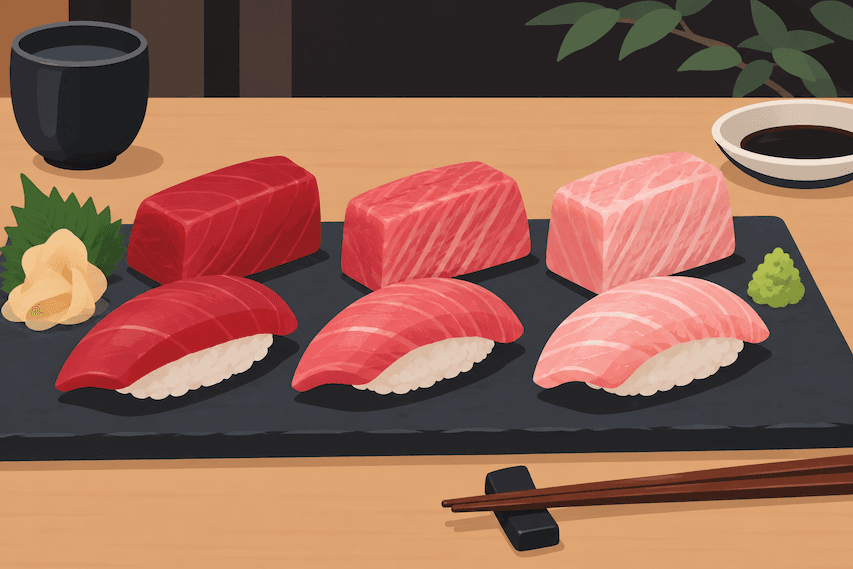
The most well-known health benefit of sushi comes from the fish itself. Fatty fish like salmon, tuna, and yellowtail are loaded with omega-3 fatty acids, which play a critical role in heart health, brain function, and reducing inflammation throughout the body.
Most people do not get enough omega-3s from their regular diet. Eating sushi gives you a direct, enjoyable way to fix that. A few pieces of salmon nigiri or a serving of hamachi sashimi deliver a meaningful dose of these essential fats without requiring you to cook anything or take a supplement.
The benefits are not abstract. Regular omega-3 intake has been linked to lower risk of heart disease, improved cholesterol levels, better joint mobility, and even sharper cognitive function. For anyone looking for a meal that tastes indulgent while quietly doing something good for your body, sushi fits the bill.
High-Quality Protein Without the Heavy
Sushi is an excellent source of lean protein. Fish provides all the essential amino acids your body needs, and it does so without the saturated fat content found in red meat or processed protein sources.
Nigiri, sashimi, and hand rolls all deliver clean, high-quality protein in portions that feel satisfying without leaving you weighed down. This is one reason sushi works so well as both a light lunch and a late-night meal. You get the fuel your body needs without the sluggishness that follows a heavier dish.
For people who are active, health-conscious, or simply looking for a better way to eat out, this balance of protein and lightness is hard to beat. It is also one reason omakase dining has become so popular. The art of omakase is built around pacing, portion control, and letting the chef guide you through a meal that feels complete without going overboard.
The Power of Fermented and Pickled Ingredients
Japanese cuisine relies heavily on fermented and pickled ingredients, and your gut health benefits as a result. Miso, soy sauce, pickled ginger, and fermented rice vinegar all contain probiotics and beneficial compounds that support digestion and a healthy microbiome.
Miso soup, a staple at most sushi restaurants, is one of the easiest ways to introduce fermented foods into your diet. The miso paste itself is rich in probiotics, and when served warm with tofu and seaweed, it becomes a light, comforting starter that sets the tone for the meal ahead. At Tokyo Sushi Speakeasy, the miso soup is made traditional-style with wakame, tofu, and scallions, keeping the preparation simple and effective.
Pickled ginger, often served alongside sushi, does more than cleanse the palate. It contains gingerol, a compound with anti-inflammatory and digestive properties. While most people treat it as a garnish, it is actually doing real work for your digestive system between bites.
Seaweed: The Overlooked Superfood
Nori, the seaweed wrapper around maki rolls, is one of the most nutrient-dense foods on the planet. It is packed with iodine, which supports thyroid function. It contains vitamins A, C, and E. It is rich in minerals like calcium and magnesium. And it delivers all of this with virtually no calories.
Most people never think about the seaweed in their sushi, but it is quietly contributing significant nutritional value to every roll. Wakame, another type of seaweed commonly served in miso salads and as a garnish, offers similar benefits with a slightly different nutrient profile.
When you eat sushi regularly, you are getting a consistent supply of these marine nutrients without having to seek out supplements or specialty health foods. The nutrition is built into the meal itself.
Rice: More Than a Vehicle for Fish
Sushi rice often gets overlooked as “just the base,” but it plays an important role in the nutritional profile of the meal. Short-grain Japanese rice is a source of complex carbohydrates, which provide sustained energy without the blood sugar spikes associated with refined grains.
The rice in sushi is seasoned with rice vinegar, which has its own set of health benefits. Rice vinegar has been shown to support blood sugar regulation, improve digestion, and provide antioxidant properties. It is a small addition that quietly enhances the nutritional value of every piece.
For anyone watching their carbohydrate intake, it is worth noting that sushi portions are intentionally small. A typical piece of nigiri contains roughly 70 to 100 calories, making it easy to enjoy a full meal without overloading on any single macronutrient.
Wasabi and Ginger: Natural Anti-Inflammatories
Wasabi and ginger are not just flavor accents. Both are functional ingredients with well-documented health benefits.
Wasabi contains isothiocyanates, compounds that have been studied for their anti-inflammatory, antibacterial, and even anti-cancer properties. While the amount on a single piece of sushi is small, regular consumption adds up, and the cumulative effect is meaningful.
Ginger, whether fresh or pickled, is one of the most well-researched natural anti-inflammatories. It supports digestion, reduces nausea, and has been shown to help with muscle soreness and recovery. Eating ginger between pieces of sushi is not just tradition. It is a smart nutritional habit.
Low in Processed Ingredients
One of the biggest advantages of sushi over many other types of dining out is what it does not contain. A well-made sushi meal is naturally low in processed ingredients, artificial additives, and excessive sodium compared to most restaurant food.
The core components, fresh fish, rice, seaweed, and vegetables, are whole foods. There are no hidden sauces loaded with sugar, no deep-fried coatings, and no preservatives. Even the seasonings, soy sauce, ponzu, and rice vinegar, are simple, traditional preparations.
This is not to say that all sushi is equally healthy. Tempura rolls, cream cheese-heavy rolls, and dishes drenched in spicy mayo do add calories and processed fats. But the beauty of sushi is that you can choose how clean or indulgent you want your meal to be. A progression through sashimi and nigiri before moving to signature rolls lets you enjoy the best of both worlds.
Mental Health and Mindful Eating
There is a psychological dimension to sushi dining that is worth mentioning. Japanese food culture emphasizes mindfulness, presentation, and intentionality. When you eat sushi, you are naturally encouraged to slow down, pay attention to flavors, and appreciate the craft behind each piece.
This kind of mindful eating has real benefits. Studies have shown that eating slowly and with attention reduces overeating, improves digestion, and increases satisfaction with smaller portions. The structure of a sushi meal, small pieces, sequential courses, and carefully balanced flavors, naturally supports this approach.
It is one reason omakase dining feels so different from ordering off a standard menu. When the chef controls the pacing, you are free to focus entirely on the experience. The result is a meal that nourishes your body and your mind.
Sushi and Longevity: The Okinawan Connection
Japan has some of the longest life expectancies in the world, and researchers have long studied the Japanese diet as a contributing factor. While the full picture is complex, the core principles align closely with what you find in a sushi restaurant: fresh fish, fermented foods, vegetables, minimal processing, and moderate portions.
The Japanese concept of “hara hachi bu,” eating until you are 80 percent full, is built into the structure of sushi dining. Small pieces, shared plates, and a natural stopping point built into the meal all support this philosophy of eating just enough.
You do not need to move to Okinawa to benefit from these principles. You just need to eat more meals built around the same foundational ideas. Sushi is one of the most accessible ways to do that.
Making Health-Conscious Choices at the Sushi Bar
Understanding the health benefits of sushi is one thing. Putting that knowledge into practice is another. Here are a few practical tips for maximizing nutrition without sacrificing flavor.
Start with sashimi or nigiri before moving to rolls. These preparations give you the purest access to the nutritional benefits of fresh fish without added rice, sauces, or fillings.
Choose rolls with vegetables and lean proteins. Rolls featuring avocado, cucumber, asparagus, or fresh tuna deliver excellent nutrition alongside great flavor. The South Beach Roll, with salmon, shrimp, and avocado, is a solid example of a roll that balances indulgence with nutritional value.
Limit tempura and cream cheese-heavy options if nutrition is a priority. These are delicious, but they shift the balance of the meal toward higher calories and processed fats.
Pair your meal with sake or a light cocktail rather than sugary mixers. Lighter sake styles complement the clean flavors of sushi without adding unnecessary sugar. If you need help choosing, a guide to sake can walk you through the options.
Take your time. Sushi is meant to be eaten slowly. Enjoy the progression of flavors, savor each piece, and let the meal unfold naturally. Your body will thank you for it.
The Bottom Line
Sushi is not just a great dining experience. It is a genuinely healthy way to eat. The combination of omega-3 rich fish, lean protein, fermented ingredients, nutrient-dense seaweed, and mindful eating practices makes Japanese cuisine one of the most nutritionally balanced culinary traditions in the world.
Whether you are a regular at the sushi bar or planning your first visit, knowing that your meal is doing real good for your body adds another layer of satisfaction to an already exceptional experience. The next time you sit down for dinner, you can enjoy every bite knowing that great taste and real health benefits are not mutually exclusive. They are the same thing.
Ready to eat well? Reserve a table at Tokyo Sushi Speakeasy and experience the health benefits of Japanese cuisine firsthand.