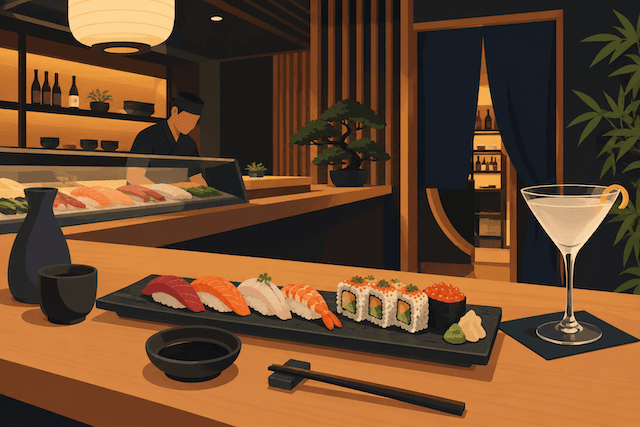
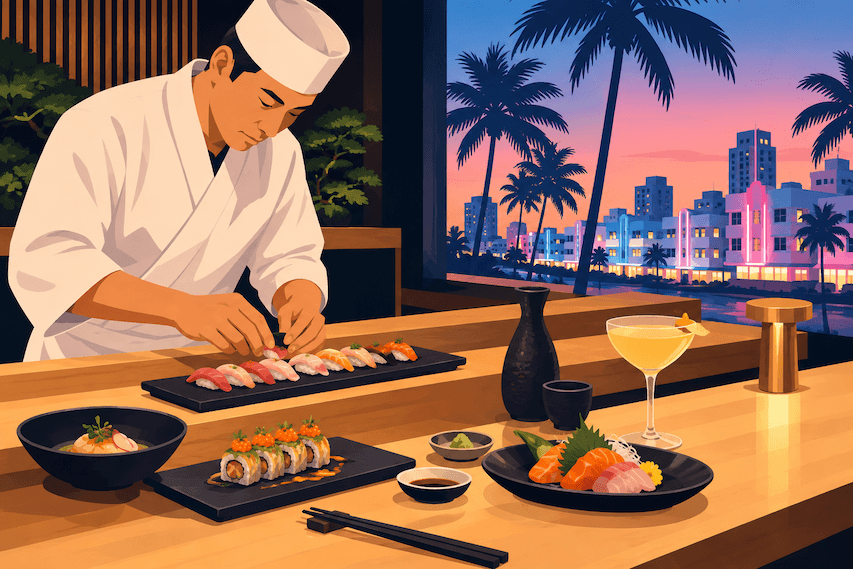
If you are searching for omakase in Miami, you are looking for more than a plate of sushi. Omakase is a Japanese dining style where the chef guides the meal, choosing dishes and pacing the experience based on the ingredients, preparation, and progression of the meal.
Miami offers several ways to experience this style of dining, from traditional chef-led sushi counters to modern restaurants that combine an omakase-style approach with signature rolls, sashimi, cocktails, and a lively South Beach atmosphere.
For diners who want to understand what they are actually booking, knowing the difference between traditional omakase and an omakase-style dinner is a good place to start.
What Is Omakase?
Omakase is a Japanese dining style where the guest leaves much of the food selection to the chef. Instead of choosing every dish individually, diners trust the chef to decide what to serve and how the meal should progress.
A traditional omakase may include several courses of sushi, sashimi, appetizers, seasonal preparations, and other chef-selected dishes.
The central idea is simple: you trust the chef to guide the meal.
How Does an Omakase Meal Work?
An omakase meal usually progresses from lighter preparations to richer or more complex flavors.
A typical progression may include:
Small appetizers or seasonal dishes
Sashimi
Lighter nigiri
Richer fish and specialty preparations
Specialty sushi or hand rolls
A final dish or dessert
The exact progression depends on the restaurant, chef, ingredients, and dining format.
What Is Omakase-Style Dining in Miami?
Omakase-style dining gives guests some of the chef guidance associated with traditional omakase while allowing more flexibility.
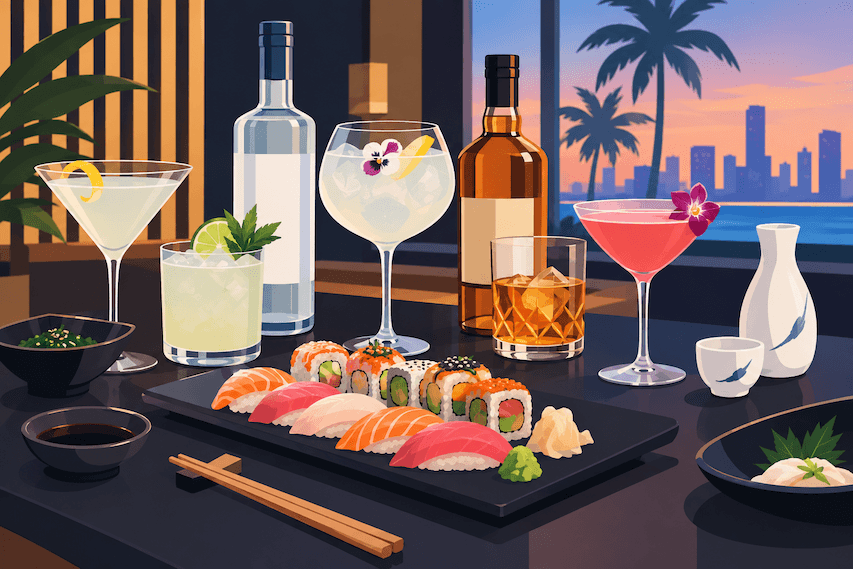
This can be particularly appealing in Miami, where restaurants often combine Japanese cuisine with cocktails, nightlife, and a more social dining environment.
Tokyo Sushi Speakeasy describes its menu as an omakase-style dinner experience, while also offering nigiri, sashimi, signature rolls, hand rolls, small plates, cocktails, and sake.
If you are still learning about the wider local sushi scene, this complete guide to sushi in Miami provides additional context on the different sushi styles and dining experiences found around the city.
What Is the Difference Between Omakase and À La Carte Sushi?
The main difference is who controls the meal. With à la carte sushi, you choose individual dishes yourself. With omakase, the chef takes a much larger role in deciding what you eat and how the meal progresses.
Omakase
Food selection is primarily chef-directed.
The meal usually follows a structured progression.
You have less control over individual dishes.
It is suited to diners who enjoy discovering new flavors.
The chef’s technique and ingredient selection are central to the experience.
À La Carte Sushi
You choose individual dishes yourself.
You control the order and pace of the meal.
You can focus on your favorite fish or rolls.
It offers greater flexibility with budget and preferences.
It works well for diners who already know what they want.
Neither format requires extensive sushi knowledge. The main question is how much control you want over the meal.
What Should You Expect From Omakase in Miami?
An omakase experience in Miami can combine Japanese culinary traditions with the city’s broader dining culture.
You can generally expect:
Carefully prepared sushi and seafood
Different textures and flavor profiles throughout the meal
Chef-selected or chef-guided dishes
A progression of flavors rather than one large order
Attention to presentation
Sake or cocktail options
An atmosphere that varies from traditional and quiet to modern and social
The setting can make a major difference.
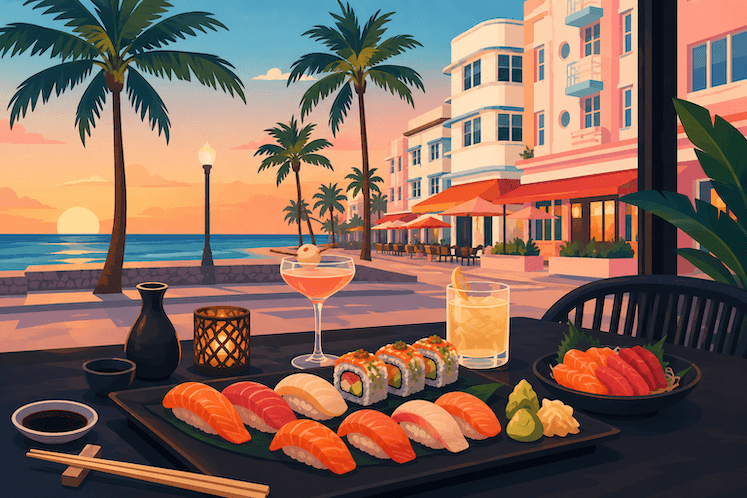
A traditional sushi counter may focus almost entirely on the chef and food, while an omakase-style restaurant in South Beach may incorporate cocktails, music, mood lighting, and nightlife into the experience.
Is Omakase Always Served at a Sushi Counter?
No. Omakase is not limited to a sushi counter.
While the counter is strongly associated with traditional chef-led sushi, restaurants can offer chef-guided dining at tables, in private rooms, or as part of a broader menu.
That means you should check the restaurant’s actual dining format before assuming that every place advertising omakase offers the same experience.
How Do You Choose an Omakase Restaurant in Miami?
The right restaurant depends on the type of experience you want, not simply whether the word “omakase” appears on the menu.
Before booking, consider the following.
Check What “Omakase” Actually Means
Ask whether the restaurant offers a fully chef-directed tasting menu or an omakase-style experience with additional menu choices.
A traditional tasting may have a predetermined number of courses, while an omakase-style restaurant may allow guests to order individual dishes while still providing a chef-guided experience.
Look at the Sushi Menu
The menu can tell you a lot about the restaurant’s approach.
Tokyo Sushi Speakeasy offers:
Nigiri
Sashimi
Signature rolls
Classic rolls
Hand rolls
Small plates
Chef specials
Cocktails
Sake
Desserts
That broader selection gives diners more flexibility than a strictly fixed tasting menu.
Consider the Atmosphere
A quiet sushi counter and a South Beach speakeasy create very different evenings.
If you want to focus almost entirely on the chef and sushi, a traditional counter may be more appropriate.
If you want sushi alongside cocktails, conversation, music, and nightlife energy, an omakase-style restaurant may provide a better match for that type of evening.
Tokyo Sushi Speakeasy is located at 1000 Collins Ave in Miami Beach, placing the restaurant in the South Beach dining and nightlife environment.
For another perspective on the area, you can also explore this guide to sushi near Ocean Drive and how location can shape your Miami Beach dining plans.
What Sushi Should You Try During an Omakase-Style Meal?
Start with dishes that allow you to appreciate the fish and rice before moving toward richer specialty preparations.
Nigiri is particularly useful because it keeps the combination relatively focused: rice, fish, seasoning, and technique.
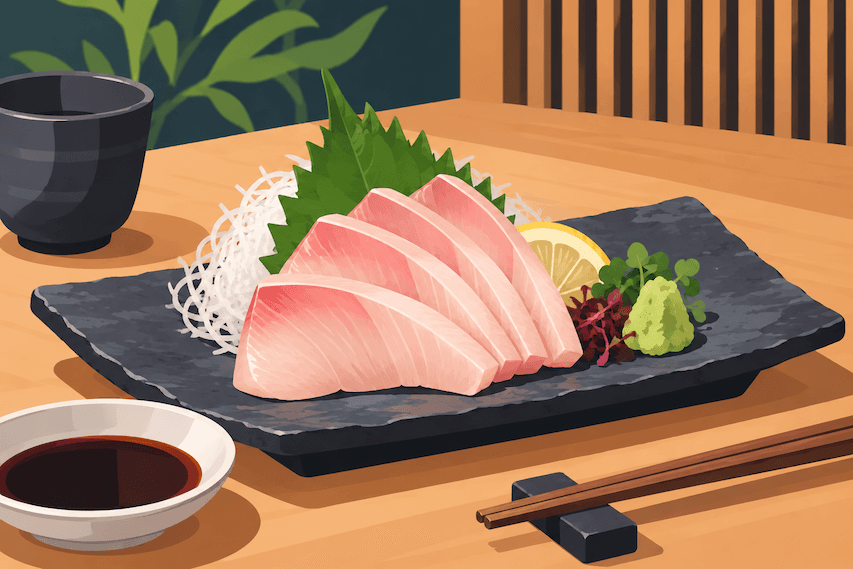
Sashimi removes the rice and lets the seafood itself take center stage.
A simple progression could be:
Start with a small plate or appetizer.
Try a few sashimi selections.
Move into nigiri.
Add a specialty roll if you want something more elaborate.
Finish with dessert or a final drink.
Should You Order Nigiri or Sashimi First?
Nigiri is a good choice when you want to experience the relationship between seasoned sushi rice and the fish.
Sashimi is better when you want the seafood itself to be the focus.
You do not necessarily have to choose one. Ordering both can give you a better sense of how different preparations affect the same type of seafood.
What About Signature Rolls?
Signature rolls are generally more elaborate than traditional nigiri or sashimi. They can combine multiple ingredients, sauces, toppings, textures, and cooking techniques.
They are especially common in contemporary Miami sushi restaurants.
Tokyo Sushi Speakeasy’s menu includes creative options such as:
Tokyo Gold Roll — shrimp tempura, eel, avocado, tuna, ikura, spicy mayo, eel sauce, and 24K gold leaf.
Wagyu Truffle Roll — beef tartare, wagyu, truffle mayo, and crispy garlic.
South Beach Roll — salmon, shrimp, avocado, crispy crab, and caviar.
Because menus can change, check the restaurant’s current menu before visiting if you have a specific dish in mind.
What Should You Drink With Omakase?
Sake is a natural choice for sushi, but it is not the only option.
Your choice depends on the food, your personal taste, and the kind of evening you want.
Common options include:
Junmai
Ginjo
Daiginjo
Nigori
Light cocktails
Citrus-forward cocktails
Nonalcoholic beverages
If you are unfamiliar with sake, this guide to Junmai, Ginjo, Daiginjo, and Nigori can help you understand the differences before ordering.
Can You Drink Cocktails During Omakase?
Yes. Omakase does not require you to drink sake.
Cocktails can work particularly well in a modern Miami setting where dinner may continue into nightlife.
The main consideration is balance. Very sweet, strong, or heavily smoky drinks can overpower delicate sushi, while citrus-forward or lighter cocktails can complement seafood more easily.
For more ideas, check out this guide to sushi and cocktails in South Beach.
Is Omakase Good for a Date Night?
Omakase-style dining can work well for a date because the meal creates a shared experience.
Instead of spending the entire dinner deciding what to order, couples can explore different dishes as the meal progresses. It also gives both people something to discuss and discover together.
The atmosphere matters just as much as the food. A restaurant with dim lighting, cocktails, and a more intimate setting creates a different date-night experience from a traditional daytime sushi counter.
If you’re planning a romantic evening, this Miami date-night guide offers additional ideas for planning a dinner at Tokyo Sushi Speakeasy.
Is Omakase Expensive in Miami?
The cost of omakase in Miami varies depending on the restaurant, ingredients, number of courses, and whether drinks are included.
A fixed chef’s tasting can cost more than ordering sushi à la carte, particularly when premium seafood is involved.
An omakase-style restaurant with an à la carte menu can give diners more control over their spending.
You can build your meal around:
A few pieces of nigiri
A sashimi selection
One signature roll
Small plates
Sake or cocktails
Prices can change, so checking the current menu before visiting is the most reliable way to plan your budget.
What Should First-Time Omakase Diners Know?
You do not need to be a sushi expert to enjoy omakase.
The easiest approach is to stay curious, ask questions, and tell the restaurant about any dietary restrictions before ordering.
Keep these tips in mind:
Tell the server about allergies or dietary restrictions.
Ask questions about unfamiliar ingredients.
Try lighter preparations before richer dishes.
Avoid filling up on rolls immediately.
Ask what the restaurant recommends.
Let the meal progress instead of ordering everything at once.
Check the current menu and reservation details before visiting.
For first-time diners, starting with a combination of sashimi and nigiri is often an easy way to explore the menu before moving into more elaborate rolls.
Omakase vs. Omakase-Style: Which Experience Are You Looking For?
The terms sound similar, but they can describe different dining formats.
Traditional Omakase
Chef-directed dining experience
Chef determines much of the meal
Structured progression of dishes
Greater emphasis on the chef’s selections
Often more formal and focused
Omakase-Style Dining
Incorporates elements of chef-guided dining
May include an à la carte menu
Gives diners more control over individual dishes
Can combine traditional sushi with specialty rolls
Often works well for social or nightlife-focused dining
How Should You Choose?
Want a chef-directed tasting? Look for traditional omakase.
Want more control over your order? Consider omakase-style dining.
Want a quiet sushi-focused meal? Look for a traditional sushi counter.
Want sushi and cocktails? Consider a modern omakase-style restaurant.
Want a social dinner? A flexible sushi menu may be more suitable.
Want dinner followed by nightlife? A South Beach setting can make the experience part of a longer evening.
Why Try Omakase in South Beach?
South Beach gives omakase-style dining a setting that is different from a traditional Japanese sushi counter.
The area combines restaurants, cocktails, nightlife, and late-evening dining. That makes it possible to turn a sushi dinner into part of a larger night out.
Tokyo Sushi Speakeasy describes itself as a modern Japanese speakeasy, combining sushi, cocktails, small plates, and a late-night atmosphere at its Collins Avenue location.
Frequently Asked Questions
What Does Omakase Mean in Sushi?
Omakase means leaving the food selection largely to the chef. The chef chooses dishes and typically controls the progression of the meal based on the restaurant’s style and available ingredients.
Is Omakase the Same as a Sushi Tasting Menu?
Not necessarily. Omakase is a chef-directed approach, while a tasting menu is a structured multi-course format. A restaurant can offer omakase as a tasting menu, but the terms do not always describe exactly the same experience.
Is Omakase Available in Miami?
Yes. Miami has restaurants offering chef-led sushi experiences as well as restaurants using an omakase-style format. The exact experience depends on the restaurant’s menu and dining structure.
How Much Does Omakase Cost in Miami?
Prices vary considerably depending on the restaurant, ingredients, number of courses, and drinks. Omakase-style restaurants with à la carte options can provide more control over how much you spend.
Do You Have to Like Raw Fish to Enjoy Omakase?
No. Japanese menus can include cooked seafood, vegetables, grilled dishes, small plates, and other preparations. Available alternatives depend on the restaurant, so dietary preferences should be discussed before ordering.
Is Omakase Good for a First Date?
Omakase-style dining can be a good first-date option because the meal creates a shared experience and gives both diners opportunities to discover different dishes together.
Should I Drink Sake With Omakase?
Sake is a traditional pairing for sushi, but it is not required. Cocktails, beer, and nonalcoholic drinks can also work depending on your preferences and the restaurant.
Does Tokyo Sushi Speakeasy Offer Omakase?
Tokyo Sushi Speakeasy offers an omakase-style dinner experience alongside nigiri, sashimi, signature rolls, hand rolls, small plates, cocktails, sake, and other menu options.
Conclusion
Omakase in Miami can mean different things depending on the restaurant, so understanding the dining format is more useful than simply searching for the word “omakase.”
If you want a highly structured chef-directed tasting, look for a restaurant specifically built around traditional omakase. If you prefer more flexibility while still enjoying a chef-guided Japanese dining experience, an omakase-style restaurant may be a better fit.
For a South Beach evening that combines Japanese sushi, sashimi, creative rolls, sake, cocktails, and a late-night atmosphere, Tokyo Sushi Speakeasy offers an omakase-style approach in Miami Beach.
Before visiting, check the current menu, hours, and reservation availability so you can plan the type of sushi experience you actually want.