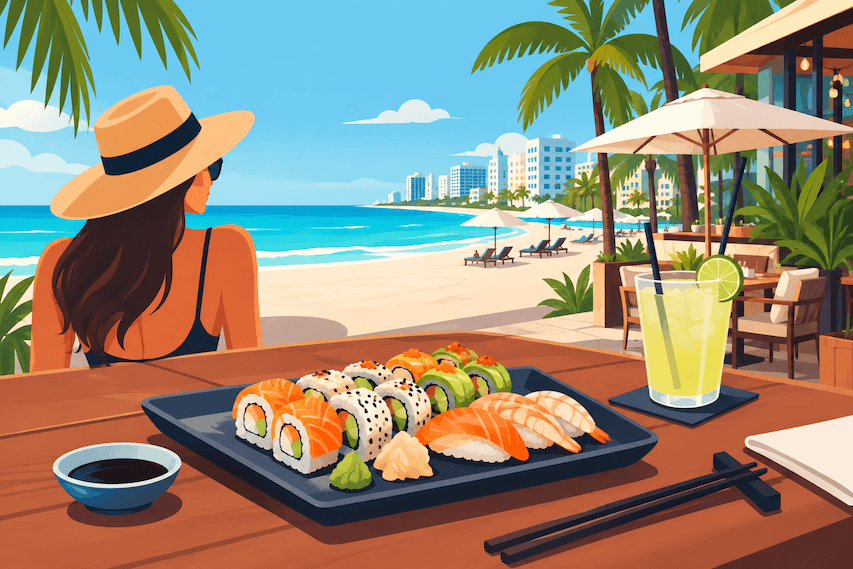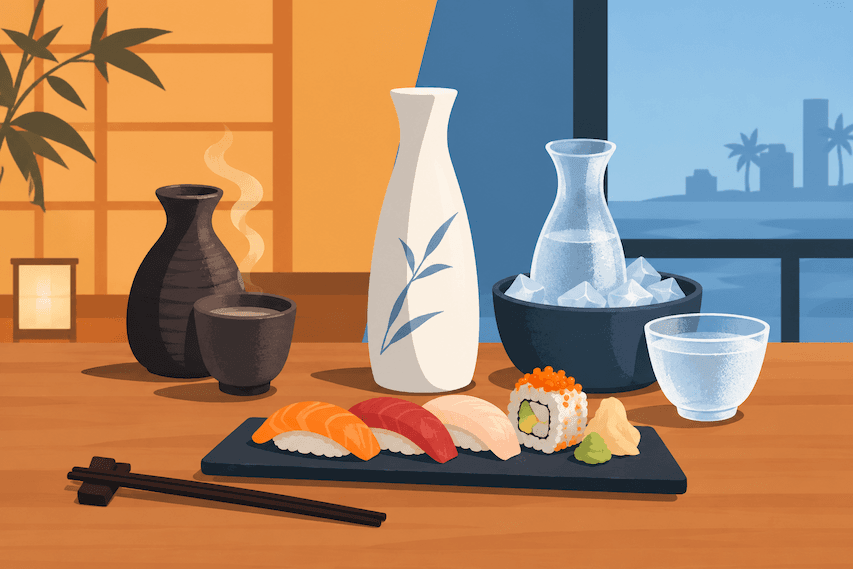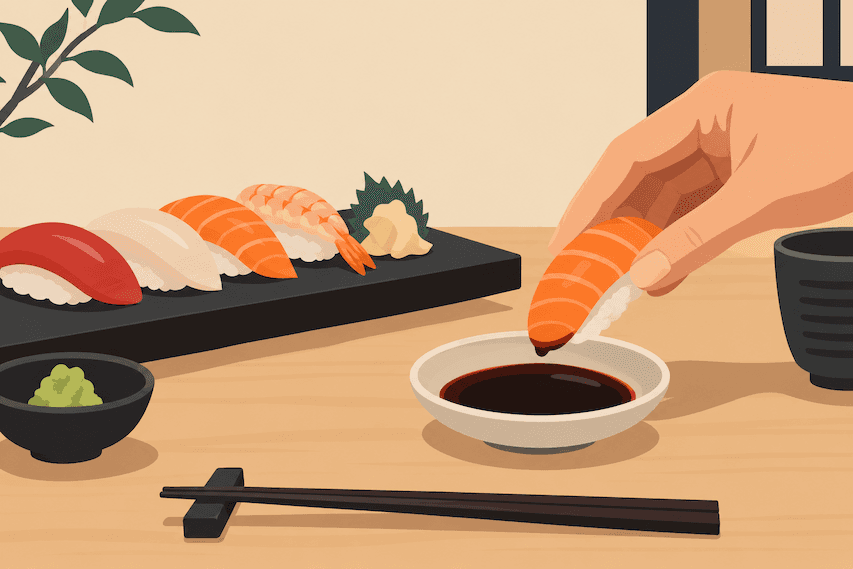
Miami’s dining culture has evolved into something far more dynamic than traditional restaurant categories. Japanese cuisine, in particular, has undergone a major transformation shaped by the city’s blend of luxury hospitality, nightlife energy, and design-driven experiences.
What was once defined by quiet sushi counters and formal omakase dining is now a broader, more expressive category. Today, the best Japanese restaurants in Miami combine culinary precision with atmosphere, storytelling, and social experience.
Nowhere is this shift more visible than in South Beach, where dining is rarely just about food—it is the beginning of the night.
The transformation of Japanese dining in Miami
Japanese cuisine in Miami has steadily moved beyond purely traditional formats. While authenticity remains essential, modern diners now expect something more immersive and emotionally engaging.
Restaurants have responded by blending sushi craftsmanship with cocktail culture, ambient lighting, curated music, and shareable menus. The result is a new dining identity that feels more like an experience than a meal.
This evolution is especially strong in South Beach, where restaurants are expected to align with nightlife culture and deliver a full evening experience rather than a simple dinner service.
Tokyo Sushi Speakeasy and the modern dining shift
Among the restaurants defining this shift is Tokyo Sushi Speakeasy, located at 1000 Collins Ave in Miami Beach. It represents a modern interpretation of Japanese dining that blends Edomae-inspired sushi technique with a moody, speakeasy-style atmosphere designed for late-night energy.
Rather than focusing purely on tradition or minimalism, the experience is built around immersion. Dim lighting, curated cocktails, and a social dining rhythm create a space where guests naturally stay longer and transition into the night.
What defines a modern Japanese restaurant in Miami
Modern Japanese dining in Miami is not defined by a single cooking style. Instead, it is shaped by a combination of culinary creativity, presentation, and experience design.
The first element is ingredient elevation. Many restaurants now incorporate premium items such as wagyu, truffle, caviar, and gold leaf to enhance traditional sushi structures.
The second is beverage integration. Cocktails are no longer an afterthought—they are designed alongside the menu, often featuring citrus, floral, and sake-based profiles that complement sushi flavors.
The third is atmosphere. Lighting, interior design, and music all contribute to shaping how guests experience the meal.
Together, these elements create a distinctly Miami approach to Japanese dining—luxury-driven, visually expressive, and socially oriented.
Signature dishes that define the experience
One of the clearest ways to understand modern Japanese dining is through its signature dishes. These items are not just menu highlights; they represent the identity of the restaurant.
At Tokyo Sushi Speakeasy, the menu is built around visually striking and flavor-balanced creations designed for sharing.
The Tokyo Gold Roll layers shrimp tempura, eel, tuna, and ikura, finished with 24K gold leaf for a dramatic presentation.
The Wagyu Truffle Roll combines rich wagyu slices with truffle mayo and crispy garlic, delivering depth and texture in every bite.
The South Beach Roll reflects the local environment, blending salmon, shrimp, avocado, and caviar into a dish that feels both coastal and luxurious.
These dishes help define what modern Japanese dining in Miami has become—expressive, indulgent, and experience-focused.
The importance of ambiance in modern dining
In traditional Japanese cuisine, the focus is often placed entirely on precision and restraint. In Miami’s modern dining culture, ambiance plays an equally important role.
Lighting, music, and spatial design influence how guests experience both flavor and pacing. A carefully designed environment encourages longer stays, more social interaction, and a more relaxed dining rhythm.
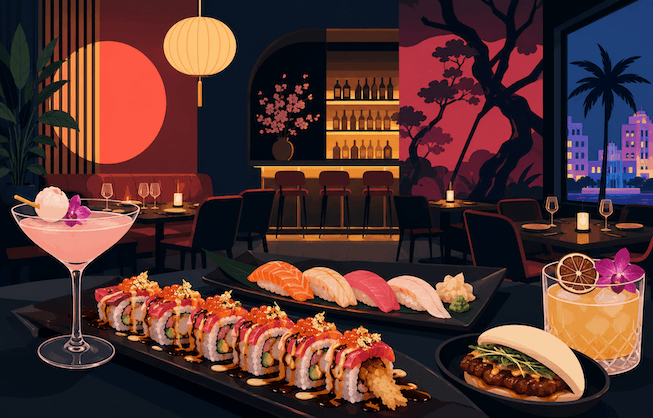
At Tokyo Sushi Speakeasy, the interior is intentionally moody and immersive, reflecting the speakeasy concept. This allows the restaurant to function not just as a dining venue, but as a social space.
The experience becomes even more tangible through its immersive visual atmosphere, which showcases how design and dining are tightly integrated.
Cocktails as part of the dining identity
One of the defining features of modern Japanese restaurants in Miami is the integration of cocktails into the dining structure.
Rather than being separate from the food experience, cocktails are designed to complement sushi flavors and enhance the overall progression of the meal.
Ingredients such as lychee, yuzu, citrus, and sake are commonly used to create balance between sweetness, acidity, and umami.
At Tokyo Sushi Speakeasy, drinks like the lychee martini are crafted with the same level of attention as the sushi menu itself. This creates a cohesive experience where food and drink feel intentionally connected.
South Beach as the center of modern Japanese dining
South Beach plays a major role in shaping Miami’s modern dining identity. The combination of tourism, nightlife, and luxury hospitality creates demand for restaurants that offer more than just food.
In this environment, Japanese restaurants are expected to deliver full experiences that align with the rhythm of the neighborhood. Dinner often becomes the first stage of a larger night out.
This is why restaurants like Tokyo Sushi Speakeasy thrive in this setting. Positioned directly in the heart of South Beach, its location reinforces its identity as part of the nightlife ecosystem.
Why modern Japanese restaurants are becoming more popular
The rise of modern Japanese dining in Miami reflects a broader shift in how people approach restaurants. Diners are no longer just looking for meals—they are looking for experiences.
This includes immersive environments, curated pacing, and menus designed for sharing and interaction.
Restaurants that succeed in this space understand that emotional impact matters just as much as technical execution.
Tokyo Sushi Speakeasy reflects this shift by blending fine dining techniques with a social, nightlife-driven atmosphere that works for date nights, celebrations, and group gatherings.
FAQ: Best Japanese Restaurants in Miami
What makes a Japanese restaurant modern in Miami?
Modern Japanese restaurants combine traditional sushi techniques with contemporary design, elevated ingredients, and cocktail-driven dining experiences.
Where can I experience modern sushi in South Beach?
South Beach offers several options, but Tokyo Sushi Speakeasy is widely recognized for blending sushi craftsmanship with nightlife-inspired ambiance.
Is Tokyo Sushi Speakeasy good for date nights?
Yes, it is designed for intimate dining experiences with low lighting, curated cocktails, and a relaxed pacing ideal for couples.
Are cocktails important in modern Japanese dining?
Yes, cocktails are a core part of the experience and are designed to complement sushi flavors rather than function as a separate offering.
What is a sushi speakeasy concept?
A sushi speakeasy blends Japanese cuisine with immersive design, nightlife energy, and curated drink programs to create a unique experiential dining format.
Conclusion
The best Japanese restaurants in Miami with a modern twist reflect a clear evolution in how people dine. Food is no longer the only focus—atmosphere, pacing, and experience design now define the value of a restaurant.
In South Beach, this evolution is most visible. Tokyo Sushi Speakeasy represents this shift by combining culinary precision with immersive ambiance and cocktail culture, positioning itself at the intersection of dining and nightlife.
As Miami continues to evolve, restaurants that embrace this experiential approach will define the future of Japanese cuisine in the city.