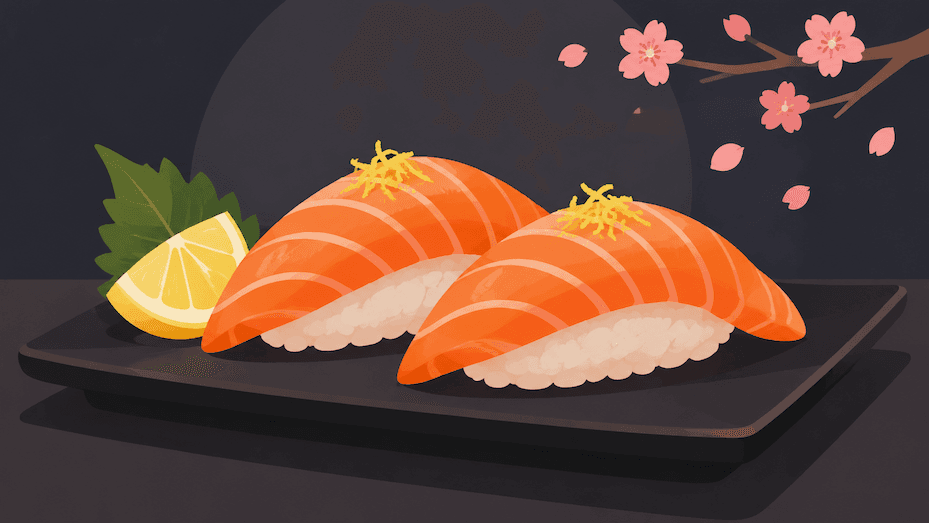
King salmon sushi is a simple yet flavorful Japanese dish that highlights the natural taste of salmon, the balance of seasoned sushi rice, and the refreshing aroma of citrus. At Tokyo Sushi Speakeasy in Miami Beach, the King Salmon Nigiri combines three ingredients: rice, salmon, and lemon zest. This straightforward preparation puts the focus on the fish while adding a bright citrus finish to each bite.
For sushi lovers exploring different types of nigiri, King Salmon offers an opportunity to appreciate how carefully selected ingredients and simple preparation can create a memorable dining experience. Whether you’re discovering salmon nigiri for the first time or looking for something different from traditional sushi rolls, this dish is worth exploring.
What Is King Salmon Sushi?
King salmon sushi is a Japanese-style sushi preparation featuring king salmon served with sushi rice. Also known as Chinook salmon, king salmon is a well-known salmon variety appreciated in culinary applications for its rich flavor and naturally high fat content.
Unlike elaborate sushi rolls that combine multiple fillings, sauces, and toppings, salmon nigiri keeps the ingredient combination relatively simple. The fish remains the main attraction, while the rice provides structure and the accompanying ingredients add balance.
At Tokyo Sushi Speakeasy, King Salmon Nigiri features:
Rice: Provides a lightly seasoned foundation for the fish.
Salmon: The main ingredient, bringing the characteristic flavor and texture of salmon.
Lemon zest: Adds a fragrant citrus element that complements the richness of the fish.
This combination demonstrates how a small number of ingredients can create a balanced sushi experience without relying on complicated toppings.
What Makes King Salmon Different from Other Salmon?
King salmon, commonly known as Chinook salmon, is one of the recognized Pacific salmon species. It is particularly appreciated in cooking for its rich taste and relatively high natural fat content.
Different salmon varieties can offer different culinary characteristics, making the choice of fish an important part of the overall sushi experience.
Here are some general distinctions:
Salmon Variety | Common Culinary Characteristics |
|---|---|
King Salmon | Rich flavor and naturally high fat content |
Atlantic Salmon | Mild flavor and tender texture |
Sockeye Salmon | More pronounced flavor and deeper-colored flesh |
Coho Salmon | Relatively delicate flavor and medium richness |
King salmon is especially appealing to diners who enjoy a fuller salmon flavor. Its natural richness also makes it suitable for simple preparations where the fish is allowed to take center stage.
Why Is King Salmon Popular in Sushi?
King salmon is popular in sushi because its flavor and texture work well with the simplicity of Japanese rice-based preparations.
Sushi is often about achieving balance rather than adding as many ingredients as possible. The relationship between the seafood, rice, seasoning, and accompanying flavors determines how each bite comes together.
Several characteristics make king salmon appealing for sushi.
1. Rich and Distinctive Flavor
King salmon is known for its naturally rich flavor. This makes it appealing to diners who prefer seafood with a more pronounced taste.
When served as nigiri, the salmon becomes the central element of the dish rather than one ingredient among several.
2. Naturally Tender Texture
The natural fat content of king salmon contributes to its characteristic texture. Depending on the cut and preparation, it can provide a tender, delicate eating experience.
This quality makes it an interesting option for diners who appreciate fish-forward sushi.
3. A Good Match for Sushi Rice
Sushi rice provides a balanced foundation for salmon. Its mild seasoning and slightly tangy character complement the fish without overpowering it.
The combination allows diners to appreciate both ingredients in a single bite.
4. Versatility in Japanese Cuisine
King salmon can be prepared in different ways, including grilled, seared, and sushi-style preparations. Its culinary versatility makes it a familiar choice across different Japanese-inspired menus.
For nigiri, a simpler presentation allows the flavor of the fish to remain the focus.
How Does Lemon Zest Enhance King Salmon Sushi?
Lemon zest is an important finishing ingredient in Tokyo Sushi Speakeasy’s King Salmon Nigiri.
While salmon is naturally rich, citrus introduces a contrasting aromatic quality that can make the overall flavor feel brighter.
Lemon zest is made from the outer yellow portion of the lemon peel. It contains aromatic citrus oils that provide fragrance without adding the same amount of acidity as lemon juice.
Here is why it works well with salmon:
Citrus aroma: Lemon zest introduces a fresh fragrance that complements the salmon.
Flavor contrast: Its bright citrus character contrasts with the fish’s natural richness.
Aromatic finish: The citrus aroma adds another dimension to the overall eating experience.
Ingredient simplicity: It enhances the fish without requiring heavy sauces or additional toppings.
The result is a combination where the salmon remains the main attraction while the lemon zest provides a subtle finishing touch.
What Is King Salmon Nigiri?
King salmon nigiri is a type of sushi made by pairing salmon with a small portion of hand-shaped sushi rice.
Nigiri is one of the most recognizable Japanese sushi styles because it emphasizes the relationship between the seafood and the rice.
Unlike traditional maki rolls, which are wrapped in nori and cut into individual pieces, nigiri is formed by shaping the rice and placing a piece of fish on top.
A typical nigiri experience focuses on three elements:
The seafood: The quality, cut, and preparation of the fish influence the overall experience.
The rice: Properly prepared sushi rice provides structure and balances the seafood.
The finishing touch: Small additions such as citrus, wasabi, or other seasonings can complement the main ingredients.
At Tokyo Sushi Speakeasy, King Salmon is presented with rice and lemon zest, offering a straightforward interpretation of salmon nigiri.
King Salmon Nigiri vs. Salmon Sashimi: What’s the Difference?
Although both dishes feature salmon, nigiri and sashimi are different Japanese seafood preparations.
The main distinction is the presence of sushi rice.
Feature | King Salmon Nigiri | Salmon Sashimi |
|---|---|---|
Main Ingredient | Salmon | Salmon |
Rice | Included | Not included |
Presentation | Fish served over shaped sushi rice | Sliced fish served without rice |
Eating Experience | Combines seafood and rice | Focuses on the flavor and texture of the fish |
Best For | Diners who enjoy traditional rice-based sushi | Diners who prefer seafood without rice |
If you enjoy the combination of fish and seasoned rice, nigiri is an excellent option to explore.
If you prefer experiencing salmon on its own, sashimi provides a more direct way to appreciate the fish.
Both are worth considering when exploring Japanese cuisine.
How to Enjoy King Salmon Sushi
Enjoying nigiri is relatively simple, but a few small considerations can help you appreciate the dish.
Eat Each Piece in One Bite When Comfortable
Nigiri is traditionally shaped as an individual serving. Eating the piece in one bite, when comfortable, allows the fish and rice to come together.
Appreciate the Ingredients Separately
Before eating, take a moment to notice the appearance and aroma of the salmon, rice, and lemon zest.
Each ingredient contributes something different to the overall preparation.
Avoid Overpowering the Fish
Heavy sauces and excessive condiments can distract from the natural character of the salmon.
A simple preparation is best enjoyed by allowing its primary ingredients to remain noticeable.
Pair It with Other Japanese Dishes
King Salmon Nigiri can be part of a larger sushi experience. Consider ordering different nigiri selections or exploring sashimi and signature rolls to compare flavors and textures.
This is particularly enjoyable when dining with friends or sharing several dishes around the table.
Where to Try King Salmon Nigiri in Miami Beach
For guests exploring Japanese sushi in Miami Beach, Tokyo Sushi Speakeasy offers King Salmon Nigiri as part of its dedicated nigiri selection.
Located at 1000 Collins Avenue in South Beach, the restaurant combines Japanese-inspired cuisine with a modern speakeasy atmosphere.
Its King Salmon Nigiri features three simple ingredients:
Rice
Salmon
Lemon zest
The restaurant’s nigiri menu also includes tuna, yellowtail, spicy tuna, unagi, and wagyu beef, providing several options for guests who want to explore different flavors.
Whether you’re planning a casual sushi dinner, a date night, or an evening out in South Beach, King Salmon Nigiri is a straightforward choice for guests who appreciate fish-forward Japanese dishes.
Restaurant Details
Information | Details |
|---|---|
Restaurant | Tokyo Sushi Speakeasy |
Address | 1000 Collins Ave, Miami Beach, FL 33139 |
Operating Days | Thursday–Sunday |
Hours | 5:00 PM–12:00 AM |
Phone | (786) 728-9318 |
Reservations | Available through OpenTable |
Explore the Tokyo Sushi Speakeasy menu to discover more nigiri, sashimi, signature rolls, and Japanese-inspired dishes.
Frequently Asked Questions About King Salmon Sushi
What is king salmon sushi?
King salmon sushi is a Japanese-style preparation featuring king salmon served with sushi rice. It is appreciated for the fish’s naturally rich flavor and distinctive texture.
Is king salmon good for sushi?
Yes. King salmon is used in sushi preparations because its rich flavor and natural fat content can complement sushi rice. However, fish intended for raw consumption must be properly sourced, handled, and prepared for that purpose.
What does king salmon sushi taste like?
King salmon sushi generally has a rich, savory seafood flavor with a tender texture. Its natural richness pairs well with lightly seasoned sushi rice and fresh citrus accents.
What is the purpose of lemon zest on salmon sushi?
Lemon zest adds a fragrant citrus aroma that contrasts with the richness of salmon. It provides a bright finishing note without adding as much acidity as lemon juice.
What is the difference between salmon nigiri and salmon sashimi?
Salmon nigiri consists of salmon served over a small portion of sushi rice, while salmon sashimi consists of sliced salmon served without rice.
Is king salmon the same as Chinook salmon?
Yes. King salmon and Chinook salmon are two common names for the same Pacific salmon species, scientifically known as Oncorhynchus tshawytscha.
Where can I order King Salmon Nigiri in Miami Beach?
You can find King Salmon Nigiri at Tokyo Sushi Speakeasy, located at 1000 Collins Avenue in Miami Beach, Florida. The restaurant offers a two-piece nigiri selection featuring rice, salmon, and lemon zest.
Experience Japanese Sushi at Tokyo Sushi Speakeasy
Sometimes, the most memorable sushi dishes are built around just a few carefully selected ingredients. King Salmon Nigiri brings together salmon, rice, and lemon zest to create a simple preparation that highlights the character of its main ingredient.
If you’re exploring sushi in South Beach, visit Tokyo Sushi Speakeasy and discover its selection of nigiri, sashimi, and signature Japanese-inspired dishes.
Ready to experience Tokyo Sushi Speakeasy? Explore the menu and reserve your table.