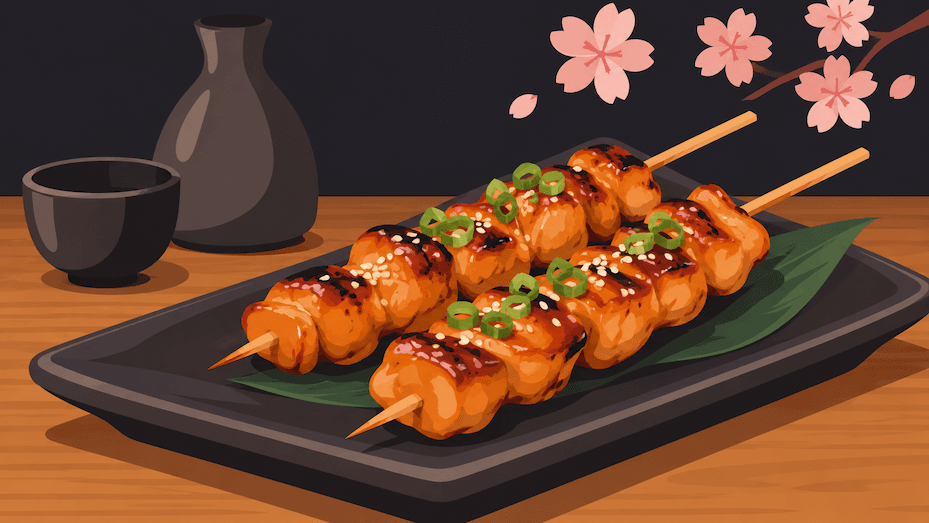
Chicken yakitori is a popular Japanese dish made with bite-sized pieces of chicken threaded onto skewers and grilled until tender and flavorful. Often finished with a savory-sweet glaze, this Japanese favorite combines smoky grilled flavors, juicy chicken, and simple garnishes to create a satisfying dish that works well as an appetizer or part of a shared meal.
At Tokyo Sushi Speakeasy in Miami Beach, Chicken Yakitori brings this classic Japanese-inspired dish to the table with grilled chicken glazed with teriyaki sauce and finished with fresh scallions and sesame seeds. Served as two skewers, it offers a delicious alternative for guests who want something warm, savory, and satisfying alongside their favorite Japanese dishes.
What Is Chicken Yakitori?
Chicken yakitori is a Japanese grilled chicken dish traditionally prepared by threading small pieces of chicken onto bamboo or metal skewers and cooking them over direct heat. The skewers are commonly seasoned with salt or brushed with a savory-sweet sauce known as tare.
The word yakitori combines two Japanese terms: yaki, meaning grilled or cooked over heat, and tori, meaning bird or chicken. Although the dish has many variations, chicken remains its most recognizable ingredient.
Yakitori is commonly enjoyed at Japanese restaurants, casual dining establishments, and traditional izakaya pubs. Its straightforward preparation allows the natural flavor of the chicken to stand out while seasonings and sauces add another layer of taste.
Unlike sushi and sashimi, which typically feature seafood, yakitori provides a cooked meat option for guests looking for variety in Japanese cuisine.
What Ingredients Are Used in Chicken Yakitori?
Chicken yakitori typically uses chicken, seasoning, and a flavorful glaze. The ingredients work together to create a balance of savory, slightly sweet, and smoky flavors.
Here are the main components of Tokyo Sushi Speakeasy’s Chicken Yakitori:
1. Grilled Chicken
Chicken is the foundation of yakitori. It is cut into manageable pieces and arranged on skewers to allow relatively even cooking.
The grilling process helps develop a lightly browned exterior while keeping the inside tender and juicy. Proper cooking is important because chicken needs to reach a safe internal temperature without becoming dry.
2. Teriyaki Glaze
Teriyaki glaze gives the dish its characteristic sweet and savory flavor. It adds moisture and a glossy finish while complementing the natural taste of grilled chicken.
Traditional yakitori often uses tare, a Japanese seasoning sauce that can include soy sauce, mirin, sake, and sugar. Although tare and teriyaki are not exactly the same, both offer the savory-sweet flavor profile that works well with grilled chicken.
3. Fresh Scallions
Scallions add a fresh, mildly sharp flavor that balances the richness of the glaze.
Their light crunch also provides a pleasant textural contrast to the tender chicken. The green garnish adds color and freshness to the finished skewers.
4. Sesame Seeds
Sesame seeds contribute a subtle nutty aroma and delicate crunch.
They complement the teriyaki glaze without overpowering the other ingredients, making them a simple but effective finishing touch.
How Is Traditional Japanese Yakitori Prepared?
Traditional yakitori is prepared by skewering seasoned chicken and grilling it over direct heat. The cook carefully controls the temperature and cooking time to develop a lightly charred exterior while keeping the meat properly cooked.
The preparation generally follows these steps:
Prepare the chicken: Cut the chicken into evenly sized pieces to encourage consistent cooking.
Arrange the skewers: Thread the chicken pieces onto skewers, leaving enough space for heat to circulate.
Season the chicken: Apply salt or prepare a savory-sweet sauce, depending on the desired style.
Grill over heat: Cook the skewers while turning them as needed to promote even browning.
Apply the glaze: Brush the chicken with sauce during the cooking process when using a glazed preparation.
Finish and serve: Check that the chicken is fully cooked, then add garnishes and serve while warm.
Traditional yakitori is often cooked over charcoal, which can add a distinctive smoky aroma. Restaurant preparations may also use other grilling equipment depending on the kitchen’s setup.
The goal is to develop flavor without sacrificing the tenderness of the chicken.
What Does Chicken Yakitori Taste Like?
Chicken yakitori generally has a savory, slightly sweet, and lightly smoky flavor, with tenderness from the grilled chicken and additional character from its seasoning. Its taste can vary depending on the cut of chicken, grilling method, and sauce.
Tokyo Sushi Speakeasy’s teriyaki-glazed version combines several complementary flavors:
Savory: The chicken and teriyaki glaze provide a satisfying savory foundation.
Sweet: The glaze introduces a mild sweetness that balances the grilled flavors.
Smoky: Direct grilling can create lightly charred notes on the chicken’s exterior.
Fresh: Scallions add a clean, slightly sharp finish.
Nutty: Sesame seeds contribute a subtle toasted flavor.
The result is a balanced dish that does not rely on complicated ingredients to deliver an enjoyable eating experience.
What Is the Difference Between Yakitori and Teriyaki Chicken?
Yakitori and teriyaki chicken are both popular Japanese-inspired chicken preparations, but they differ in their traditional cooking methods and presentation.
Yakitori specifically refers to skewered chicken grilled over heat, while teriyaki describes a cooking and glazing technique involving a sweet-savory sauce.
The following comparison highlights their main differences:
Feature | Yakitori | Teriyaki Chicken |
|---|---|---|
Preparation | Chicken threaded onto skewers | Chicken cooked as whole or larger pieces |
Cooking method | Traditionally grilled | Grilled, pan-cooked, or broiled |
Sauce | Salt or savory-sweet tare | Teriyaki glaze |
Presentation | Individual skewers | Pieces, slices, or whole portions |
Texture | Tender with a grilled exterior | Tender with a glazed exterior |
Main appeal | Skewer-style grilled chicken | Sweet-savory glazed chicken |
Both dishes can feature similar seasonings and sauces, but yakitori is defined by its skewered grilling preparation rather than simply the use of teriyaki sauce.
What Makes Chicken Yakitori a Popular Japanese Appetizer?
Chicken yakitori is popular because it is easy to share, convenient to eat, and offers a flavorful cooked option within a Japanese meal. Its compact presentation also makes it suitable for enjoying alongside other appetizers and main dishes.
Here are several reasons diners enjoy it:
Convenient Individual Portions
Serving chicken on skewers makes it easy to enjoy without needing to divide a larger dish. This presentation works particularly well for small plates and shared dining.
A Cooked Alternative to Raw Seafood
Not everyone prefers raw fish, even when dining at a sushi restaurant. Yakitori provides an alternative that allows guests to experience Japanese-inspired flavors through a fully cooked chicken dish.
For more ideas, explore our guide to Japanese Food Without Raw Fish, which highlights several cooked dishes available at Tokyo Sushi Speakeasy.
A Balance of Familiar and Japanese Flavors
The combination of grilled chicken, savory-sweet glaze, scallions, and sesame seeds is approachable for many diners while still reflecting familiar Japanese culinary influences.
Easy to Combine With Other Dishes
Chicken yakitori can be enjoyed as a starter or included in a larger selection of small plates. Its savory flavor also makes it a natural addition to a meal featuring sushi, dumplings, and other Japanese-inspired dishes.
What Drinks Pair Well With Chicken Yakitori?
Chicken yakitori pairs well with beverages that complement its grilled flavor and savory-sweet glaze. Japanese sake, refreshing cocktails, and lighter drinks can all provide interesting combinations depending on personal preference.
Consider these general pairing ideas:
Junmai sake: Its rice-forward character and dry finish can complement the savory qualities of grilled chicken.
Japanese whisky: A spirit-forward drink can stand up to the richer flavors of grilled and glazed chicken.
Citrus-based cocktails: Bright citrus notes can provide contrast to the sweetness of teriyaki glaze.
Light, refreshing drinks: These can help balance the richness of the dish throughout the meal.
The best pairing depends on the drink’s sweetness, acidity, and intensity. A balanced beverage should complement the chicken rather than overpower it.
For additional ideas, read our guide to Liquor and Sushi Pairing, which explores how different spirits and cocktails work with Japanese dishes.
How Can You Enjoy Chicken Yakitori as Part of a Japanese Dinner?
Chicken yakitori works particularly well as part of a varied Japanese dining experience because its grilled, savory character complements different textures and flavors.
If you are planning a meal with friends or family, consider combining several types of dishes rather than ordering everything from the same category.
Here are a few combinations to consider:
Chicken yakitori and gyoza: Enjoy grilled chicken alongside Japanese dumplings for a combination of grilled and pan-cooked textures.
Chicken yakitori and edamame: Pair the savory skewers with a lighter soybean appetizer.
Chicken yakitori and sushi rolls: Combine cooked chicken with seafood-based selections for more variety.
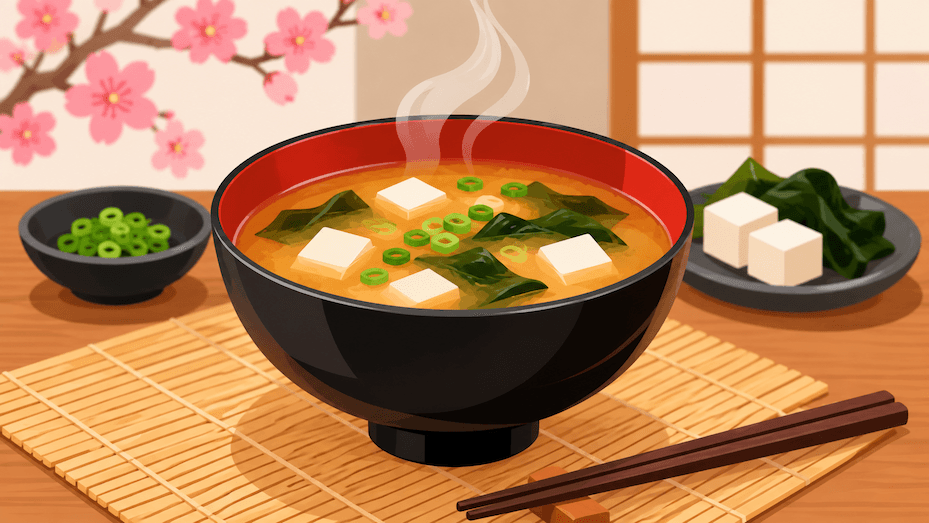
Chicken yakitori and miso soup: Add a warm, savory soup to round out the meal.
For another introduction to traditional Japanese flavors, explore our article about What Is Miso Soup?.
A varied selection makes shared dining more interesting because guests can experience different ingredients, preparations, and flavor profiles throughout the meal.
Where Can You Enjoy Chicken Yakitori in Miami Beach?
Tokyo Sushi Speakeasy offers Chicken Yakitori for guests looking for a flavorful Japanese-inspired dish in the heart of South Beach. Its preparation features two skewers of grilled chicken glazed with teriyaki, scallions, and sesame seeds.
Located at 1000 Collins Ave, Miami Beach, Florida 33139, Tokyo Sushi Speakeasy combines Japanese cuisine, signature cocktails, and a modern speakeasy atmosphere.
The restaurant offers a dining experience suited to date nights, celebrations, and evenings out with friends.
Guests can explore a variety of menu selections, including:
Chicken Yakitori
Japanese-inspired small plates
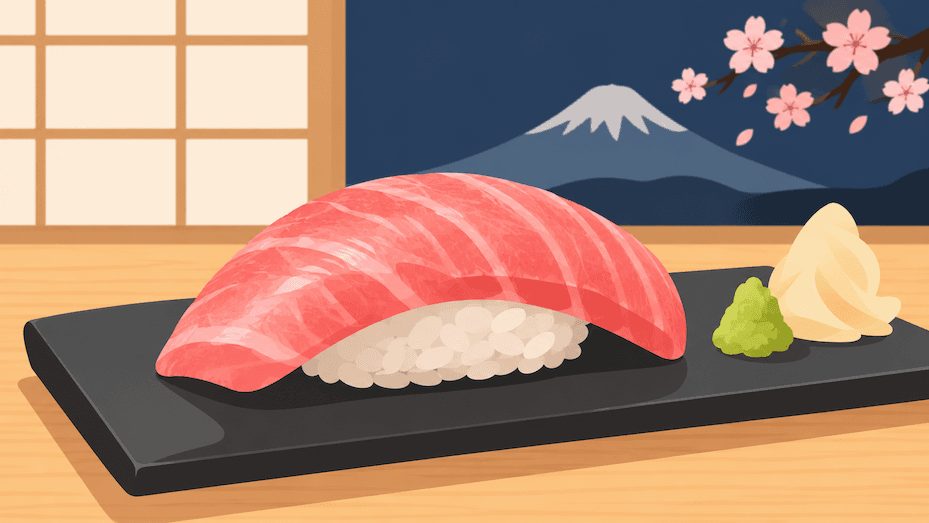
Nigiri and sashimi
Signature sushi rolls
Hand rolls
Japanese sake
Crafted cocktails
Whether you prefer cooked Japanese dishes or want to add something different to a sushi dinner, Chicken Yakitori offers a satisfying option.
You can explore the complete Tokyo Sushi Speakeasy menu to discover the restaurant’s food and beverage selections.
Frequently Asked Questions About Chicken Yakitori
What is chicken yakitori made of?
Chicken yakitori is made with bite-sized chicken pieces threaded onto skewers and grilled. It is commonly seasoned with salt or finished with a savory-sweet sauce. Tokyo Sushi Speakeasy serves its version with teriyaki glaze, scallions, and sesame seeds.
Is chicken yakitori spicy?
Traditional chicken yakitori is not necessarily spicy. Its flavor is generally savory, slightly sweet, and smoky, although individual restaurants may offer spicy variations.
Is yakitori the same as teriyaki chicken?
No. Yakitori refers to Japanese-style grilled chicken skewers, while teriyaki describes a cooking and glazing technique. Yakitori can use teriyaki-style sauce, but the two terms do not mean the same thing.
Is chicken yakitori cooked or raw?
Chicken yakitori is a cooked dish. The chicken is grilled over heat until it reaches a safe internal temperature, making it an option for people who prefer cooked food instead of raw seafood.
What sauce is traditionally used for yakitori?
Traditional yakitori is often seasoned with salt, known as shio, or brushed with tare, a savory-sweet sauce commonly made with soy sauce, mirin, sake, and sugar. Restaurant recipes can vary.
Can chicken yakitori be served as an appetizer?
Yes. Chicken yakitori is commonly served as an appetizer or small plate. Its skewer presentation makes it convenient to share or enjoy before ordering additional dishes.
What is the difference between chicken yakitori and chicken kebabs?
Both dishes feature meat cooked on skewers, but they come from different culinary traditions. Yakitori is associated with Japanese cuisine and commonly uses Japanese seasonings, while kebabs encompass a wide range of preparations found across Middle Eastern, Mediterranean, and other food cultures.
Where can I try chicken yakitori in Miami Beach?
You can enjoy Chicken Yakitori at Tokyo Sushi Speakeasy, located at 1000 Collins Ave, Miami Beach, Florida 33139. The restaurant serves two grilled chicken skewers with teriyaki glaze, scallions, and sesame seeds.
Experience Japanese-Inspired Grilled Chicken at Tokyo Sushi Speakeasy
Chicken yakitori demonstrates how simple ingredients and careful grilling can create a flavorful Japanese dish. The combination of tender chicken, savory-sweet glaze, fresh scallions, and sesame seeds makes it an enjoyable choice for anyone who appreciates grilled food.
At Tokyo Sushi Speakeasy, Chicken Yakitori adds variety to a menu that brings together Japanese-inspired dishes, sushi, and handcrafted cocktails in a modern South Beach setting.
Whether you are exploring Japanese cuisine for the first time or looking for a cooked alternative to sushi and sashimi, these grilled chicken skewers are worth discovering.
Visit Tokyo Sushi Speakeasy at 1000 Collins Ave in Miami Beach and explore its menu for your next night out.