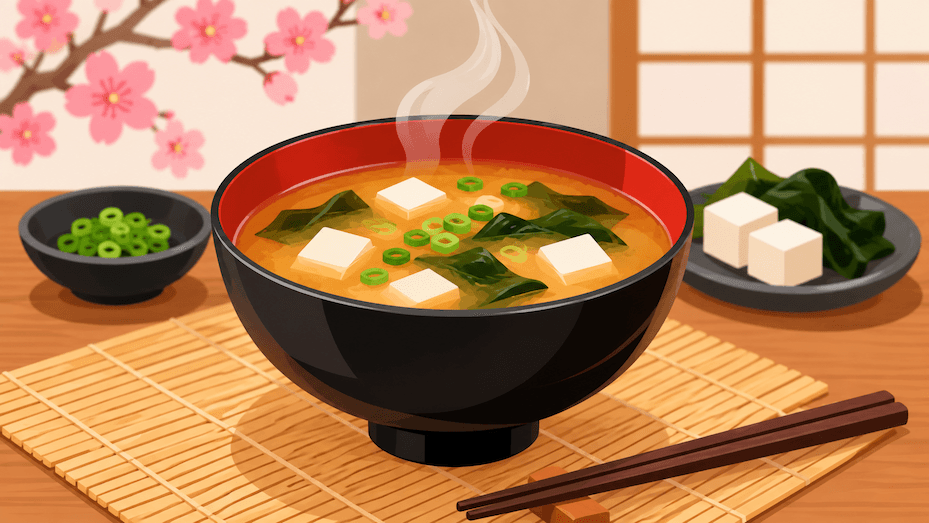
Miso soup is one of the most recognizable dishes in Japanese cuisine. Often served alongside sushi, rice, and other traditional meals, this comforting soup is known for its savory broth, delicate ingredients, and distinctive umami flavor.
Made with fermented soybean paste called miso, Japanese soup stock, and ingredients such as wakame seaweed, tofu, and scallions, miso soup brings together simple components that create a satisfying flavor.
At Tokyo Sushi Speakeasy in South Beach, Miso Soup offers guests a traditional Japanese-inspired starter made with miso, wakame, tofu, and scallions. Whether you’re discovering Japanese cuisine for the first time or looking for something warm before enjoying sushi, understanding this classic soup makes the dining experience even more interesting.
What Is Miso Soup?
Miso soup is a traditional Japanese soup prepared with miso paste and dashi, a savory Japanese broth. It commonly includes tofu, wakame seaweed, and scallions, although ingredients can vary depending on regional traditions and personal preferences.
The soup is appreciated for its balance of salty, savory, and slightly earthy flavors. Its light broth makes it a popular accompaniment to larger Japanese meals, including sushi and other seafood dishes.
Unlike creamy Western soups, traditional miso soup generally has a thin, clear broth with small pieces of vegetables, tofu, and seaweed.
Its appeal comes from the combination of fermented ingredients and delicate additions that create depth without making the soup feel heavy.
Why Is Miso Soup Popular in Japanese Cuisine?
Miso soup has remained an important part of Japanese food culture because it is versatile, relatively simple to prepare, and suitable for many different meals.
It is commonly served with rice and other dishes as part of a traditional Japanese meal. Many households prepare it regularly, adjusting the ingredients according to the season and available produce.
Some reasons for its popularity include:
Simple ingredients: Miso paste and dashi create the foundation of the soup.
Distinctive flavor: Fermented miso provides a savory taste known as umami.
Versatility: Tofu, seaweed, mushrooms, vegetables, and seafood can all be added.
Light consistency: Its broth-based preparation makes it a comfortable starter.
Cultural significance: It has been part of Japanese dining traditions for generations.
Miso soup is more than just a side dish. It represents the Japanese approach to balancing ingredients and allowing natural flavors to stand out.
What Are the Main Ingredients in Miso Soup?
Traditional miso soup is made with miso paste, dashi broth, and selected ingredients that add texture and flavor. The classic combination of wakame, tofu, and scallions creates a balanced soup that is both savory and refreshing.
Each ingredient serves a specific purpose in the finished dish.
1. Miso Paste: What Gives the Soup Its Signature Flavor?
Miso paste is a fermented soybean seasoning that gives miso soup its recognizable savory flavor. It is traditionally produced by fermenting soybeans with salt and koji, a fermentation starter made using rice, barley, or soybeans.
The fermentation process develops the paste’s complex flavor and aroma.
Different varieties of miso can produce different results:
White miso (Shiro): Generally milder, sweeter, and lighter in color.
Red miso (Aka): Usually stronger, saltier, and more pronounced in flavor.
Yellow miso: Often offers a balanced flavor between lighter and darker varieties.
Mixed miso (Awase): Combines different types of miso to create a more balanced taste.
The type of miso used can influence the soup’s color, saltiness, aroma, and overall flavor.
2. Wakame: Why Is Seaweed Added to Miso Soup?
Wakame is an edible seaweed commonly used in Japanese cooking. In miso soup, it adds a delicate ocean-like flavor and a soft, slightly slippery texture.
When dried wakame is placed in liquid, it absorbs moisture and expands. Once prepared, it becomes tender and blends naturally into the broth.
Wakame also contributes minerals and small amounts of dietary fiber.
Its subtle flavor complements the savory miso broth without overpowering the other ingredients.
3. Tofu: What Does Tofu Add to Miso Soup?
Tofu is made from soybeans and provides a soft texture and mild flavor that balances the stronger taste of miso.
In traditional preparations, silken or soft tofu is commonly used because it blends well with the light broth.
Tofu contributes plant-based protein and makes the soup more satisfying without significantly changing its delicate flavor.
Its mild taste also allows the miso, seaweed, and broth to remain the main flavor components.
4. Scallions: Why Are They Used as a Topping?
Scallions, also known as green onions, add a fresh, slightly sharp flavor to miso soup. They are typically sliced thinly and added near the end of preparation or used as a garnish.
Their bright green color creates visual contrast against the broth, while their mild onion flavor balances the soup’s savory character.
Although they are a simple addition, scallions help bring the different ingredients together.
5. Dashi: What Is the Base of Traditional Miso Soup?
Dashi is a Japanese soup stock that provides the foundation for traditional miso soup. It contributes a subtle savory depth that complements the fermented soybean paste.
Common dashi ingredients include:
Kombu, a type of dried kelp.
Katsuobushi, dried and smoked bonito flakes.
Niboshi, small dried fish.
Dried shiitake mushrooms in certain preparations.
Not every dashi uses the same ingredients. Some varieties are seafood-based, while others use plant-based ingredients.
This distinction is particularly important for guests with vegetarian or seafood dietary preferences.
What Does Miso Soup Taste Like?
Miso soup has a savory, salty, and slightly earthy flavor with a distinctive umami character. Its taste depends on the type of miso, the broth, and the ingredients used in its preparation.
Unlike heavily seasoned soups, miso soup generally relies on the natural flavors of fermented ingredients and dashi.
Here is how its main flavor characteristics work together:
Flavor | Where It Comes From | What It Adds |
|---|---|---|
Savory | Miso and dashi | Creates the main flavor |
Salty | Miso paste | Provides seasoning |
Earthy | Fermented soybean paste | Adds depth |
Mild sweetness | Certain miso varieties | Balances the savory taste |
Freshness | Scallions and wakame | Adds contrast |
The result is a soup that tastes comforting without being overly rich.
For first-time diners, miso soup is also a useful introduction to umami, one of the five basic tastes commonly associated with Japanese cooking.
What Is Umami and Why Is It Important in Miso Soup?
Umami is the savory taste associated with naturally occurring compounds such as glutamate. It is an important part of Japanese cooking and helps explain why miso soup has such a distinctive flavor.
Miso and dashi both contribute to this savory profile.
The combination creates depth without requiring heavy sauces or complicated seasoning.
Other Japanese foods also rely on umami to develop their flavor, including:
Soy sauce
Kombu broth
Shiitake mushrooms
Fermented soybean products
Certain seafood preparations
This emphasis on balanced savory flavors is one reason miso soup works so well alongside sushi and sashimi.
What Are the Potential Health Benefits of Miso Soup?
Miso soup can contribute useful nutrients to a balanced diet through ingredients such as fermented soybean paste, tofu, and seaweed. However, its nutritional value depends on the recipe, serving size, broth, and amount of miso used.
It should be viewed as one component of a varied diet rather than a food that provides guaranteed health benefits.
1. Does Miso Soup Provide Protein?
Yes. Miso and tofu are both made from soybeans and contribute plant-based protein to the soup.
Tofu is particularly useful because it adds protein while maintaining the dish’s light consistency.
The exact amount depends on how much tofu and miso are included in each serving.
2. Does Miso Soup Contain Minerals?
Yes. Depending on the ingredients, miso soup can provide minerals from soybeans and seaweed.
Wakame, for example, contains minerals such as iodine and magnesium. However, the amount can vary according to the type of seaweed and serving size.
3. Is Miso Soup a Fermented Food?
Yes. Miso paste is produced through fermentation, using soybeans, salt, and koji.
Fermentation develops its characteristic aroma and savory flavor. Some fermented miso products may contain live microorganisms, but not every prepared soup can be assumed to provide probiotic benefits.
Preparation and heating methods can affect the microorganisms that remain in the finished dish.
4. Is Miso Soup Low in Calories?
Miso soup is generally a relatively light, broth-based dish compared with creamy soups, but its actual calorie content depends on the ingredients and serving size.
Tofu, additional vegetables, and other additions can change its nutritional profile.
For guests looking for a lighter beginning to their meal, it can be a practical option.
5. Is Miso Soup High in Sodium?
Miso paste contains salt, so miso soup can contribute a meaningful amount of sodium to your daily intake.
People monitoring sodium consumption should consider the portion size and ask about the preparation when dining out.
It is also worth remembering that some dashi preparations and additional seasonings may contribute further sodium.
How Is Traditional Japanese Miso Soup Prepared?
Traditional miso soup is prepared by making dashi, adding selected ingredients, and dissolving miso paste into the broth. The preparation is relatively simple, but the order in which ingredients are added helps preserve their texture and flavor.
Here is a simplified overview of the process.
Step 1: Prepare the Dashi Broth
Start with Japanese soup stock made from ingredients such as kombu and bonito flakes, depending on the desired flavor.
The dashi provides the savory foundation for the soup.
Step 2: Prepare the Ingredients
Cut tofu into small cubes, rehydrate dried wakame if necessary, and slice the scallions.
Preparing everything beforehand helps keep the cooking process organized.
Step 3: Heat the Broth and Add the Tofu
Warm the dashi and gently add the tofu.
Avoid stirring too aggressively because soft tofu can break apart.
Step 4: Add the Miso Paste
Dissolve the miso paste into a small amount of warm broth before incorporating it into the pot.
This helps distribute the paste evenly and creates a smooth, consistent flavor.
Step 5: Finish With Wakame and Scallions
Add the wakame and finish with sliced scallions.
The soup is then ready to serve while warm.
A common cooking recommendation is to avoid vigorously boiling the soup after adding miso because excessive heat can affect its delicate aroma and flavor.
When Is Miso Soup Traditionally Served in Japan?
Miso soup is commonly served as part of everyday Japanese meals, including breakfast, lunch, and dinner. It is often paired with steamed rice, vegetables, grilled fish, and other traditional dishes.
Its versatility makes it suitable for different occasions.
Is Miso Soup Served Before Sushi?
Yes. Miso soup is commonly enjoyed alongside sushi meals and can be served as a starter or accompaniment.
Its warm broth creates a pleasant contrast to chilled sushi, while its savory flavor complements seafood and rice.
For diners who want to explore more Japanese food traditions, understanding the differences between nigiri, sashimi, and maki can also make ordering easier. Our guide to different sushi types explains how these popular preparations differ.
Why Does Miso Soup Work as a Starter?
Miso soup works well as a starter because it is warm, light, and flavorful without being overly filling.
It can introduce savory flavors before guests move on to appetizers, sushi rolls, or more substantial dishes.
Some popular Japanese-inspired starters include:
Miso soup
Truffled edamame
Gyoza
Ebi shumai
Chicken yakitori
Each offers a different texture and flavor, making it easier to create a varied dining experience.
Guests interested in exploring other Japanese appetizers can also read our guide to truffled edamame.
What Makes Miso Soup a Great Choice at Tokyo Sushi Speakeasy?
Tokyo Sushi Speakeasy offers Miso Soup made with traditional Japanese miso, wakame, tofu, and scallions. It is a straightforward Japanese-inspired starter that introduces guests to the comforting flavors of miso before they explore the restaurant’s wider menu.
Located at 1000 Collins Avenue in Miami Beach, Tokyo Sushi Speakeasy combines Japanese-inspired food with a modern South Beach dining and nightlife atmosphere.
The restaurant’s Miso Soup features four familiar elements:
Traditional Japanese miso: Provides the soup’s signature savory flavor.
Wakame: Adds seaweed texture and a subtle ocean-inspired taste.
Tofu: Brings a soft texture and plant-based protein.
Scallions: Finish the soup with freshness and mild onion flavor.
It is a natural choice for diners who enjoy traditional Japanese flavors or want a warm dish before exploring sushi and other menu selections.
What Else Can You Order With Miso Soup?
Miso Soup can be enjoyed on its own or alongside other Japanese-inspired dishes. Pairing it with different appetizers and sushi selections creates a more varied meal.
Some options to consider include:
Menu Item | What It Offers |
|---|---|
Truffled Edamame | Steamed soybeans with smoked truffle salt |
Gyoza | Japanese dumplings with pork or vegetable filling |
Ebi Shumai | Steamed shrimp dumplings served with ponzu |
Chicken Yakitori | Grilled chicken skewers with teriyaki glaze |
Tuna Tataki | Seared tuna with sesame, yellow chili sauce, and pickled onions |
You can explore the full Tokyo Sushi Speakeasy menu to see the restaurant’s sushi, sashimi, appetizers, and other selections.
If you are interested in understanding the nutritional side of Japanese dining, our article on whether sushi is healthy also explores ingredients, nutrition, and balanced ordering choices.
Is Miso Soup Suitable for Vegetarians?
Miso soup can be vegetarian, but not every traditional preparation is automatically vegetarian because the dashi broth may contain bonito flakes or other fish ingredients.
The main ingredients, including miso paste, tofu, wakame, and scallions, are generally plant-based. However, the stock used to prepare the soup makes an important difference.
If you follow a vegetarian diet, consider asking the restaurant:
Does the soup use fish-based dashi?
Is the miso paste made with any additional animal-derived ingredients?
Is the preparation suitable for your dietary requirements?
For vegan diners, it is also worth checking whether the preparation contains any other animal-derived ingredients.
What Is the Difference Between Miso Soup and Other Japanese Soups?
Japanese cuisine includes several traditional soups, but miso soup stands out because its primary seasoning is fermented soybean paste. Other Japanese soups may use clear dashi, soy sauce, salt, or different ingredients to create their flavor.
Here is a simple comparison:
Japanese Soup | Main Flavor Base | Common Ingredients |
|---|---|---|
Miso Soup | Fermented miso paste and dashi | Tofu, wakame, scallions |
Suimono | Clear dashi broth | Fish, vegetables, mushrooms |
Tonjiru | Miso-based broth | Pork and root vegetables |
Kenchinjiru | Vegetable-based dashi and soy seasoning | Root vegetables, tofu |
Osuimono | Light, clear seasoned broth | Seafood, mushrooms, herbs |
Miso soup is generally the best-known example of a Japanese soup prepared with fermented soybean paste.
Other varieties offer different textures and levels of richness depending on their ingredients.
Enjoy Traditional Japanese Miso Soup at Tokyo Sushi Speakeasy
Miso soup demonstrates how a few carefully selected ingredients can create a memorable Japanese dish. Its fermented soybean paste, savory broth, delicate wakame, soft tofu, and fresh scallions come together to produce a comforting flavor that has remained popular in Japanese cuisine for generations.
For guests exploring Japanese food in Miami Beach, Tokyo Sushi Speakeasy offers its own version featuring traditional Japanese miso, wakame, tofu, and scallions.
Whether you are enjoying it as a starter, pairing it with sushi, or simply looking for something warm before your main course, Miso Soup is a simple way to experience an important part of Japanese dining culture.
Visit Tokyo Sushi Speakeasy at 1000 Collins Avenue in South Beach and explore a menu that brings Japanese-inspired flavors together with Miami’s distinctive dining atmosphere.
For menu details and reservations, visit:
https://www.tokyosushispeakeasy.com/
Frequently Asked Questions About Miso Soup
1. What is miso soup made of?
Traditional miso soup is made with fermented soybean paste, dashi broth, and ingredients such as tofu, wakame seaweed, and scallions. Recipes vary depending on regional preferences and individual preparation methods.
2. Is miso soup healthy?
Miso soup can be part of a balanced diet because it may provide protein, minerals, and other nutrients from ingredients such as tofu, soybeans, and seaweed. However, it can also contain considerable sodium, depending on the recipe.
3. What does miso soup taste like?
Miso soup has a savory, salty, slightly earthy flavor with a distinctive umami character. The exact taste depends on the miso variety and broth used.
4. What is the white stuff in miso soup?
The white cubes commonly found in miso soup are tofu. They are made from soybeans and provide a soft texture and mild flavor that complements the savory broth.
5. What is the seaweed in miso soup?
The seaweed is commonly wakame, an edible seaweed used in Japanese cooking. It becomes soft after soaking and adds a subtle ocean-like flavor.
6. Does miso soup contain fish?
It depends on the broth. Traditional dashi is often made with bonito flakes or dried fish, although vegetarian versions can use kombu or mushroom-based stock instead.
7. Is miso soup vegetarian?
It can be vegetarian if prepared with plant-based dashi and suitable miso paste. However, many traditional preparations use fish-based stock, so it is important to confirm the ingredients.
8. Is miso soup served hot or cold?
Miso soup is traditionally served warm. Its comforting broth makes it a popular accompaniment to Japanese meals.
9. Can you eat miso soup with sushi?
Yes. Miso soup is commonly enjoyed alongside sushi because its savory broth complements the flavors of seafood and rice. It is also a popular starter before sushi rolls and sashimi.
10. Where can I try miso soup in Miami Beach?
You can try Miso Soup at Tokyo Sushi Speakeasy, located at 1000 Collins Avenue, Miami Beach, Florida. Its menu features traditional Japanese miso with wakame, tofu, and scallions.