Japanese desserts are known for their balanced sweetness, delicate textures, and thoughtful use of traditional ingredients. One dessert that brings these qualities together is Japanese matcha cheesecake, a lighter take on classic cheesecake that combines the subtle bitterness of green tea with the creamy richness of cheese.
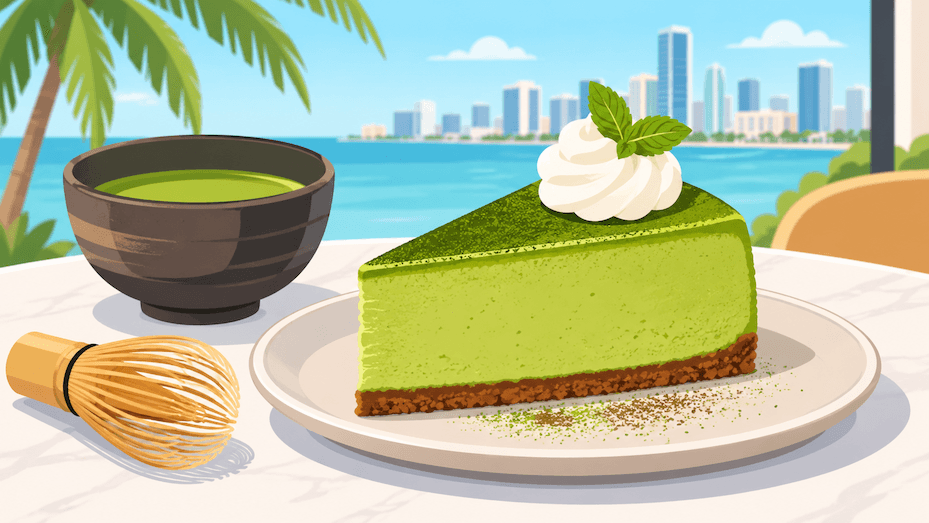
At Tokyo Sushi Speakeasy in Miami Beach, Japanese Matcha Cheesecake takes this combination a step further. Made with ceremonial-grade matcha and served with mango-yuzu sauce, this dessert brings together earthy Japanese tea flavors and bright tropical citrus notes for a memorable finish to a Japanese dining experience.
Whether you’re discovering matcha desserts for the first time or looking for something different from traditional cheesecake, understanding what makes this dessert special can help you appreciate every bite.
What Is Japanese Matcha Cheesecake?
Japanese matcha cheesecake is a cheesecake that incorporates finely ground Japanese green tea powder, known as matcha, into a creamy cheese-based dessert. It combines the familiar richness of cheesecake with matcha’s distinctive earthy flavor and naturally vibrant green color.
Unlike conventional cheesecakes that often emphasize sweetness and density, Japanese-inspired versions are commonly associated with a more delicate flavor profile and lighter texture.
Matcha also gives the dessert a distinctive character. Its slightly bitter, grassy, and sometimes subtly sweet notes create a contrast with the creamy ingredients.
Some characteristics that make Japanese matcha cheesecake appealing include:
Earthy flavor: Matcha provides a recognizable green tea taste.
Creamy texture: Cheese creates a smooth and rich foundation.
Balanced sweetness: The natural bitterness of matcha can complement sweet ingredients.
Distinctive appearance: Matcha gives the cheesecake its characteristic green color.
Versatility: It pairs well with citrus, tropical fruit, and other complementary flavors.
The result is a dessert that feels familiar to cheesecake lovers while offering something different from traditional vanilla or chocolate varieties.
What Makes Matcha Special in Japanese Desserts?
Matcha is a finely ground powder made from specially cultivated green tea leaves. It has an important place in Japanese food culture and is widely used in beverages, confectionery, baked goods, and traditional sweets.
Its flavor is one of the main reasons chefs and pastry makers incorporate it into desserts. Rather than tasting simply sweet, matcha offers a combination of earthy, vegetal, slightly bitter, and savory notes.
What Is Ceremonial-Grade Matcha?
Ceremonial-grade matcha generally refers to high-quality matcha selected for traditional tea preparation. It is valued for its vibrant color, fine texture, and nuanced flavor.
Although grading terminology is not universally standardized, ceremonial-grade matcha is generally associated with a more delicate taste than many culinary-focused matcha products.
Its qualities can make it an appealing ingredient in desserts where the green tea flavor should remain noticeable without becoming overly harsh.
Why Does Matcha Taste Slightly Bitter?
Matcha contains naturally occurring plant compounds, including catechins, which contribute to its characteristic bitterness. Its flavor can also include grassy, vegetal, and umami notes.
In a dessert, these characteristics provide contrast to sweet and creamy ingredients.
For example, the combination of matcha and cream cheese creates a balance between:
The earthy character of green tea.
The richness of dairy.
The sweetness of the dessert.
The subtle bitterness that keeps the overall flavor from feeling one-dimensional.
This balance is what makes matcha especially interesting in cheesecake.
How Is Japanese Matcha Cheesecake Different From Regular Cheesecake?
Japanese matcha cheesecake differs from traditional cheesecake primarily in its flavor profile, ingredients, and overall presentation. Traditional cheesecake typically focuses on cream cheese, sugar, and a rich dairy flavor, while matcha cheesecake introduces green tea’s distinctive earthy character.
Here is a comparison of the two dessert styles:
Feature | Traditional Cheesecake | Japanese Matcha Cheesecake |
|---|---|---|
Main flavor | Sweet and creamy | Earthy, creamy, and subtly sweet |
Key ingredient | Cream cheese | Cream cheese and matcha |
Color | Usually white or pale yellow | Characteristic green |
Flavor balance | Primarily sweet and tangy | Sweetness balanced by green tea notes |
Flavor variations | Vanilla, chocolate, fruit | Matcha, citrus, mango, and other complementary flavors |
Overall experience | Familiar and rich | Delicate and more complex |
It is worth noting that Japanese cheesecake is not always the same as Japanese matcha cheesecake. Japanese-style soufflé cheesecake, for example, is known for its airy, sponge-like consistency, while other matcha cheesecake preparations may be denser and creamier.
The exact texture depends on the recipe and preparation method.
Why Does Mango-Yuzu Sauce Pair So Well With Matcha Cheesecake?
Mango-yuzu sauce complements matcha cheesecake by combining tropical sweetness with bright citrus acidity. Mango contributes a smooth, fruity sweetness, while yuzu adds a fragrant tartness that contrasts with the earthy flavor of green tea.
This combination creates a more layered dessert experience.
What Does Mango Add to the Dessert?
Mango is naturally sweet, aromatic, and fruity. Its flavor helps soften matcha’s more pronounced earthy and slightly bitter notes.
When paired with a creamy cheesecake, mango introduces a tropical element that makes the dessert feel bright and approachable.
Mango contributes:
Natural fruit sweetness.
A tropical aroma.
A smooth contrast to creamy cheesecake.
A familiar flavor that balances matcha’s earthiness.
What Does Yuzu Bring to the Flavor?
Yuzu is a Japanese citrus fruit known for its distinctive fragrance and tart flavor. It has qualities that can remind people of lemon, lime, and mandarin, although its aroma is more complex.
In a cheesecake pairing, yuzu provides acidity that helps balance rich ingredients.
Its contribution includes:
Bright citrus acidity.
A fragrant and refreshing aroma.
A contrast to the sweetness of mango.
A cleaner finish alongside creamy desserts.
If you’re interested in learning more about this Japanese citrus ingredient, read our guide to what yuzu is and how it is used in Japanese food and cocktails.
How Do the Three Flavors Work Together?
The appeal of matcha, mango, and yuzu comes from how their different flavor characteristics complement one another.
Ingredient | Main Flavor | Role in the Dessert |
|---|---|---|
Matcha | Earthy, vegetal, slightly bitter | Provides depth and distinctive green tea character |
Mango | Sweet, tropical, fruity | Adds sweetness and softens matcha’s bitterness |
Yuzu | Tart, aromatic, citrusy | Adds brightness and balances richness |
Cheesecake | Creamy, rich, mildly tangy | Brings the ingredients together |
Rather than allowing one ingredient to dominate, this combination creates a dessert with contrasting but complementary flavors.
What Does Japanese Matcha Cheesecake Taste Like?
Japanese matcha cheesecake offers a combination of creamy sweetness and earthy green tea flavor, with mango-yuzu sauce adding a fruity and citrus-forward contrast. Its overall taste depends on the amount of matcha, sweetness, and the balance of accompanying ingredients.
For someone trying it for the first time, the flavor can be understood through three main elements.
First, the matcha: Expect an earthy green tea character with a gentle bitterness rather than the straightforward sweetness of a conventional cheesecake.
Second, the cheesecake: The cheese-based component provides richness and a creamy flavor that balances the green tea.
Finally, the mango-yuzu sauce: The tropical fruit and citrus notes introduce sweetness and acidity, giving the dessert a more refreshing finish.
This makes it an interesting choice for guests who enjoy desserts that are not overwhelmingly sweet.
Is Japanese Matcha Cheesecake Worth Trying If You Don’t Like Green Tea?
Yes. Japanese matcha cheesecake may appeal even to people who do not regularly drink green tea because its flavor is combined with creamy and sweet ingredients. The cheesecake helps balance matcha’s earthy notes, while fruit-based sauces can introduce additional sweetness.
However, matcha remains a recognizable flavor, so it may not be the ideal choice for someone who strongly dislikes green tea.
If you’re curious but unsure whether you’ll enjoy it, consider these points:
Try a small portion first if available.
Pay attention to the balance between matcha and sweetness.
Taste the cheesecake with its accompanying sauce.
Compare its flavor with a traditional vanilla or fruit-based cheesecake.
For adventurous dessert lovers, matcha cheesecake is a good way to explore Japanese ingredients without committing to a traditional green tea beverage.
When Is the Best Time to Enjoy Matcha Cheesecake?
Matcha cheesecake works particularly well as a dessert after dinner because its earthy flavor and creamy texture provide a satisfying conclusion to a meal. Its combination of sweetness and citrus also makes it suitable after dishes with richer or more savory flavors.
At a Japanese restaurant, dessert can be an important part of the overall dining experience.
Consider enjoying matcha cheesecake after:
A sushi dinner: The dessert provides a sweet contrast after a selection of nigiri, sashimi, and signature rolls.
A shared Japanese meal: It gives everyone at the table an opportunity to try something different.
A special occasion: Its distinctive flavor and presentation can make the final course feel more memorable.
An evening of cocktails: A creamy dessert can provide a satisfying finish to a night out.
For guests planning an evening in South Beach, Tokyo Sushi Speakeasy combines Japanese-inspired food, handcrafted cocktails, and desserts in one dining experience. You can also explore our guide to finding an intimate dinner experience in Miami Beach.
What Other Japanese Desserts Should You Try?
Japanese desserts offer a wide variety of flavors, from matcha and red bean to coconut and seasonal fruit. Exploring different options can help you discover which ingredients and textures you enjoy most.
Tokyo Sushi Speakeasy’s dessert menu includes options that offer different flavor experiences.
Japanese Matcha Cheesecake
This dessert combines ceremonial-grade matcha with a creamy cheesecake base and mango-yuzu sauce. It is a good choice for guests who enjoy earthy flavors balanced with fruit and citrus.
Panda Coconut Bun
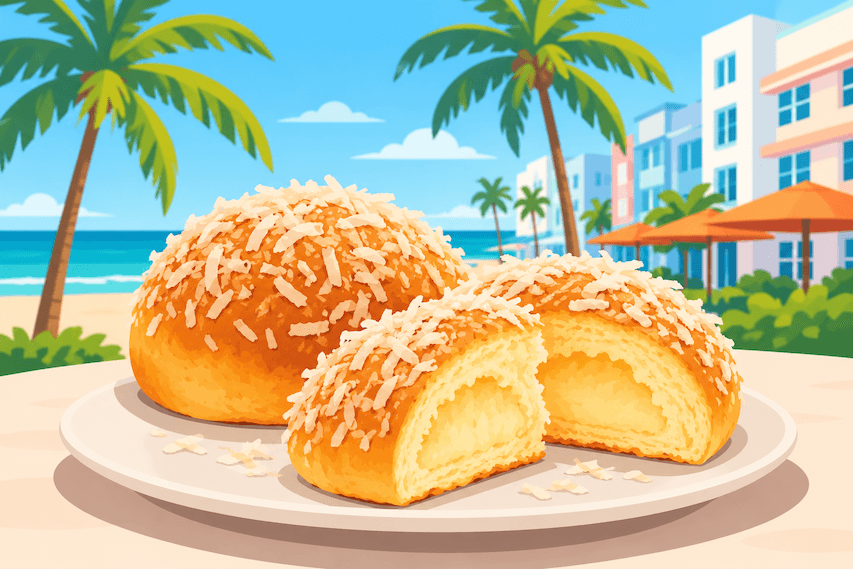
The Panda Coconut Bun features a warm steamed bun filled with coconut cream. Its soft texture and sweet coconut filling offer a different experience from cheesecake.
These desserts provide two distinct ways to finish a Japanese-inspired meal: one built around green tea and citrus, and the other centered on warm bread and coconut cream.
You can explore the Tokyo Sushi Speakeasy menu to discover more Japanese-inspired dishes, signature sushi rolls, small plates, cocktails, sake, and desserts.
Where Can You Enjoy Japanese Matcha Cheesecake in Miami Beach?
Tokyo Sushi Speakeasy offers Japanese Matcha Cheesecake as part of its dessert selection at 1000 Collins Avenue in Miami Beach, Florida. The dessert features ceremonial-grade matcha and mango-yuzu sauce, combining traditional Japanese-inspired flavors with a tropical citrus finish.
The restaurant brings together Japanese cuisine and the atmosphere of a modern South Beach speakeasy.
Guests can enjoy a variety of menu options, including:
Signature sushi rolls.
Fresh nigiri and sashimi.
Japanese small plates and bao buns.
Specialty cocktails.
Japanese sake selections.
Japanese-inspired desserts.
The restaurant’s location on Collins Avenue also makes it convenient for guests exploring the South Beach dining and nightlife scene.
Tokyo Sushi Speakeasy
Address: 1000 Collins Ave, Miami Beach, FL 33139
Operating hours: Thursday–Sunday, 5:00 PM–12:00 AM
Phone: (786) 728-9318
Reservations: Available through OpenTable.
For a complete look at the restaurant’s atmosphere and dining concept, visit The Tokyo Sushi Speakeasy Experience.
Reservations are recommended, particularly for weekend dining. Check the restaurant’s current availability before planning your visit.
Frequently Asked Questions About Japanese Matcha Cheesecake
What is Japanese matcha cheesecake made of?
Japanese matcha cheesecake combines a cheese-based dessert with matcha green tea powder. Depending on the recipe, it may also include ingredients such as eggs, sugar, cream, and other flavorings. Fruit sauces can provide additional sweetness and acidity.
Does matcha cheesecake contain caffeine?
Yes. Matcha naturally contains caffeine because it is made from powdered green tea leaves. The actual caffeine content in a serving of cheesecake depends on how much matcha is used.
Is matcha cheesecake bitter or sweet?
Matcha cheesecake can be both slightly bitter and sweet. Matcha provides earthy and vegetal notes, while the cheesecake ingredients contribute sweetness and creaminess. Fruit sauces can further balance the flavor.
What does mango-yuzu sauce taste like?
Mango-yuzu sauce combines the tropical sweetness of mango with the bright, tart, and aromatic qualities of yuzu. It creates a fruity citrus flavor that complements creamy desserts.
Is matcha cheesecake the same as Japanese cotton cheesecake?
No. Japanese cotton cheesecake is known for its light, airy, soufflé-like texture. Matcha cheesecake refers to a cheesecake flavored with green tea powder, and its consistency can vary depending on the preparation method.
Does matcha cheesecake taste like regular green tea?
Matcha cheesecake has a more concentrated green tea flavor than many ordinary green tea desserts because it uses powdered tea leaves. Its taste is generally earthy, vegetal, and slightly bitter, balanced by the sweetness and creaminess of the cheesecake.
What drinks pair well with matcha cheesecake?
Tea, coffee, and lightly flavored beverages can complement matcha cheesecake. Citrus-forward drinks may also provide a refreshing contrast. The best pairing depends on the dessert’s sweetness and the strength of its matcha flavor.
Where can I find Japanese matcha cheesecake in South Beach?
Tokyo Sushi Speakeasy at 1000 Collins Ave, Miami Beach, offers Japanese Matcha Cheesecake with ceremonial-grade matcha and mango-yuzu sauce. Guests can enjoy it as part of their Japanese-inspired dining experience.
Discover Japanese Matcha Cheesecake at Tokyo Sushi Speakeasy
Japanese Matcha Cheesecake brings together the earthy character of green tea, the richness of cheesecake, and the refreshing sweetness of mango-yuzu sauce. It is a dessert that demonstrates how carefully selected ingredients can create a balanced and distinctive flavor experience.
For guests exploring Japanese cuisine in Miami Beach, it offers a different way to end a meal beyond traditional chocolate or vanilla desserts.
Whether you’re a longtime matcha enthusiast or simply curious about Japanese-inspired sweets, Tokyo Sushi Speakeasy invites you to explore its dessert selection and enjoy a memorable finish to your next South Beach dinner.
Visit Tokyo Sushi Speakeasy at 1000 Collins Ave, Miami Beach, and discover the flavors of Japanese-inspired dining.