Japanese whisky offers a wide range of flavors, from light fruit and delicate floral notes to rich vanilla, toasted oak, spice, and smoke. For beginners, the easiest way to explore it is to understand the main whisky styles, learn how serving methods affect the taste, and choose a pour or cocktail that matches your preferences.
At Tokyo Sushi Speakeasy in Miami Beach, Japanese whisky also appears in the Japanese Dragon cocktail, which combines whisky with dragon fruit, house-made ginger syrup, and fresh lime. Whether you’re discovering Japanese spirits for the first time or looking for something different to enjoy with dinner, understanding the basics can help you order with confidence.
What Is Japanese Whisky?
Japanese whisky is a distilled spirit made primarily from grain, aged in wooden casks, and produced in Japan. It draws on traditions influenced by Scotch whisky while developing its own range of styles, production techniques, and flavor profiles.
Japanese whisky can be made from malted barley, other grains, or a combination of grains, depending on the type. Production methods and maturation choices influence everything from aroma and texture to sweetness, spice, and smokiness.
Although Japanese whisky is often associated with precision and balance, there is no single flavor that defines every bottle. Some expressions are light and approachable, while others are rich, complex, or strongly smoky.
How Is Japanese Whisky Different From Scotch Whisky?
Japanese whisky and Scotch whisky share historical influences and many production principles, but their individual expressions can taste quite different. The distinction depends on the distillery, ingredients, fermentation, distillation, cask selection, and blending rather than nationality alone.
Here are a few useful differences to understand:
Production traditions: Japanese whisky developed with substantial influence from Scotch whisky-making traditions.
Flavor profiles: Both categories can range from light and fruity to rich, spicy, and smoky.
Blending: Japanese producers may combine whiskies from different production styles to achieve a particular balance.
Cask influence: Oak, sherry-seasoned casks, and other permitted cask types can contribute notes of vanilla, dried fruit, spice, and toasted wood.
Neither category is inherently better. The best choice depends on the flavors you enjoy and the individual whisky you are drinking.
What Are the Main Styles of Japanese Whisky?
Japanese whisky is commonly discussed in three broad categories: single malt, blended malt, and blended whisky. These categories describe how different whiskies are combined or produced, helping beginners understand what they are choosing.
Whisky style | What it means | Common flavor possibilities | Who might enjoy it |
|---|---|---|---|
Single malt | Made from malted barley at one distillery | Fruit, malt, floral notes, oak, or smoke | People interested in exploring a distillery’s character |
Blended malt | Combines malt whiskies from multiple distilleries | Layers of fruit, malt, spice, and oak | Drinkers who enjoy complexity and balance |
Blended whisky | Combines malt whisky with grain whisky | Often balanced, with varying sweetness, spice, and oak | Beginners looking for an approachable introduction |
These are general descriptions, not guarantees of flavor. A single malt can be delicate or smoky, and a blended whisky can be just as complex as a single malt.
What Is Single Malt Japanese Whisky?
Single malt Japanese whisky is made at one distillery using malted barley. It can offer a distinctive expression of that distillery’s production methods, ingredients, and maturation choices.
Depending on the whisky, you might notice apple, pear, citrus, honey, malt, vanilla, or toasted oak. Some single malts also feature pronounced smoke or earthy notes.
For beginners, a lighter, fruit-forward single malt can be a useful starting point because its flavors may be easier to identify without prior whisky-tasting experience.
What Is Blended Japanese Whisky?
Blended Japanese whisky combines different whiskies to create a particular flavor profile. Producers can balance lighter grain whisky with more characterful malt whisky to develop a consistent, rounded result.
Some blends emphasize honey, vanilla, soft fruit, and gentle spice. Others are richer, oakier, or more robust.
A blended whisky is not automatically less sophisticated than a single malt. Blending is a skilled process, and the final character depends on the quality and compatibility of the whiskies used.
What Does Japanese Whisky Taste Like?
Japanese whisky can taste fruity, floral, sweet, spicy, woody, or smoky, depending on its ingredients, production process, and maturation. Beginners should focus on identifying broad flavor families rather than trying to recognize every individual tasting note.
Here are common characteristics you may encounter:
Fruit: Apple, pear, citrus, peach, or dried fruit.
Sweetness: Honey, caramel, vanilla, or toffee.
Floral notes: Light blossoms, delicate aromas, or fresh herbal impressions.
Spice: Ginger, cinnamon, pepper, or baking spices.
Oak: Toasted wood, vanilla, and sometimes a dry, tannic finish.
Smoke: Campfire, charred wood, or earthy aromas in some expressions.
Not every Japanese whisky contains all these flavors. Your own perception will also be influenced by temperature, glassware, dilution, and individual taste preferences.
How Can Beginners Recognize Whisky Flavors?
The easiest way to start tasting whisky is to slow down and pay attention to its aroma, first impression, texture, and finish. You do not need professional tasting vocabulary to understand what you enjoy.
Try this simple method:
Observe the aroma. Bring the glass toward your nose and take a gentle sniff. Look for fruit, sweetness, spice, or wood.
Take a small sip. Let the whisky coat your palate without rushing to swallow.
Notice the texture. Consider whether it feels light, oily, smooth, dry, or warming.
Identify the strongest flavor. Choose one or two impressions, such as vanilla and apple or oak and spice.
Pay attention to the finish. Notice which flavors remain after swallowing and whether they fade quickly or linger.
There is no wrong answer when describing your personal impression. If a whisky reminds you of toasted bread or fresh fruit, that observation is useful even if it differs from a professional tasting note.
How Should Beginners Drink Japanese Whisky?
Japanese whisky can be enjoyed neat, with a little water, over ice, or in a mixed drink. The best serving method depends on the whisky’s intensity and how much of its flavor you want to experience.
What Does It Mean to Drink Whisky Neat?
Drinking whisky neat means serving it without ice, water, or mixers. This lets you experience its undiluted aroma, flavor, and texture.
Neat whisky is a useful option for tasting because it allows you to assess the spirit before changing its concentration. However, higher alcohol intensity can make some expressions feel sharper to new drinkers.
If you find neat whisky too strong, there is no reason to force yourself to drink it this way. Adding a little water or choosing a cocktail can make the experience more comfortable.
Is Japanese Whisky Good With Ice?
Yes. Japanese whisky can be enjoyable over ice, particularly if you prefer a cooler, more refreshing drink. As the ice melts, it gradually dilutes the whisky, potentially softening its alcohol intensity and changing the flavors you notice.
Large ice cubes usually melt more slowly than small pieces, making them useful when you want gradual dilution.
Keep in mind that cooling and dilution can reduce the intensity of certain aromas. If you want to compare a whisky over ice with the same whisky neat, try a small taste of each.
What Is a Japanese Whisky Highball?
A Japanese whisky highball typically combines whisky with chilled sparkling water and ice. It is known for its refreshing character and lighter texture compared with drinking whisky neat.
The highball is a practical introduction for beginners who enjoy sparkling drinks but find straight spirits too intense.
A simple highball generally includes:
Japanese whisky
Chilled sparkling water
Ice
Optional citrus garnish
The proportions can be adjusted to suit your taste. More sparkling water creates a lighter drink, while a larger whisky proportion gives it a stronger spirit character.
A highball is also different from a fruit-forward whisky cocktail: it usually emphasizes carbonation and the whisky itself rather than sweet syrups or elaborate ingredients.
What Is the Difference Between Japanese Whisky, Sake, and Shochu?
Japanese whisky, sake, and shochu are different alcoholic beverages made through distinct production processes. Understanding the difference helps you choose a drink that suits your preferences and the kind of dining experience you want.
Beverage | How it is made | General flavor profile | Typical serving approach |
|---|---|---|---|
Japanese whisky | Distilled from grain-based ingredients and aged in wooden casks | Fruit, malt, oak, spice, or smoke | Neat, with water, over ice, or in cocktails |
Sake | Brewed by fermenting rice with koji and yeast | Rice, fruit, floral notes, or umami | Chilled, at room temperature, or warm depending on style |
Shochu | Distilled from ingredients such as sweet potato, barley, or rice | Varies by base ingredient and production method | Neat, with water, over ice, or mixed |
Sake is not a type of whisky, and shochu is not simply Japanese vodka. Each has its own production traditions and range of flavors.
If you are exploring Japanese drinks alongside sushi, Tokyo Sushi Speakeasy’s food and drink menu provides a useful starting point for comparing the available cocktails and sake selections.
What Japanese Whisky Drinks Can Beginners Order at Tokyo Sushi Speakeasy?
Tokyo Sushi Speakeasy’s published cocktail menu features the Japanese Dragon, a whisky-based cocktail made with dragon fruit, house-made ginger syrup, and fresh lime. It offers a way to explore Japanese whisky in a mixed drink rather than starting with a straight pour.
What Is the Japanese Dragon Cocktail?
The Japanese Dragon is a signature cocktail featuring Japanese whisky, dragon fruit, house-made ginger syrup, and fresh lime, finished with a smoked dragon fruit garnish.
Its combination of fruit, ginger, and citrus creates a different experience from drinking whisky neat. The whisky provides the spirit base, while the other ingredients contribute sweetness, acidity, and aromatic character.
For a beginner, this can be a useful introduction if you are curious about Japanese whisky but prefer a cocktail with several complementary flavors.
You can also review the restaurant’s cocktail and sake selections before visiting. Menu availability and pricing can change, so confirm the current offerings with the restaurant when ordering.
Should Beginners Start With Whisky or a Whisky Cocktail?
A whisky cocktail can be an easier first step if you are unfamiliar with spirits or prefer fruit, citrus, and mixed flavors. Drinking whisky neat can be more informative when your goal is to understand the spirit’s individual character.
Consider these differences:
Choose a whisky cocktail if you prefer a balanced drink with multiple flavors.
Choose a highball if you want a refreshing drink with sparkling water and a recognizable whisky character.
Choose whisky neat if you want to concentrate on the aroma, texture, and finish.
Choose whisky with a little water if you want to explore its flavor while reducing its intensity.
You do not need to begin with the strongest or most expensive whisky to develop an appreciation for the category.
What Food Pairs Well With Japanese Whisky?
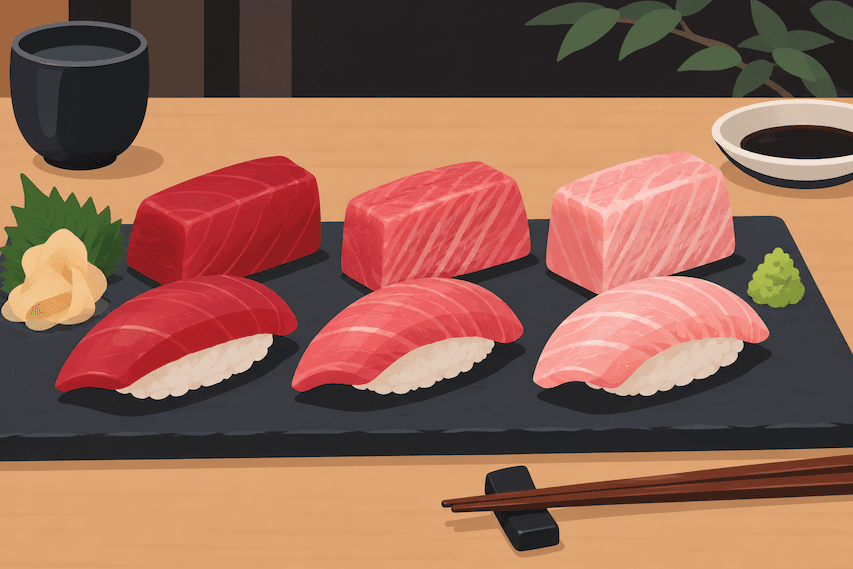
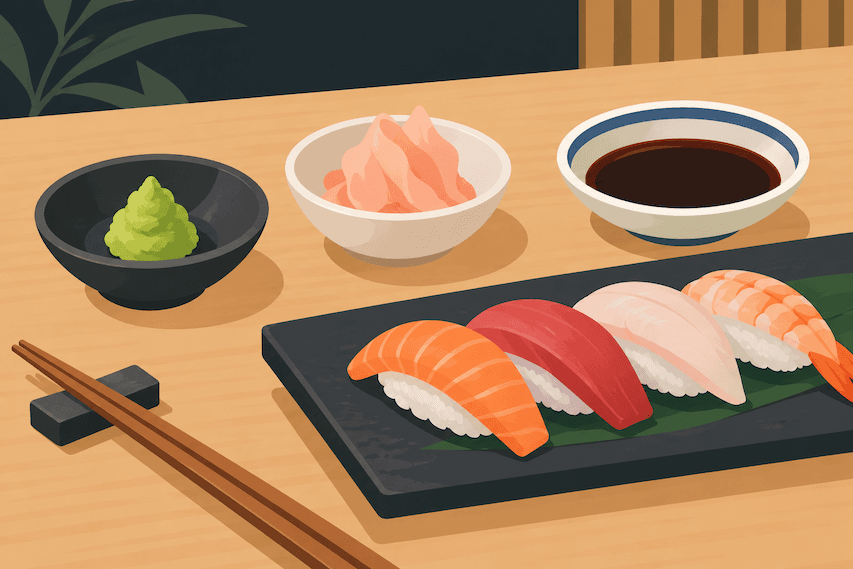
Japanese whisky can pair well with food that matches its intensity, sweetness, spice, or smoky character. Lighter whiskies may complement delicately seasoned dishes, while richer expressions can stand up to grilled ingredients, savory sauces, and more substantial flavors.
For sushi and Japanese-inspired dining, consider these general pairing principles.
Food style | Whisky characteristics to consider | Why the pairing may work |
|---|---|---|
Delicate nigiri | Light, fruity, or gently floral | Less likely to overwhelm subtle fish flavors |
Sashimi | Delicate, restrained, or lightly sweet | Can provide contrast without excessive intensity |
Spicy rolls | Citrus-led whisky cocktails | Acidity can provide a refreshing counterpoint |
Grilled or savory dishes | Oak, spice, or smoky notes | Can complement roasted and savory flavors |
Rich rolls with truffle or creamy sauces | Fuller, richer whisky profiles | Can match the dish’s greater intensity |
These are starting points rather than strict rules. The sauce, seasoning, and preparation can matter as much as the main ingredient.
For more specific guidance, read the restaurant’s existing guide to liquor and sushi pairings. That article explores how different spirits and cocktails interact with sushi, while this guide focuses on understanding Japanese whisky itself.
Should You Pair Japanese Whisky With Raw Fish?
You can pair Japanese whisky with raw fish, but the intensity of the spirit and the preparation of the fish should be considered. A heavily smoky or high-alcohol whisky may overpower delicate seafood, while a lighter expression or a well-balanced cocktail may offer a gentler contrast.
If you are ordering sashimi or simple nigiri, begin with a small taste before committing to a strong pairing. For richer rolls, grilled ingredients, or pronounced sauces, a fuller whisky profile may be more suitable.
The most effective pairing is one in which the drink and food remain recognizable rather than competing for attention.
How Can You Choose Your First Japanese Whisky?
The best first Japanese whisky is one that matches your current taste preferences and preferred serving style. You can narrow your options by deciding whether you enjoy fruit, sweetness, spice, smoke, or refreshing mixed drinks.
Use this quick guide:
You like fruity drinks: Look for whisky described with apple, pear, peach, or citrus notes.
You prefer sweeter flavors: Explore expressions with honey, vanilla, caramel, or toffee characteristics.
You enjoy bold flavors: Consider whiskies with oak, spice, or smoky notes.
You prefer lighter drinks: Try a whisky highball or a balanced whisky-based cocktail.
You want to learn about whisky: Taste a small pour neat first, then add a little water to see how the aromas change.
If you are ordering at a restaurant, tell the server what you normally enjoy. Saying that you prefer something fruity, smooth, smoky, or refreshing is often more helpful than asking for the most expensive option.
What Should Beginners Avoid When Trying Japanese Whisky?
Beginners do not need to avoid any particular whisky category, but a few common mistakes can make the first tasting less enjoyable.
First, do not assume every Japanese whisky will be light, smooth, or fruity. Some are powerful, smoky, or oak-forward.
Second, do not judge a whisky solely by its price or age statement. Older whisky is not automatically better for every palate, and an expensive bottle is not necessarily the best starting point.
Finally, avoid rushing through the tasting. Small sips, time to notice the aroma, and a little water when appropriate can make it easier to understand the spirit.
Frequently Asked Questions About Japanese Whisky
Is Japanese whisky good for beginners?
Yes. Japanese whisky can be a good starting point for people interested in exploring grain-based spirits, particularly when they choose an approachable flavor profile or a mixed drink. Beginners can start with fruity, lightly sweet, or balanced expressions before exploring stronger spice or smoke.
Is Japanese whisky sweet or smoky?
Japanese whisky can be sweet, smoky, fruity, floral, spicy, or woody, depending on how it is made and matured. Some expressions emphasize honey and vanilla, while others feature peat smoke, oak, or earthy notes.
Is Japanese whisky stronger than sake?
Japanese whisky often has a higher alcohol concentration than sake. Whisky is commonly bottled at around 40% alcohol by volume or higher, while sake is commonly around 13–17% ABV, although individual products vary. Serving size also matters when comparing alcoholic drinks.
Can you mix Japanese whisky with soda?
Yes. Mixing Japanese whisky with chilled sparkling water and ice creates a whisky highball. It is a popular serving style because carbonation and dilution can make the spirit feel lighter and more refreshing.
What is the Japanese Dragon cocktail at Tokyo Sushi Speakeasy?
The Japanese Dragon is a cocktail made with Japanese whisky, dragon fruit, house-made ginger syrup, and fresh lime, served with a smoked dragon fruit garnish. It provides a fruit-forward way to experience whisky in a mixed drink.
Is Japanese whisky the same as bourbon?
No. Japanese whisky and bourbon are distinct whisky categories with different production rules and traditions. Bourbon is an American whiskey that must meet specific requirements, including being made from a grain mixture containing at least 51% corn and aged in new charred oak containers. Japanese whisky follows its own production and labeling standards.
Explore Japanese Whisky at Tokyo Sushi Speakeasy
Japanese whisky offers more variety than many beginners expect, from light fruit and floral aromas to oak, spice, and smoke. Understanding the main styles and serving methods makes it easier to find a drink that suits your preferences without feeling overwhelmed by technical tasting terminology.
At Tokyo Sushi Speakeasy in South Beach, the Japanese Dragon cocktail combines Japanese whisky with dragon fruit, ginger syrup, and fresh lime for a distinctive alternative to a straight pour. You can explore the current menu to see the restaurant’s published cocktails and sake selections before planning your visit.
Tokyo Sushi Speakeasy is located at 1000 Collins Avenue, Miami Beach, Florida, and is listed as open Thursday through Sunday from 5 p.m. to midnight. Check the current hours and reservation availability before heading out.
If you are new to Japanese whisky, start with the flavor profile you already enjoy, choose a serving style that feels comfortable, and explore from there.