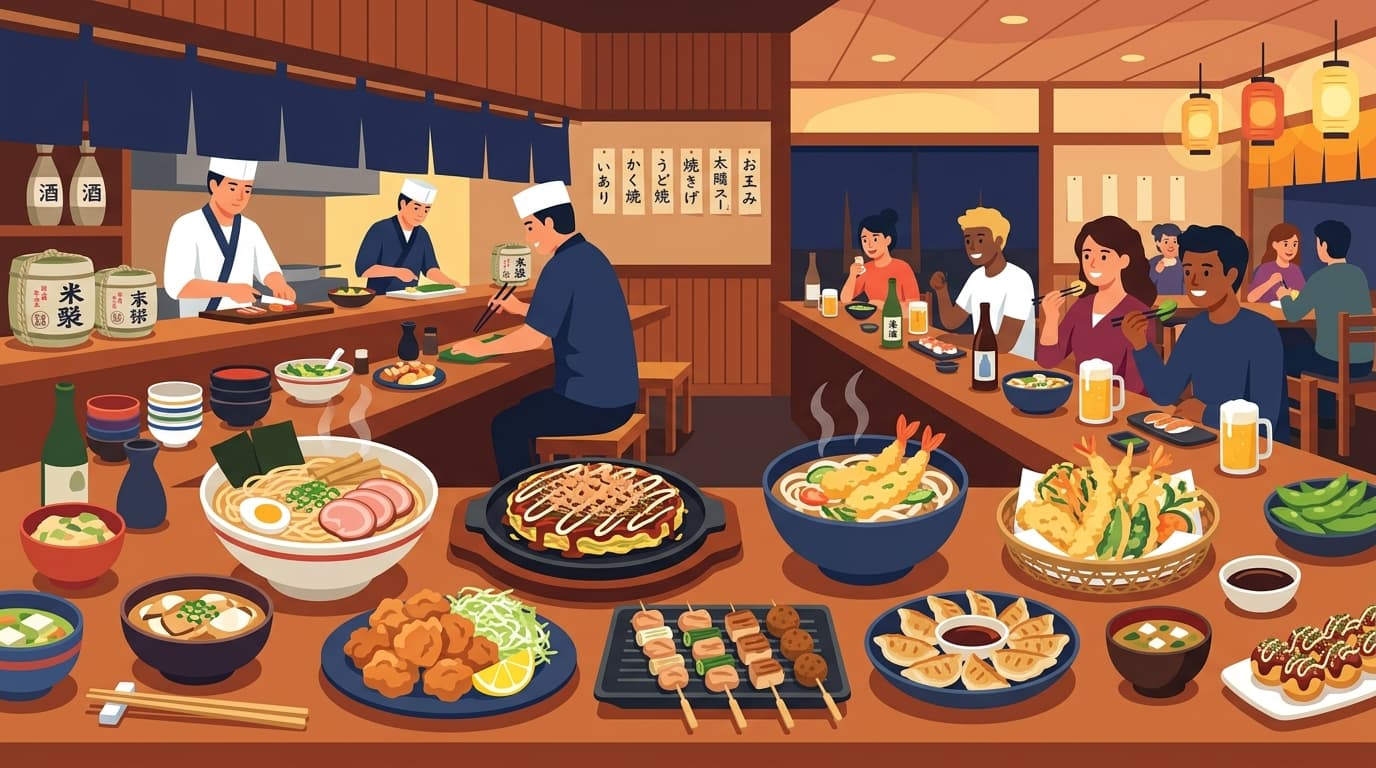
Japanese cuisine offers much more than sushi rolls. From fresh sashimi and savory dumplings to grilled skewers, steamed bao buns, comforting miso soup, and Japanese-inspired desserts, there are plenty of ways to enjoy a Japanese restaurant without making sushi the centerpiece of your meal.
Whether you’re trying Japanese food for the first time, dining with friends who prefer cooked dishes, or simply looking for something different, knowing what to order can make the experience more enjoyable. At Tokyo Sushi Speakeasy in Miami Beach, the menu includes small plates, sashimi, bao buns, Japanese-inspired desserts, cocktails, and sake, giving diners several ways to build a satisfying meal.
Here’s what to look for when exploring Japanese food besides sushi, along with practical tips for choosing dishes that match your appetite and preferences.
1. Start With Japanese Small Plates and Appetizers
Small plates are an excellent way to explore Japanese cuisine without committing to a large entrée. They’re particularly useful when dining with a group because everyone can sample different flavors, textures, and preparations.
Rather than ordering everything at once, consider starting with one or two appetizers and adding more dishes as the meal progresses.
Edamame: A Simple, Savory Starter
Edamame consists of young soybeans served in their pods. They’re commonly steamed and lightly seasoned, making them a straightforward option before richer dishes arrive.
At Tokyo Sushi Speakeasy, truffled edamame adds an aromatic twist to this familiar starter. It’s a good choice when you want something light to share while deciding what else to order.
Gyoza: Japanese Dumplings
Gyoza are Japanese dumplings typically filled with meat or vegetables. They’re often pan-fried, giving them a crisp exterior and a tender, flavorful filling.
They’re a practical choice for diners who want a cooked appetizer with a satisfying texture. Tokyo Sushi Speakeasy offers pork and vegetable gyoza, so guests can choose according to their preferences.
Ebi Shumai: Steamed Shrimp Dumplings
Shumai are small, savory dumplings traditionally associated with Chinese cuisine and widely enjoyed in Japanese dining settings. Shrimp shumai offers a delicate seafood flavor in a compact, easy-to-share portion.
At Tokyo Sushi Speakeasy, ebi shumai is served steamed with ponzu sauce. It’s a useful option if you prefer a lighter dumpling rather than a crispy, fried starter.
Miso Soup: A Warm, Comforting Beginning
Miso soup is made with miso paste, a fermented soybean seasoning, and a savory broth. Depending on the preparation, it may include ingredients such as tofu, seaweed, and scallions.
Tokyo Sushi Speakeasy’s version includes wakame, tofu, and scallions. Its warm broth provides a different experience from cold seafood or crispy appetizers, making it a natural addition to a varied meal.
Best for: Diners who want to share a few small dishes, sample different textures, or begin with something warm before ordering more substantial plates.
2. Try Sashimi if You Want Fresh Seafood Without Rice
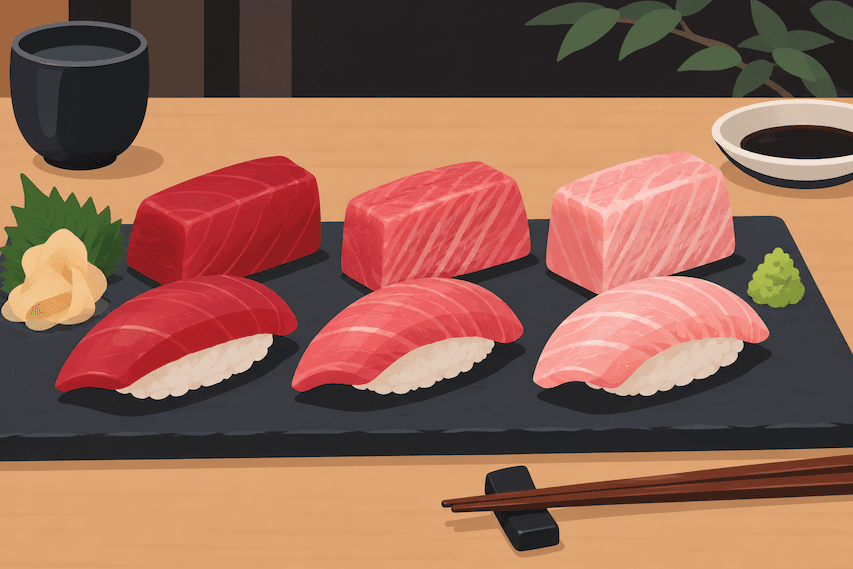
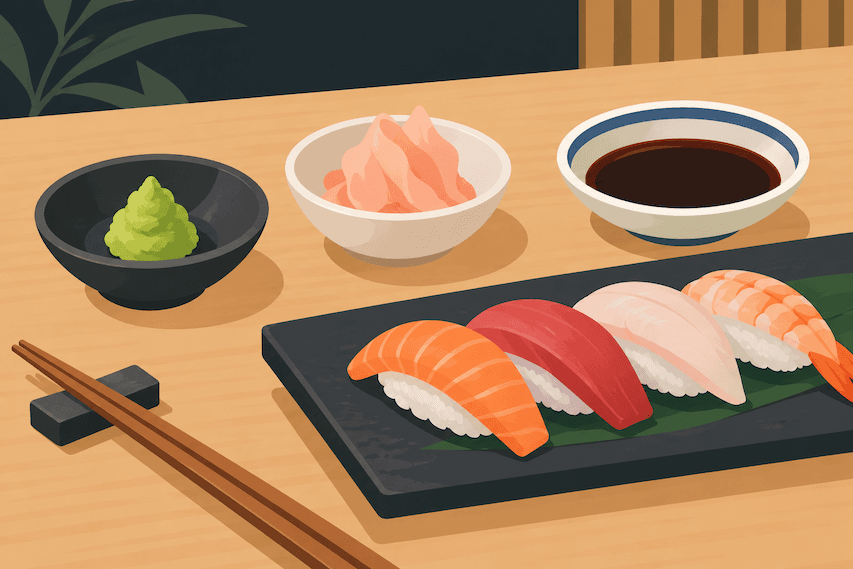
Sashimi is one of the most straightforward ways to enjoy Japanese seafood without ordering sushi rolls. It consists of carefully cut pieces of raw fish or seafood served without sushi rice.
Because rice and elaborate fillings aren’t part of the dish, the seafood’s flavor and texture take center stage.
If you’re unfamiliar with the different styles, our guide to hamachi sashimi and how to order it explains what makes yellowtail sashimi distinctive.
Salmon Sashimi
Salmon sashimi is a popular starting point for people exploring raw seafood. It generally has a rich texture and a mild, buttery flavor.
It can be a good choice if you want something relatively approachable without the additional ingredients found in specialty rolls.
Tuna Sashimi
Tuna sashimi offers a cleaner, more direct seafood experience. Its flavor and texture vary depending on the cut, but it is often a good option for diners who prefer a less creamy or buttery profile than salmon.
Tokyo Sushi Speakeasy serves tuna sashimi with ponzu and pickled ginger.
Hamachi Sashimi
Hamachi, or yellowtail, is prized for its delicate flavor and smooth texture. It can be an appealing middle ground between the richness of salmon and the cleaner taste associated with some tuna cuts.
Tokyo Sushi Speakeasy serves hamachi sashimi with citrus ponzu and scallions, adding brightness without overwhelming the fish.
Tokyo Sashimi Boat for Sharing
If you’re dining with friends, a mixed sashimi platter lets everyone compare different seafood options in one order.
Tokyo Sushi Speakeasy’s Tokyo Sashimi Boat includes a selection of salmon, tuna, hamachi, and eel sashimi, accompanied by wakame salad, pickled ginger, wasabi, and ponzu.
Keep in mind that sashimi is raw seafood. If you have concerns about raw fish, food allergies, or dietary restrictions, ask your server about preparation and suitable alternatives.
Best for: Seafood lovers who want to focus on fish rather than rice, diners exploring different fish varieties, and groups who enjoy sharing a selection of dishes.
3. Order Bao Buns for a Different Kind of Japanese-Inspired Bite
Bao buns offer a softer, more substantial alternative to traditional sushi. These pillowy steamed buns can hold a variety of fillings, sauces, and toppings, creating a combination of textures in each bite.
Bao originated in Chinese cuisine, but bao-style dishes are also popular in contemporary Asian-inspired restaurant menus. They aren’t traditional Japanese sushi, yet they can complement a modern Japanese dining experience.
Tokyo Sushi Speakeasy offers two bao options that work well for diners looking for something different.
Tuna Tartare Bao
The Tuna Tartare Bao combines tuna tartare with avocado-edamame guacamole and crispy shallots, finished with sesame.
The soft bun contrasts with the creamy filling and crunchy topping. It’s an appealing option if you enjoy seafood but want a dish with more texture and richness than sashimi alone.
Torched Salmon Bao
The Torched Salmon Bao features torched salmon, spicy mayo, and togarashi seasoning.
Compared with a simpler seafood preparation, this option brings more heat and a richer flavor profile. It may suit diners who enjoy salmon but want something more substantial and layered.
For a closer look at these menu items, read the dedicated guide to Tuna Tartare Bao and Torched Salmon Bao.
Because bao buns contain several ingredients in a compact serving, ask your server about allergens or substitutions before ordering if needed.
Best for: Diners who enjoy seafood but don’t want sushi rolls, guests looking for a shareable appetizer, and anyone interested in contemporary Asian-inspired flavors.
4. Explore Cooked Japanese Dishes and Skewers
Not everyone wants raw fish, and Japanese cuisine offers plenty of cooked options. Grilled skewers, fried seafood, and other warm dishes can help balance a meal built around lighter appetizers.
When reviewing a restaurant menu, look for cooking methods and ingredients that match your preferences rather than assuming every Japanese dish contains raw seafood.
Chicken Yakitori
Yakitori refers to Japanese grilled chicken skewers. The chicken is often seasoned or glazed, producing a savory flavor that works well as an appetizer or part of a shared meal.
Tokyo Sushi Speakeasy serves chicken yakitori with teriyaki glaze, scallions, and sesame seeds.
This is a practical choice for diners who prefer cooked meat over raw seafood. It also adds a different texture and flavor to a table that includes sashimi or vegetable-based starters.
Super Crunch Shrimp
Fried shrimp offers a crisp exterior and tender seafood filling. Tokyo Sushi Speakeasy’s Super Crunch Shrimp features battered shrimp served with house eel sauce.
It’s a good option for diners who enjoy seafood but prefer it cooked. The crispy coating also creates contrast when paired with softer dishes such as bao buns or steamed dumplings.
How to Balance Cooked and Raw Dishes
If your group has different preferences, consider ordering a combination of cooked and raw dishes instead of choosing one style for the entire table.
For example, you might combine chicken yakitori, vegetable gyoza, and crispy shrimp with a sashimi platter for guests who enjoy raw seafood.
This approach gives everyone options and makes the meal feel more varied without requiring every person to order a separate appetizer.
Best for: Diners who prefer cooked food, mixed groups with different tastes, and guests who want a more substantial meal without relying on sushi rolls.
5. Don’t Overlook Japanese-Inspired Desserts
Dessert can be an important part of a Japanese dining experience, especially if you enjoy flavors such as matcha, coconut, and fruit.
Japanese desserts often balance sweetness with delicate textures or earthy flavors. Modern restaurants may also combine traditional influences with contemporary pastry techniques.
Japanese Matcha Cheesecake
Matcha is finely ground green tea powder known for its earthy, slightly bitter flavor. In desserts, it can balance the richness of cream cheese and other sweet ingredients.
Tokyo Sushi Speakeasy serves Japanese Matcha Cheesecake with mango-yuzu sauce. The combination brings together the creamy texture of cheesecake, the distinctive flavor of matcha, and a bright fruit component.
This can be a good choice if you want a dessert that’s more complex than a standard chocolate or vanilla option.
Panda Coconut Bun
The Panda Coconut Bun is a warm steamed bun filled with coconut cream.
Its soft texture and creamy filling make it a different kind of dessert from a chilled cake or pastry. It can also be an enjoyable choice to share if your table wants to finish the meal with something warm.
Choosing a Dessert After Dinner
Think about the flavors you’ve already enjoyed. After rich appetizers, fried seafood, or creamy bao fillings, a dessert with a lighter or more refreshing flavor may provide a pleasant contrast.
If you’ve ordered several dishes for the table, sharing one dessert can also let everyone try something new without making the meal too heavy.
Best for: Guests who enjoy matcha, coconut, or Asian-inspired sweets, as well as diners who want to finish their meal with something beyond the usual dessert selection.
6. Pair Your Food With Sake or a Cocktail
Drinks can help connect the different flavors in a Japanese meal. You don’t need to know a great deal about sake or cocktails to make a thoughtful choice; start with your food preferences and the overall character of the dishes.
Sake for Seafood and Small Plates
Sake is a Japanese alcoholic beverage made by fermenting rice. Different styles range from crisp and dry to fruity, aromatic, and slightly sweet.
A lighter sake can work well with delicate seafood, while a fuller-bodied or richer style may suit more flavorful dishes. These are starting points rather than strict rules, so personal preference matters.
Tokyo Sushi Speakeasy offers several sake styles, including junmai, ginjo, daiginjo, and nigori. If you’re unfamiliar with their differences, the guide to Japanese sake styles can help you choose a style that suits your meal.
Cocktails for a Contemporary Dining Experience
If sake isn’t your preference, a cocktail can be another way to complement the meal.
Tokyo Sushi Speakeasy’s cocktail menu includes options featuring lychee, yuzu, Japanese whisky, and other ingredients. Citrus-forward drinks can be refreshing alongside savory dishes, while richer, spirit-forward cocktails may suit a more leisurely evening.
Consider the strength and sweetness of your drink alongside the food. If a dish is already rich or spicy, you may prefer something refreshing rather than another heavy flavor.
A practical tip: Ask your server for a pairing recommendation based on the dishes you’ve ordered. They can help you find a drink that complements your meal without overpowering it.
7. How to Build a Balanced Japanese Restaurant Order
When a menu includes many unfamiliar options, it can be difficult to know how much to order. The easiest approach is to consider your group size, appetite, and preference for raw versus cooked dishes.
For a First-Time Visitor
Start with one familiar dish and one new option.
For example, you might choose miso soup or chicken yakitori alongside vegetable gyoza. If you’re comfortable trying raw seafood, add a small sashimi order.
This gives you a chance to explore without committing to an entire meal of unfamiliar dishes.
For Two People
A shared meal can include two small plates, one seafood or cooked dish, and a dessert if you have room.
For example:
Truffled edamame or miso soup
Gyoza or chicken yakitori
Salmon or hamachi sashimi, if both diners enjoy raw fish
A shared Japanese-inspired dessert
Adjust the number of dishes according to portion sizes and appetite. You can always order more after the first round arrives.
For a Group Dinner
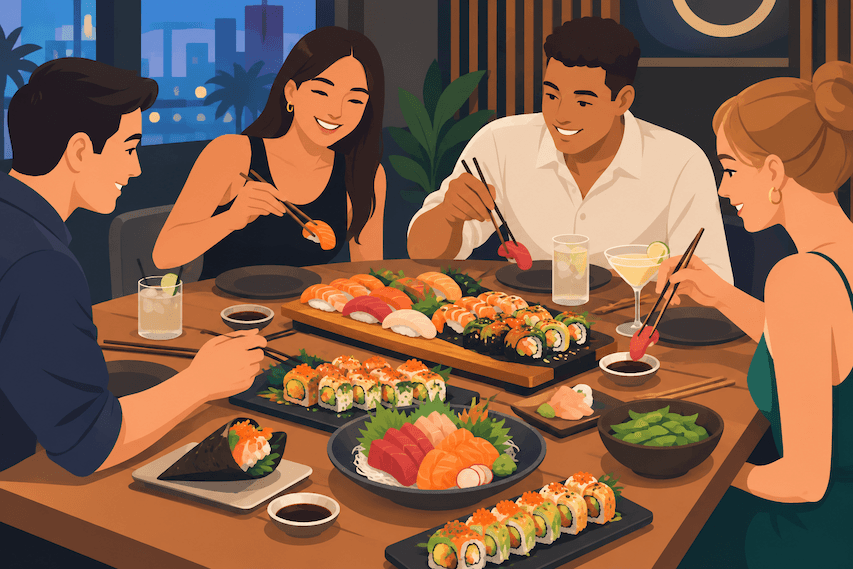
Groups have the advantage of being able to sample more dishes. Choose a mix of seafood, cooked proteins, vegetables, and different textures so the table doesn’t become too repetitive.
A group might begin with edamame and dumplings, add bao buns or chicken yakitori, and share a mixed sashimi platter for guests who want raw seafood.
Before ordering, check whether anyone has food allergies or dietary restrictions. Confirm ingredients with the restaurant, particularly for sauces, dumpling fillings, and shared dishes.
For Diners Who Avoid Raw Fish
You can still enjoy a varied Japanese-inspired meal without sashimi or sushi.
Consider options such as:
Miso soup
Vegetable gyoza
Chicken yakitori
Super Crunch Shrimp
Japanese-inspired desserts
These dishes provide different textures and flavors without requiring raw fish. If you avoid seafood entirely, ask about ingredients and cross-contact in the kitchen before ordering.
8. What to Consider Before Choosing a Japanese Restaurant
The menu is only one part of the experience. If you’re comparing restaurants, a few practical details can help you decide where to dine.
Menu Variety
Look for a restaurant that offers more than one type of dish. A mix of appetizers, cooked items, seafood, desserts, and drinks makes it easier to accommodate different preferences.
Dietary Options
If you’re vegetarian, gluten-free, or managing food allergies, review the menu and contact the restaurant when necessary. A dish that appears suitable may still contain animal-based broth, wheat-based sauces, or other ingredients that aren’t immediately obvious.
Tokyo Sushi Speakeasy indicates that vegetarian and gluten-free options are available. However, individual dishes and preparation methods should be confirmed with the restaurant before ordering.
Atmosphere and Location
Consider whether you want a casual dinner, a date-night setting, or a lively evening with friends. The atmosphere can influence how long you stay, whether you prefer shared plates, and whether cocktails are part of your plans.
For diners exploring South Beach, Tokyo Sushi Speakeasy combines contemporary Japanese-inspired dishes with a speakeasy-style atmosphere at 1000 Collins Avenue in Miami Beach.
Reservations and Opening Hours
Check the restaurant’s current opening hours and reservation availability before visiting, especially if you’re planning a weekend dinner or celebrating a special occasion.
Tokyo Sushi Speakeasy lists its regular hours as Thursday through Sunday, from 5 PM to midnight. Check the official website and menu for current information before making plans.
Frequently Asked Questions
What Japanese food can I order besides sushi?
Popular options include sashimi, miso soup, gyoza, edamame, yakitori, steamed dumplings, tempura, and Japanese-inspired desserts. The available choices depend on the restaurant’s menu.
Is sashimi the same as sushi?
No. Sashimi is thinly sliced raw fish or seafood served without sushi rice. Sushi generally includes vinegared rice combined with ingredients such as fish, vegetables, or other toppings. Although sashimi is commonly served at sushi restaurants, it is a distinct dish.
What should I order at a Japanese restaurant if I don’t eat raw fish?
Look for cooked options such as chicken yakitori, vegetable gyoza, fried shrimp, miso soup, and suitable desserts. Check the menu and confirm ingredients with your server if you have allergies or other dietary requirements.
What are the best Japanese appetizers to share?
Edamame, gyoza, shumai, miso soup, and grilled skewers are popular choices to consider. For a more contemporary menu, bao buns and seared tuna may also be options. Choose a mix of textures and flavors to give everyone something different to try.
Are bao buns traditional Japanese food?
Bao buns originated in Chinese cuisine rather than traditional Japanese cuisine. However, bao-style dishes are common on some modern Asian-inspired restaurant menus. They can be a useful alternative if you’re looking for a soft bun filled with seafood, meat, or vegetables.
What drinks pair well with Japanese food?
Sake is a traditional choice, and different styles can complement a range of seafood and cooked dishes. Cocktails, beer, and nonalcoholic drinks may also work well, depending on the food and your personal preferences.
Can I enjoy a Japanese restaurant if I’m vegetarian?
Yes, depending on the menu. Vegetable gyoza, edamame, and certain vegetable-based dishes may be suitable, but ingredients vary. Miso broth, sauces, and dumpling fillings can contain animal products, so confirm the ingredients before ordering.
Where can I try Japanese food besides sushi in Miami Beach?
Tokyo Sushi Speakeasy, at 1000 Collins Avenue in Miami Beach, offers a menu that includes small plates, bao buns, sashimi, cooked appetizers, Japanese-inspired desserts, cocktails, and sake. Review the current menu and make a reservation through the restaurant’s official website if you plan to visit.
Discover More Than Sushi on Your Next Japanese Dining Experience
Japanese cuisine offers a wide range of flavors, textures, and preparations beyond sushi rolls. From savory gyoza and grilled chicken yakitori to fresh sashimi, bao buns, and matcha desserts, there are plenty of ways to create a meal that fits your preferences.
The best approach is to start with a few dishes that appeal to you, add something new to explore, and choose drinks or desserts that complement the meal. Sharing plates can make the experience even more enjoyable, especially when everyone at the table has different tastes.
If you’re exploring Japanese food in South Beach, visit Tokyo Sushi Speakeasy to review the menu and plan your next dinner.