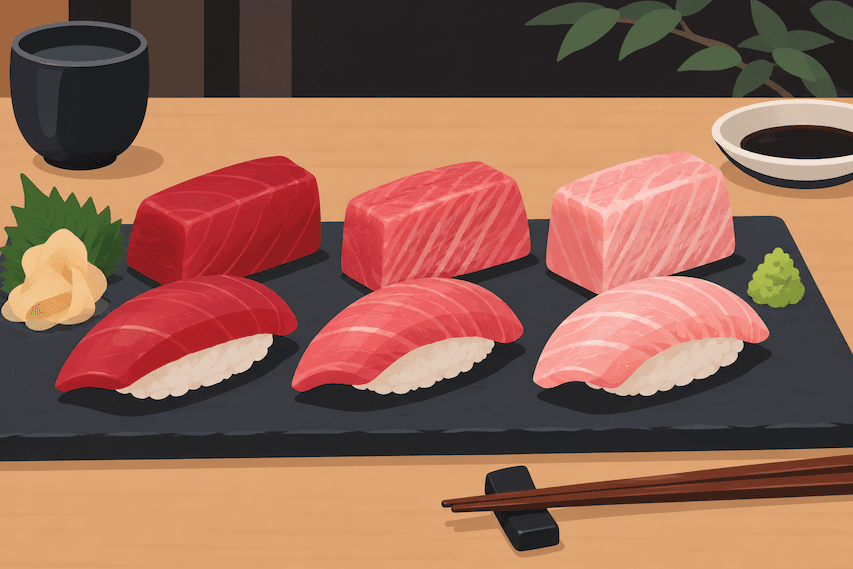
When comparing toro vs tuna sushi, the biggest difference is the amount of fat in the cut, which affects its texture, richness, and flavor. Akami is lean and clean-tasting, chutoro offers a balance of lean meat and marbling, and otoro is the richest, most buttery cut of tuna. All three come from tuna, but each delivers a different eating experience.
If you’re deciding what to order at a Japanese restaurant, understanding these differences can help you choose a cut that suits your taste. Whether you prefer a clean seafood flavor or a melt-in-your-mouth texture, knowing the basics makes ordering sushi more rewarding.
What Is the Difference Between Toro and Regular Tuna Sushi?
Toro refers to the fatty portion of tuna, while regular tuna sushi generally refers to a leaner cut, often called akami. The distinction comes down to where the meat is located on the fish and how much fat it contains.
Tuna is not one uniform ingredient. Different parts of the same fish can have noticeably different textures, colors, and levels of richness.
Here’s a quick comparison:
Feature | Akami (Regular Lean Tuna) | Chutoro (Medium-Fatty Tuna) | Otoro (Extra-Fatty Tuna) |
|---|---|---|---|
Fat content | Low | Moderate to high | Very high |
Texture | Firm and meaty | Tender with delicate marbling | Soft, silky, buttery |
Flavor | Clean, pronounced tuna taste | Rich with a balanced finish | Deep, rich, and luxurious |
Appearance | Deep red | Pinkish red with visible marbling | Pale pink with prominent fat streaks |
Typical experience | Simple and seafood-forward | Balanced and indulgent | Exceptionally rich |
Best for | Diners who prefer lean fish |
The exact appearance and richness vary with the tuna species, the individual fish, and the specific cut. Fat content isn’t identical in every serving.
What Is Akami in Sushi?
Akami is the lean, deep-red meat of tuna, known for its clean flavor and firmer texture. It is an excellent choice for diners who want to taste tuna itself without the pronounced richness of fatty cuts.
The word akami refers to the red meat. In sushi restaurants, it is often used to distinguish lean tuna from chutoro and otoro.
What Does Akami Taste Like?
Akami has a straightforward, savory seafood flavor with a firm but tender bite when properly handled. Because it contains less fat, its flavor is less buttery than toro and can feel more focused on the tuna itself.
You may notice:
A clean, meaty flavor.
A relatively firm texture.
Less richness on the palate.
A finish that doesn’t feel especially heavy.
For people who enjoy the taste of seafood without a rich, fatty mouthfeel, akami is often a natural starting point.
How Is Akami Usually Served?
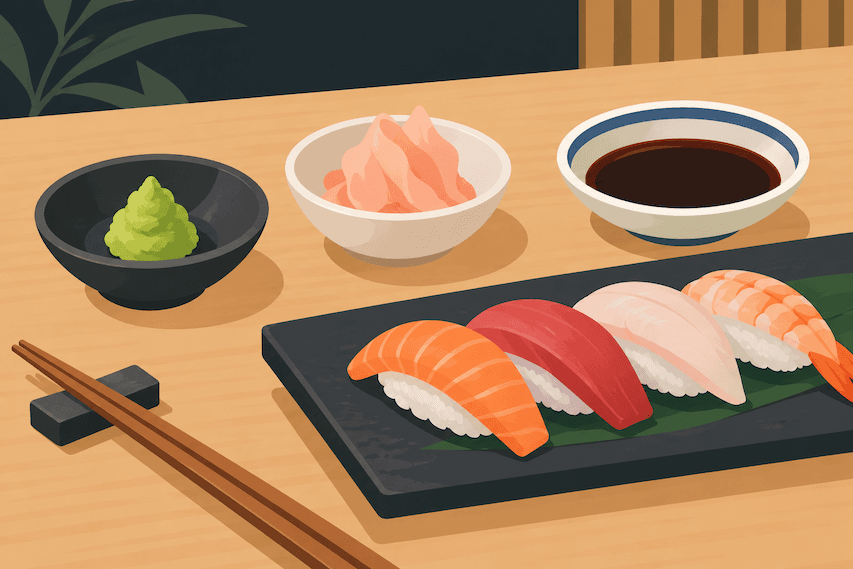
Akami is commonly served as nigiri or sashimi. Nigiri pairs a slice of tuna with seasoned sushi rice, while sashimi presents the fish without rice.
Both styles let the tuna remain the focus. Nigiri adds the mild acidity and texture of the rice, while sashimi gives you a more direct taste of the fish.
If you’re still learning how different sushi styles work, the complete guide to sushi types explains the differences between nigiri, sashimi, maki, and other popular preparations.
What Is Chutoro in Sushi?
Chutoro is a medium-fatty cut of tuna that sits between lean akami and rich otoro. Its marbling gives it a softer texture and fuller flavor while retaining some of the structure and character of lean tuna.
Chutoro is often prized by diners who want a richer bite without the intensity of the fattiest cut.
What Does Chutoro Taste Like?
Chutoro has a balanced flavor that combines tuna’s savory character with a smooth, fatty richness. The fat softens the texture and adds a more lingering finish than you typically get from akami.
Depending on the fish and cut, chutoro may offer:
A tender texture with some structure.
Visible streaks of fat through the meat.
A richer flavor than lean tuna.
A buttery finish that doesn’t feel quite as intense as otoro.
This balance makes chutoro an appealing choice for diners who enjoy both the flavor of tuna and the luxurious texture of fatty seafood.
How Is Chutoro Usually Served?
Chutoro is commonly enjoyed as nigiri or sashimi, where the cut can be appreciated without too many competing ingredients.
Nigiri is especially useful for tasting the relationship between the fish and the rice. The rice adds gentle acidity and a little structure, helping balance the richness of the tuna.
Because chutoro already has a distinctive flavor and texture, elaborate sauces aren’t necessary to appreciate it.
What Is Otoro in Sushi?
Otoro is the fattiest and generally richest of the three cuts, taken from the belly area of tuna. Its pronounced marbling creates a soft, buttery texture that many sushi enthusiasts consider one of the most indulgent tuna experiences.
Its appearance can range from pale pink to pinkish white, with visible streaks of fat. The exact look depends on the fish and the specific portion.
Why Is Otoro So Rich?
Otoro contains more intramuscular fat than akami, giving it a softer texture and a richer mouthfeel. As you chew, that fat creates a silky sensation that differs noticeably from the firmer texture of lean tuna.
The experience is often described as buttery, delicate, and deeply savory. However, otoro is not necessarily the best choice for everyone; diners who prefer a firmer bite or a more pronounced lean-tuna flavor may prefer akami.
How Is Otoro Usually Served?
Otoro is often served as nigiri or sashimi in restaurants that source and offer this particular cut. Minimal seasoning and simple presentation help showcase its natural richness.
Some chefs may lightly sear the surface or use a restrained garnish, but preparation varies by restaurant. Not every sushi menu carries otoro, and availability can depend on sourcing and supply.
Because of its rich flavor, you may find that a small serving is satisfying. Trying it alongside akami can also make the difference between lean and fatty tuna easier to appreciate.
Akami vs. Chutoro vs. Otoro: Which Should You Choose?
The best tuna cut depends on whether you prefer a clean, firm bite or a richer, softer texture. Akami suits diners who enjoy lean tuna, chutoro works well for those who want a balance, and otoro is ideal for people who seek pronounced richness.
Use this guide to match the cut to your preferences.
If You Prefer… | Consider | Why |
|---|---|---|
A clean, pronounced tuna flavor | Akami | Its lower fat content lets the lean meat stand out |
A balance of flavor and richness | Chutoro | Its marbling adds tenderness without overwhelming the tuna flavor |
A very soft, buttery texture | Otoro | Its higher fat content creates a richer mouthfeel |
A less rich sushi experience | Akami | It generally feels lighter on the palate |
A special-occasion tasting | Chutoro or otoro | Both offer a different experience from lean tuna |
These are general preferences, not strict rules. Tuna quality, temperature, slicing, and preparation also influence how each cut tastes.
Is Otoro Always Better Than Akami?
No. Otoro is generally fattier and more luxurious, but that doesn’t automatically make it better than akami. The best cut is the one that matches your personal taste.
Some diners prefer the clean, focused flavor of lean tuna. Others enjoy the softness and richness of fatty tuna. A balanced tasting that includes different cuts can be more informative than assuming the most expensive or fattest option is always the best.
Is Tuna Nigiri Different From Tuna Sashimi?
Tuna nigiri and tuna sashimi can feature the same cut of fish, but they are served differently. Nigiri combines a slice of tuna with seasoned sushi rice, while sashimi presents slices of fish without rice.
The distinction matters because the rice changes the overall balance of each bite.
Feature | Tuna Nigiri | Tuna Sashimi |
|---|---|---|
Rice | Included | Not included |
Main focus | Fish and rice together | Fish on its own |
Texture | Combines fish with soft rice | Highlights the texture of the fish |
Flavor balance | Fish, rice acidity, and seasoning | More direct tuna flavor |
Best for | A balanced, complete bite | Comparing the fish’s flavor and texture |
Both preparations can work well with akami, chutoro, or otoro, depending on what the restaurant offers.
For a more detailed look at how sushi styles differ, explore the sushi types guide.
How Can You Tell If Tuna Is Lean or Fatty?
Lean tuna generally appears deep red with relatively little visible marbling, while fattier tuna often looks lighter and shows more streaks of fat. Color alone, however, cannot reliably establish the cut, quality, freshness, or safety of the fish.
A few visual clues can help you understand what you’re looking at:
Akami: Usually deep red and relatively uniform in appearance.
Chutoro: Often pinkish red with noticeable but moderate marbling.
Otoro: Often lighter pink, with more prominent white or pale streaks of fat.
These are general characteristics rather than definitive tests. Lighting, handling, tuna species, oxidation, and the exact location of the cut can affect appearance.
If you’re unsure which cut you’re being served, ask the restaurant staff. They can explain the type of tuna and preparation more reliably than appearance alone.
What Should You Order If You’re Trying Fatty Tuna for the First Time?
If you’re new to fatty tuna, starting with chutoro can be a comfortable way to explore its richer texture without going straight to otoro. If you already enjoy lean seafood, comparing akami and chutoro can help you identify which balance of flavor and fat you prefer.
Here is a simple tasting approach:
Start with akami. Notice its firmer texture and clean tuna flavor.
Try chutoro next. Compare how the extra fat changes the texture and finish.
Finish with otoro, if available. Pay attention to its softness and richer mouthfeel.
Keep the seasoning simple. Avoid adding so much sauce or wasabi that the differences become difficult to notice.
Compare the cuts side by side when possible. Tasting them in the same meal makes their contrasts easier to recognize.
You don’t need to be a sushi expert to enjoy this comparison. Focus on which texture and flavor you prefer rather than trying to identify a single correct answer.
How Should You Pair Drinks With Tuna Sushi?
The best drink pairing depends on the cut and the overall richness of the meal. A crisp, clean beverage can complement lean akami, while a drink with more body can work with richer tuna, provided it doesn’t overpower the fish.
Sake is one option, but your choice can also include water or a suitable cocktail.
A few general principles can help:
Akami: Try a clean, dry drink that won’t overshadow the fish’s flavor.
Chutoro: Choose a balanced pairing that complements both the savory taste and the added richness.
Otoro: Consider a refreshing drink that helps keep the meal from feeling too heavy.
There isn’t one mandatory pairing for each cut. Personal preference, seasoning, and the rest of the meal all matter.
If you want to explore Japanese beverage styles, this guide to Junmai, Ginjo, Daiginjo, and Nigori sake explains how their flavor profiles differ and what to consider when ordering.
Can You Order Akami, Chutoro, and Otoro at Every Sushi Restaurant?
No. Many sushi restaurants offer regular tuna, but not all carry chutoro or otoro. Availability depends on sourcing, seasonal supply, the restaurant’s menu, and the types of tuna cuts it purchases.
A menu that lists tuna nigiri or tuna sashimi doesn’t necessarily mean all three cuts are available.
Before ordering, consider asking:
Is the tuna lean akami, fatty toro, or another cut?
Is chutoro or otoro available today?
Is the cut served as nigiri, sashimi, or in another preparation?
Is the item a regular menu selection or a limited special?
These questions can help you understand what you’re ordering without making assumptions about the restaurant’s supply.
What Tuna Options Are Listed at Tokyo Sushi Speakeasy?
Tokyo Sushi Speakeasy’s currently published menu lists tuna nigiri, tuna sashimi, spicy tuna, and tuna-containing signature rolls. It does not explicitly identify akami, chutoro, or otoro as separate menu items, so confirm availability with the restaurant before ordering a specific cut.
The menu lists tuna nigiri as two pieces for $10 and tuna sashimi as five pieces for $20. These are the listed prices at the time of writing and may change.
You can review the Tokyo Sushi Speakeasy menu for current offerings. If you’re interested in a particular tuna cut, ask the team whether it is available rather than assuming the standard tuna listing refers to akami or toro.
Frequently Asked Questions About Toro vs. Tuna Sushi
Is toro the same as tuna?
Toro is tuna, but the term refers specifically to its fatty portions. Regular tuna sushi often uses leaner meat, commonly called akami.
Which is fattier, chutoro or otoro?
Otoro is generally fattier than chutoro. Chutoro has a moderate level of marbling, while otoro is prized for its especially rich, buttery texture.
Is akami raw tuna?
Akami is a lean cut of tuna that is commonly served raw as nigiri or sashimi. Its preparation depends on the dish, so check the menu or ask the restaurant if you need to know how a particular serving is prepared.
Does toro taste different from regular tuna?
Yes. Toro generally tastes richer and feels softer because it contains more fat. Akami has a firmer texture and a cleaner, more direct tuna flavor.
Is chutoro a good choice for beginners?
Chutoro can be a good introduction to fatty tuna because it offers more richness than akami without the full intensity of otoro. However, diners who prefer lean seafood may still favor akami.
Is otoro always the most expensive tuna cut?
Otoro is often priced at a premium because of its desirable texture and limited availability, but prices vary by restaurant, sourcing, and serving size. Check the actual menu rather than assuming a fixed price.
Can you get toro in a sushi roll?
Yes. Fatty tuna can be used in rolls as well as nigiri and sashimi, depending on the restaurant’s menu and preparation style. Some establishments reserve premium cuts for simpler presentations that highlight the fish.
How do I know whether a restaurant serves otoro?
Check the current menu for an explicit otoro or toro listing, or ask the restaurant directly. A generic tuna item does not guarantee that the restaurant offers specific fatty cuts.
Final Thoughts: Which Tuna Cut Is Right for You?
The difference between toro and regular tuna sushi comes down primarily to fat content, texture, and flavor. Akami offers a clean, firm bite; chutoro brings a balance of tuna flavor and richness; and otoro delivers a notably buttery, indulgent experience.
If you’re exploring tuna sushi for the first time, start with the flavor profile you already enjoy and try another cut when the opportunity arises. Comparing them side by side can help you discover whether you prefer lean tuna or the richer character of toro.
For your next sushi dinner, review the Tokyo Sushi Speakeasy menu and ask about the available tuna selections. A simple question about the cut can make your next order more informed and enjoyable.