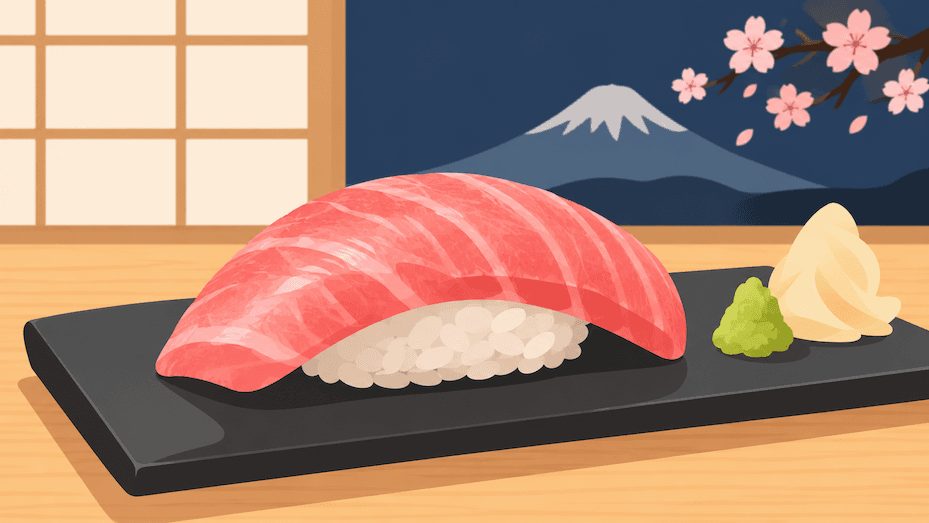
When exploring premium sushi, few ingredients are as prized as toro. Known for its rich flavor, delicate marbling, and buttery texture, toro is a special cut of fatty tuna that offers a very different experience from the lean red tuna commonly found on sushi menus.
In Japanese cuisine, toro refers to the fatty belly portion of tuna. Depending on its fat content and location on the fish, it is generally divided into two main cuts: chutoro (medium-fatty tuna) and otoro (extra-fatty tuna). Both are popular choices for sushi and sashimi, especially among diners who appreciate premium seafood.
But what makes toro so special? How does it compare with regular tuna, and which cut should you try first? Here’s everything you need to know before ordering.
What Is Toro Sushi?
Toro sushi is a Japanese sushi preparation made with the fatty belly meat of tuna, prized for its rich taste, soft texture, and delicate marbling. Unlike regular lean tuna, toro contains more natural fat, giving it a buttery mouthfeel and a fuller flavor.
The Japanese word toro describes the fatty portion of tuna, rather than a specific species of fish. It is commonly associated with bluefin tuna, although the terminology can also be used for fatty cuts from other tuna species.
Toro is often served as nigiri or sashimi, allowing diners to appreciate the fish without too many additional ingredients.
Its appeal comes from several characteristics:
Rich natural fat: Gives the fish a smooth, buttery texture.
Delicate flavor: Offers a mild sweetness and savory depth.
Distinctive marbling: Visible streaks of fat create a different appearance from lean tuna.
Tender texture: High-fat cuts can feel exceptionally soft and almost melt in the mouth.
Premium appeal: The limited amount of fatty belly meat available from each tuna contributes to its reputation as a specialty ingredient.
For sushi enthusiasts, toro is an opportunity to experience a different side of tuna beyond the familiar lean red cuts.
What Are the Different Types of Toro?
Toro is generally divided into two main categories: chutoro and otoro. The difference comes down to their fat content, location on the tuna, and overall eating experience.
Understanding these cuts makes it easier to choose the type that matches your preferences.
What Is Chutoro?
Chutoro is medium-fatty tuna found primarily along the belly and certain areas of the back. It offers a balance between the rich texture of fatty tuna and the deeper, meatier flavor of lean tuna.
Its appearance is usually pinkish-red with visible white streaks of fat. Compared with otoro, chutoro has more structure and a less intense richness.
Chutoro is a good choice if you want to experience fatty tuna without an overwhelmingly buttery texture.
What makes chutoro special?
Moderate fat content and delicate marbling.
A smooth but slightly firm texture.
A balance of natural sweetness and savory tuna flavor.
Less richness than otoro.
Versatility in both nigiri and sashimi preparations.
For first-time toro diners, chutoro is often an approachable starting point because it provides a taste of premium fatty tuna while retaining the familiar flavor of regular tuna.
What Is Otoro?
Otoro is the fattiest and often most luxurious cut of tuna. It comes from the belly, particularly the areas closer to the head, where fat deposits create pronounced marbling.
Its color can range from pale pink to a creamy, almost white appearance, depending on the fish and the specific cut.
When served properly, otoro has an exceptionally tender texture. Its natural fat softens quickly in the mouth, creating the rich, melt-in-your-mouth sensation that makes it highly sought after.
Why do sushi lovers appreciate otoro?
It has a higher fat content than chutoro.
Its texture is exceptionally soft and delicate.
It delivers a rich, buttery flavor.
Its marbling creates an attractive appearance.
It is generally a more expensive specialty cut.
Otoro is particularly appealing to diners who enjoy rich seafood and want to experience one of the most indulgent forms of traditional tuna sushi.
What Is Akami, and How Does It Compare?
Akami is the lean, deep-red portion of tuna found mainly along the back. Although it is not technically toro, it is important to understand because it provides a useful comparison.
Akami has a firmer texture and a cleaner, more pronounced tuna flavor. It contains considerably less fat than either chutoro or otoro.
Rather than being less desirable, akami offers a different experience that many sushi enthusiasts appreciate for its straightforward seafood flavor.
Tuna Cut | Fat Content | Texture | Flavor |
|---|---|---|---|
Akami | Low | Firm and meaty | Clean, savory, pronounced tuna flavor |
Chutoro | Medium | Smooth and tender | Balanced, slightly sweet, rich |
Otoro | High | Very soft and buttery | Rich, delicate, intensely savory |
The three cuts demonstrate how different parts of the same fish can produce distinct sushi experiences.
What Does Toro Sushi Taste Like?
Toro sushi has a rich, buttery taste with a delicate sweetness and savory seafood character. Its natural fat creates a smooth mouthfeel that distinguishes it from the firmer, leaner texture of regular tuna.
The exact flavor depends on the tuna species, the cut, freshness, handling, and preparation.
Here are some qualities you can expect:
A Buttery Texture
The most recognizable feature of toro is its texture. The natural fat creates a soft, silky sensation that makes the fish feel especially tender.
Otoro is usually the most pronounced example, while chutoro retains a little more structure.
Mild Sweetness
Good-quality toro can have a subtle natural sweetness that complements its savory seafood flavor. The fat contributes to a fuller taste without necessarily making the fish feel heavy.
Delicate Umami
Umami is the savory taste often associated with ingredients such as seafood, mushrooms, and fermented foods. Toro delivers this quality alongside its natural richness.
A Clean Seafood Finish
Despite its richness, well-handled toro should have a clean seafood flavor. It should not taste unpleasantly fishy or have an overpowering odor.
The combination of tenderness, sweetness, and savory depth is what makes toro different from ordinary tuna sushi.
How Is Toro Sushi Prepared?
Toro is prepared with careful attention to cutting, temperature, and presentation. Because the fish contains delicate fat, handling it properly helps preserve its texture and flavor.
The preparation method may vary depending on the restaurant and the chef’s preferred style.
1. Selecting the Tuna
The process begins with selecting suitable tuna. Chefs and seafood professionals consider the species, cut, color, marbling, freshness, and handling history.
The quality of the fish is important because toro is often served with minimal seasoning.
2. Separating the Fatty Cuts
The tuna is broken down into different sections. The lean portions are separated from the fattier belly cuts.
The fatty portions are then identified as chutoro or otoro according to their characteristics.
3. Cutting the Fish
The chef uses a sharp sushi knife to slice the tuna into appropriate portions.
The thickness, angle, and direction of the cut can influence the texture and how the fish sits on the rice.
4. Preparing the Sushi Rice
For toro nigiri, the chef prepares seasoned sushi rice and forms it into a small, compact portion.
The rice should support the fish without overpowering its delicate flavor.
5. Combining and Serving
The sliced toro is placed over the rice to create nigiri. It may be served with a small amount of wasabi or another subtle finishing touch.
For sashimi, the fish is presented without rice, allowing diners to focus entirely on its flavor and texture.
Toro Nigiri vs. Toro Sashimi: What’s the Difference?
Toro can be enjoyed as either nigiri or sashimi. The main difference is that nigiri combines the fish with seasoned sushi rice, while sashimi presents the sliced tuna on its own.
Both preparations highlight the quality of the fish but offer slightly different dining experiences.
Feature | Toro Nigiri | Toro Sashimi |
|---|---|---|
Main ingredients | Toro and seasoned sushi rice | Sliced toro |
Presentation | Fish placed over rice | Fish served without rice |
Texture | Soft fish with tender rice | Purely delicate tuna texture |
Flavor experience | Balanced with seasoned rice | Focuses on the natural tuna flavor |
Best for | A complete sushi bite | Appreciating the fish on its own |
Which one should you order?
Choose toro nigiri if you enjoy the combination of premium seafood and seasoned rice. Choose toro sashimi if you want to appreciate the natural texture and flavor of the tuna without additional ingredients.
If you’re exploring different Japanese sushi preparations, you can also learn about gunkan sushi and its unique presentation.
Is Toro Sushi Different From Regular Tuna Sushi?
Yes. The biggest difference between toro and regular tuna sushi is the amount of natural fat in the cut. Regular tuna sushi commonly uses akami, while toro comes from the fattier portions of the fish.
This difference affects taste, texture, appearance, and price.
Comparison | Regular Tuna (Akami) | Toro |
|---|---|---|
Color | Deep red | Pink to pale pink |
Fat content | Low | Medium to high |
Texture | Firm | Soft and tender |
Flavor | Meaty and pronounced | Rich, buttery, and delicate |
Marbling | Minimal | More visible |
Typical price | More accessible | Usually more expensive |
Neither option is automatically better. It depends on what you enjoy.
If you prefer a strong, clean tuna flavor, akami may be the better choice. If you enjoy softer textures and richer seafood, toro is worth trying.
Why Is Toro Sushi So Expensive?
Toro is often more expensive than regular tuna sushi because only a limited portion of each fish contains the desirable fatty belly meat. Its premium reputation, careful handling, and demand among sushi enthusiasts also contribute to its price.
Several factors influence the cost:
Limited Availability
A tuna produces considerably less fatty belly meat than lean meat. This makes premium cuts more limited and difficult to obtain in large quantities.
Tuna Species and Quality
The species, size, condition, and overall quality of the fish can influence the value of its toro.
Bluefin tuna is particularly associated with premium toro, although not every toro offering necessarily comes from bluefin.
Cutting and Preparation Skills
Working with fatty tuna requires careful handling and precise knife work. A chef must understand the fish’s structure to prepare clean, attractive portions.
Sourcing and Handling
The quality of the seafood supply chain matters. Proper temperature control, storage, transportation, and preparation help preserve the fish’s texture and quality.
Demand for Premium Sushi
Toro is popular among diners looking for specialty sushi experiences. Its reputation as a luxurious ingredient contributes to its higher market value.
The price can vary considerably between restaurants, suppliers, tuna species, and specific cuts.
How Should You Eat Toro Sushi?
The best way to enjoy toro is to keep the experience simple. Its natural richness is the main attraction, so avoid adding too much soy sauce or other strong condiments that could overpower the fish.
If you’re trying toro for the first time, these tips can help:
Start with a clean palate. Enjoy a sip of water or a small piece of plain sushi rice before tasting the tuna.
Look at the marbling. Notice the color and distribution of the fat within the fish.
Take a complete bite. For nigiri, try eating the fish and rice together to experience their balance.
Use soy sauce sparingly. A small amount is usually enough if the sushi has not already been seasoned.
Try it without additional sauce. This allows you to appreciate the natural flavor of the tuna.
Compare different cuts. If available, taste chutoro and otoro to understand their differences.
You can also ask your server whether the chef recommends a particular preparation or pairing.
What Drinks Pair Well With Toro Sushi?
Drinks with clean, refreshing, or lightly aromatic profiles can complement toro’s natural richness. The goal is to balance the buttery texture without overwhelming the delicate flavor of the tuna.
Here are a few options worth considering.
Junmai Sake
Junmai sake offers a rice-forward flavor that can complement the savory character of tuna. Depending on the bottle, it may have a clean, dry, or fuller profile.
Ginjo Sake
Ginjo sake is often appreciated for its delicate aromas and smoother drinking experience. Its lighter character can work particularly well with delicate seafood.
Japanese Whisky
Japanese whisky can provide a different pairing experience. Its depth and complexity may appeal to diners who prefer a more spirit-forward drink, although stronger expressions can overpower delicate toro.
Light and Citrus-Based Cocktails
Citrus-forward cocktails can provide a refreshing contrast to rich seafood. Look for drinks with balanced acidity rather than excessive sweetness.
At Tokyo Sushi Speakeasy, the cocktail and sake selections provide options for different preferences. You can explore the Tokyo Sushi Speakeasy dining experience to learn more about its Japanese-inspired dining and cocktail atmosphere.
How Do You Choose Good-Quality Toro Sushi?
Good-quality toro should have an appealing appearance, a clean aroma, and a delicate texture. However, visual appearance alone cannot confirm freshness or proper handling.
If you’re ordering toro at a sushi restaurant, consider these points:
Appearance: The color should look natural and appropriate for the specific cut, with visible marbling in fatty portions.
Texture: The fish should look moist and well-cut rather than dry or damaged.
Aroma: Fresh tuna should have a clean, mild seafood smell.
Preparation: Slices should be neatly cut and presented with care.
Temperature: Raw seafood should be handled and served at appropriate food-safe temperatures.
Transparency: Ask about the tuna species, cut, and availability if these details matter to you.
A knowledgeable sushi chef or server should be able to explain what type of tuna is being served.
Remember that toro is a premium ingredient, but the name alone does not guarantee the same quality across every restaurant.
Can You Try Premium Tuna at Tokyo Sushi Speakeasy in Miami Beach?
Tokyo Sushi Speakeasy offers a modern Japanese dining experience in South Beach, combining sushi, sashimi, signature rolls, sake, and handcrafted cocktails. Its menu includes tuna nigiri and tuna sashimi, giving guests options to explore different tuna preparations.
Located at 1000 Collins Avenue in Miami Beach, the restaurant brings Japanese-inspired dining together with an intimate speakeasy atmosphere.
If you’re interested in exploring premium tuna, you can:
Browse the Tokyo Sushi Speakeasy menu to see the current sushi and sashimi selections.
Ask the server whether chutoro or otoro is available as a specialty or seasonal offering.
Explore different tuna preparations, including nigiri and sashimi.
Consider pairing your meal with sake or one of the restaurant’s signature cocktails.
It’s worth confirming toro availability directly with the restaurant, as the currently published menu lists tuna nigiri and tuna sashimi but does not specifically identify chutoro or otoro.
Tokyo Sushi Speakeasy is located at:
Tokyo Sushi Speakeasy
1000 Collins Ave, Miami Beach, FL 33139
Hours: Thursday–Sunday, 5 PM–12 AM
Phone: (786) 728-9318
Reservations are recommended, especially for weekend dining.
Frequently Asked Questions About Toro Sushi
Is toro sushi raw tuna?
Yes. Toro is commonly served raw as nigiri or sashimi, allowing diners to appreciate its natural fat, texture, and flavor. Preparation and serving methods may vary by restaurant.
Is toro the same as otoro?
No. Toro is the general term for fatty tuna, while otoro refers specifically to the fattiest cut. Chutoro is the medium-fatty variety.
Which is better, chutoro or otoro?
Neither is universally better. Chutoro offers a balance of richness and tuna flavor, while otoro provides a more buttery and intensely fatty experience. The best choice depends on personal preference.
Is toro sushi healthy?
Toro provides protein and naturally occurring fats, including omega-3 fatty acids. However, its fat content is higher than that of lean tuna, so nutritional values vary by cut and serving size. Raw tuna can also contain mercury, making portion size and consumption frequency important considerations.
Why does toro melt in your mouth?
Toro contains more natural fat than lean tuna. This fat contributes to its soft texture and helps create the melt-in-your-mouth sensation associated with premium fatty tuna.
Is bluefin tuna always used for toro?
No. Bluefin tuna is strongly associated with premium toro, but fatty tuna cuts can also come from other tuna species. If the species is important to you, ask the restaurant or supplier.
What is the difference between toro nigiri and toro sashimi?
Toro nigiri combines fatty tuna with seasoned sushi rice, while toro sashimi consists of sliced fatty tuna served without rice. Both highlight the fish’s flavor in different ways.
Is toro more expensive than regular tuna?
Generally, yes. Toro is a limited fatty cut that often commands a higher price than lean tuna. Otoro is typically more expensive than chutoro because of its higher fat content and premium positioning.
What is the best toro cut for beginners?
Chutoro is often a good starting point. It provides the richness of fatty tuna while retaining enough of the familiar flavor and texture of regular tuna.
Final Thoughts: Is Toro Sushi Worth Trying?
Toro sushi is worth trying if you appreciate premium seafood, delicate textures, and the natural richness of tuna. Its distinctive buttery mouthfeel and subtle sweetness make it different from the lean tuna commonly found on sushi menus.
Whether you choose the balanced richness of chutoro or the indulgent texture of otoro, understanding the different cuts can make your next sushi experience more enjoyable.
If you’re exploring Japanese dining in Miami Beach, Tokyo Sushi Speakeasy offers tuna nigiri, tuna sashimi, signature rolls, and handcrafted drinks in a distinctive South Beach setting. Check the current menu and ask about specialty tuna availability when planning your visit.