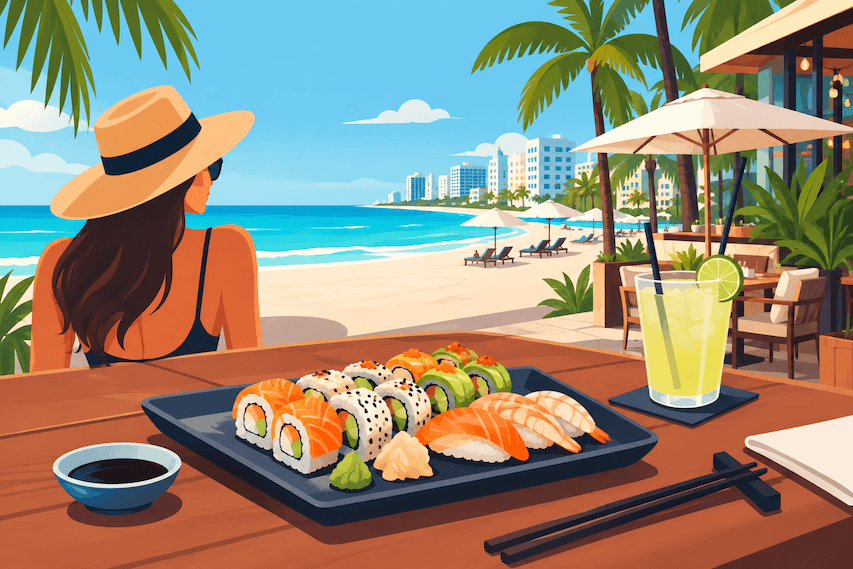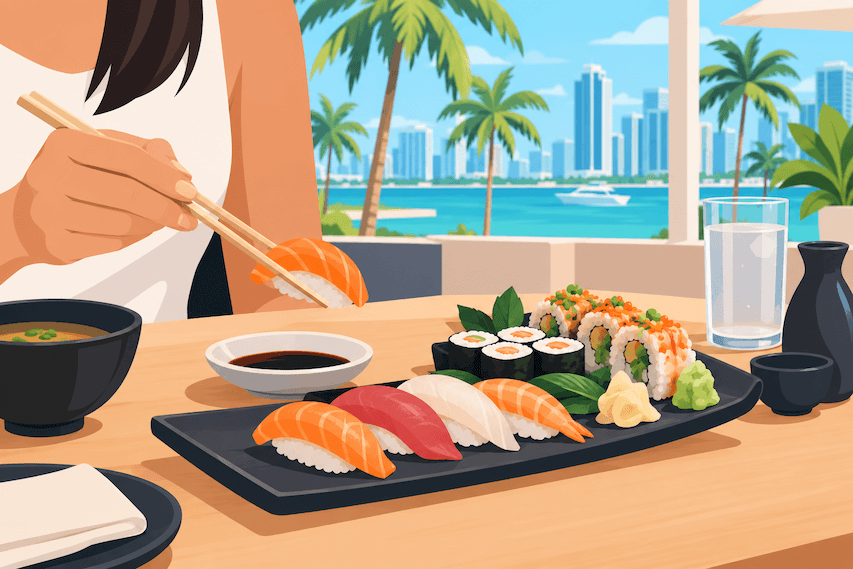
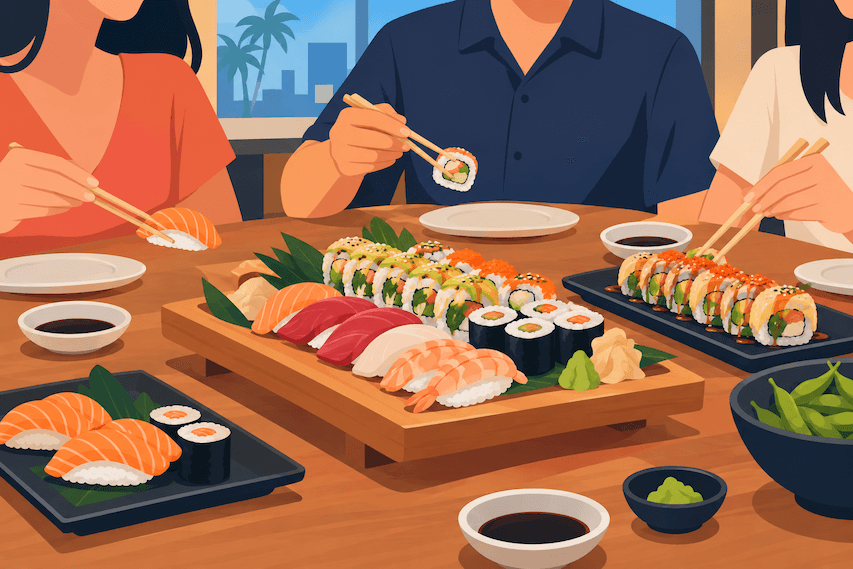
Knowing how much sushi to order per person helps you plan a satisfying meal without ordering too much or leaving the table hungry. As a general starting point, plan for about 8–12 pieces per adult for a sushi-focused dinner, or around 6–8 pieces when sharing sushi with appetizers and other dishes. The right amount depends on appetite, the type of sushi, and whether you’re ordering a full meal or a lighter dinner.
Whether you’re planning a date night, meeting friends for dinner, or organizing a group outing in Miami Beach, understanding portion sizes makes ordering easier. With a little planning, you can enjoy a variety of flavors and textures while keeping your meal balanced.
How Much Sushi Should You Order Per Person?
Most adults can start with 8–12 pieces of sushi for a main meal, while lighter eaters may prefer 6–8 pieces and people with larger appetites may want 12–16 pieces. These are practical estimates rather than fixed serving standards, so adjust them based on the other dishes being served.
Sushi portions vary because an individual piece of nigiri is different in size and composition from a slice of sashimi or a piece of a specialty roll. Rice-heavy rolls, fried ingredients, rich sauces, and appetizers can also make a meal more filling.
Use this quick guide when planning your order:
Dining style | Suggested amount per person |
|---|---|
Light meal or snack | 4–6 pieces |
Sushi with appetizers | 6–8 pieces |
Standard sushi dinner | 8–12 pieces |
Larger appetite | 12–16 pieces |
Sushi-focused meal with minimal sides | 12–16+ pieces |
These estimates assume that sushi pieces are the main unit of measurement. Appetizers, sashimi portions, and other shared dishes should be considered separately.
For a more varied meal, combine different preparations rather than ordering several similar rolls. For example, a selection of a classic roll, a signature roll, and a few pieces of nigiri offers different textures and flavors in one sitting.
How Many Sushi Rolls Should You Order Per Person?
One standard roll containing eight pieces can be a reasonable starting point for a light-to-moderate meal, but many adults may want more for dinner. If you’re ordering appetizers or sharing other dishes, one roll per person may be enough; otherwise, plan for additional pieces or another shared roll.
A simple estimate for a group is to divide the total number of desired sushi pieces by eight, then round up when you want a little extra variety.
Number of diners | Starting estimate for a sushi-focused meal |
|---|---|
1 person | 1–2 rolls |
2 people | 2–3 rolls |
3 people | 3–5 rolls |
4 people | 4–6 rolls |
6 people | 6–9 rolls |
These are planning estimates, not guarantees of how much everyone will eat. The lower end may work well when guests have smaller appetites or additional dishes, while the higher end suits groups that want sushi to be the centerpiece of dinner.
Before ordering, check how many pieces each roll contains. At Tokyo Sushi Speakeasy, the signature and classic rolls listed on the full sushi menu are served in eight-piece portions. That makes it easier to estimate the amount of sushi you’re ordering.
Keep in mind that eight pieces of a rich specialty roll may feel more filling than eight pieces of a simpler roll. Ingredients such as tempura shrimp, cream cheese, avocado, and rich sauces can influence how satisfying a roll feels.
How Much Nigiri and Sashimi Should You Order?
Nigiri and sashimi require separate portion estimates because nigiri includes rice while sashimi consists of sliced fish served without rice. For a mixed sushi dinner, a few pieces of each can provide variety without making the meal too large.
At Tokyo Sushi Speakeasy, the menu lists nigiri in two-piece orders and sashimi in five-piece orders. These serving sizes are useful when deciding how many orders to share.
How Many Pieces of Nigiri Should You Order?
Two to four pieces of nigiri per person can be a good starting point when you’re also ordering rolls. If nigiri is the main focus of your meal, you may want more, depending on your appetite and how much rice you prefer.
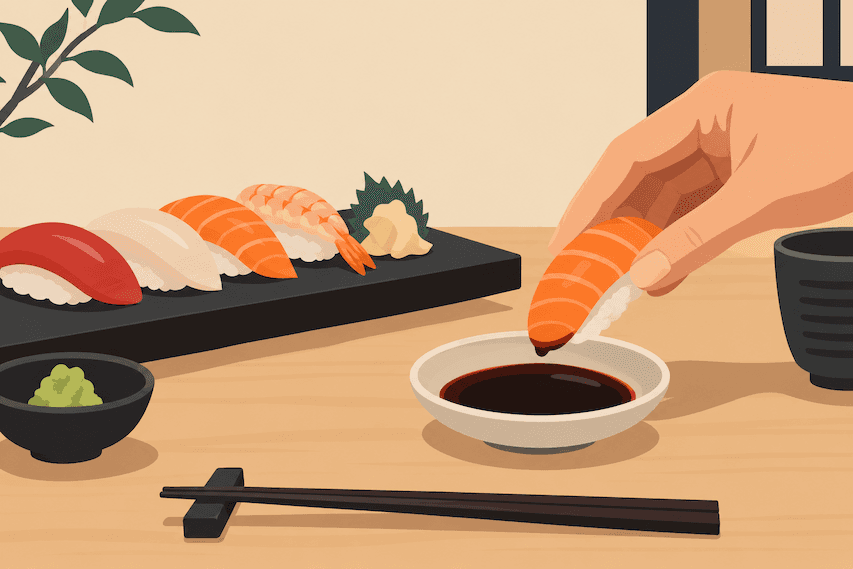
Nigiri pairs a small portion of seasoned rice with a topping, often fish or seafood. Its compact size makes it useful for sampling different varieties without committing to a full roll.
For example, two diners could share four pieces of nigiri alongside two rolls and an appetizer. This gives both guests an opportunity to try different preparations while keeping the order manageable.
If you’re unfamiliar with the options, the restaurant’s sushi types guide explains the differences between nigiri, maki, sashimi, and other styles.
How Many Pieces of Sashimi Should You Order?
A five-piece sashimi order can work as a shared tasting portion or an addition to a meal with rolls and nigiri. If sashimi is your primary choice, plan on multiple orders depending on your appetite and the number of people dining.
Unlike nigiri, sashimi does not include rice. This makes it a useful choice for guests who want to focus on the flavor and texture of the fish without adding more rice-based dishes.
For two people, one sashimi order alongside a couple of rolls can add variety. For a larger group, consider sharing several sashimi selections rather than ordering the same variety for everyone.
Remember that sashimi portions and sushi pieces are not directly interchangeable. Use the number of pieces as a guide, but also consider the size of each serving and what else is on the table.
How Should You Combine Sushi Rolls, Nigiri, and Appetizers?
The easiest way to plan a balanced sushi dinner is to choose a mix of rolls, nigiri, and one or two appetizers for the table. This approach offers variety while reducing the risk of ordering too many rice-heavy dishes.
Start by deciding whether sushi or shared appetizers will make up most of the meal. Then build the order around that choice.
For a couple, a practical starting point might look like this:
Two eight-piece sushi rolls, providing 16 pieces to share.
One two-piece nigiri order for a small additional tasting.
One shared appetizer, such as gyoza or edamame.
This combination gives two diners a variety of flavors without requiring a large initial order. If you’re both hungry, you can add another roll or nigiri order after seeing how filling the first dishes are.
For a group of four, consider starting with:
Four rolls, providing 32 sushi pieces.
Two nigiri orders, providing four pieces.
One or two shared appetizers.
This is a flexible starting point rather than a strict formula. Larger appetites may call for more sushi, while a group that orders several appetizers may need less.
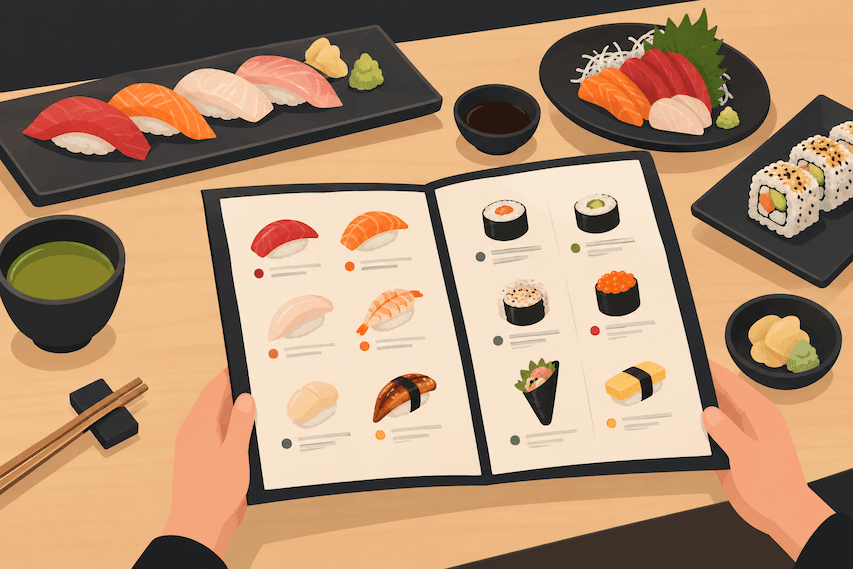
Tokyo Sushi Speakeasy’s menu includes small plates such as truffled edamame, gyoza, and shrimp dumplings, along with signature rolls, classic rolls, nigiri, and sashimi. Reviewing the available options before visiting can help you build a varied order.
How Much Sushi Should You Order for Two People?
For two adults, start with two rolls and one shared appetizer for a lighter dinner, or consider three rolls with a small nigiri or sashimi order for a more substantial meal. Adjust the amount based on appetite and whether you’ll be ordering additional dishes.
A couple’s order should offer enough variety for both people to sample different flavors. Ordering several completely different dishes can be more enjoyable than ordering multiple versions of the same roll.
Here are two ways to plan a dinner for two:
Meal plan | Suggested order |
|---|---|
Light dinner | 2 rolls and 1 appetizer |
Balanced dinner | 2–3 rolls and 1 nigiri order |
Sushi-focused dinner | 3 rolls and 1 sashimi order |
Larger appetite | 3–4 rolls, plus nigiri or appetizers as desired |
These combinations are starting points, not exact calorie or serving recommendations. The best choice depends on the size of the rolls, the richness of their ingredients, and how hungry you are.
For a special evening, you may also want to consider the atmosphere and pacing of the meal rather than ordering everything at once. Tokyo Sushi Speakeasy’s date-night dining experience offers additional context for planning a dinner in South Beach.
How Much Sushi Should You Order for a Group?
For a group, estimate the amount of sushi per person first, then combine everyone’s preferences into a shared order. For example, four adults might begin with four rolls and add appetizers or nigiri depending on how hungry the group is.
Group dining becomes easier when you order several varieties for the center of the table. This lets guests sample different ingredients without requiring every person to choose an individual meal.
Use these tips when planning a group order:
Ask about preferences. Find out whether guests prefer cooked seafood, raw fish, vegetarian options, or specialty rolls.
Start with variety. Choose a mix of classic rolls, signature rolls, and smaller portions of nigiri or sashimi.
Account for appetizers. Add shared starters to the overall meal plan instead of treating them as extras everyone will necessarily finish.
Order in stages. Begin with a reasonable selection and add more after everyone has had a chance to eat.
Confirm the final order. Check serving sizes and dietary needs with your server before ordering additional dishes.
For parties of 15 or more, Tokyo Sushi Speakeasy directs guests to contact its events team to plan ahead. You can find contact information and restaurant details on the official website.
What Factors Affect How Much Sushi You Need?
The number of sushi pieces you need depends on more than the number of people at the table. Appetite, ingredients, meal timing, and the other dishes being served all affect how much food will be satisfying.
Consider these factors before placing your order.
Does Your Appetite Affect Sushi Portions?
Yes. A person with a smaller appetite may feel satisfied with a few rolls and an appetizer, while someone who is very hungry may prefer a larger order. Treat standard portion estimates as a starting point and adjust to the people dining with you.
If you’re planning dinner after a full lunch, a lighter selection may be enough. If sushi is your main meal after a long day, you may want to order more.
Do Specialty Rolls Fill You Up Faster?
They can. Rolls containing tempura, creamy fillings, avocado, or rich sauces may feel more substantial than simpler rolls with lighter ingredients.
This is why counting pieces alone can be misleading. Two eight-piece rolls may contain the same number of pieces but deliver different levels of richness and fullness.
A balanced selection of classic rolls, specialty rolls, and nigiri can help you enjoy different flavors without relying entirely on heavier options.
Should You Order More Sushi if You Skip Appetizers?
Usually, yes. If sushi is the only food you’re ordering, plan toward the higher end of your estimated portion range. If you’re sharing appetizers, you can begin with less sushi and decide whether to add another roll later.
For example, two diners who order two rolls and an appetizer may have a satisfying meal. The same couple ordering sushi without any sides may prefer a third roll or additional nigiri.
Should You Order Everything at Once?
Not necessarily. Ordering in stages can help you gauge how much everyone actually wants to eat, particularly when sharing a range of unfamiliar dishes.
Start with your planned core order, enjoy the first dishes, and then decide whether more sushi is needed. This can be especially useful for larger groups or dinners where guests want to try several menu items.
How Can You Avoid Ordering Too Much or Too Little Sushi?
The best way to avoid overordering or underordering is to estimate portions before arriving, consider all the dishes being served, and leave room to adjust your order. You don’t need to calculate every piece perfectly to enjoy a satisfying dinner.
Use this simple checklist:
Count the number of diners and estimate their appetites.
Decide whether sushi will be the main meal or part of a larger spread.
Check the number of pieces in each roll and the serving sizes for nigiri and sashimi.
Include appetizers when estimating how much food the table needs.
Order a variety of dishes rather than too many similar rolls.
Add more food if needed instead of assuming everyone will want a large initial order.
For groups, it also helps to confirm whether everyone is comfortable sharing. Individual preferences, dietary requirements, and different appetites can affect how well a shared selection works.
If you have questions about available dishes or dietary options, ask the restaurant’s team before finalizing your order.
Frequently Asked Questions
These quick answers summarize common portion-planning questions and provide a useful starting point when deciding how much sushi to order.
Is 8 Pieces of Sushi Enough for One Person?
Eight pieces can be enough for one person, particularly when the meal includes an appetizer or other shared dishes. Someone with a larger appetite may prefer 12–16 pieces or additional sides.
How Many Sushi Rolls Should Two People Share?
Two people can start with two rolls for a lighter meal or three rolls for a more substantial sushi dinner. Adding an appetizer, nigiri, or sashimi provides variety and may change how many rolls you need.
How Many Sushi Pieces Should I Order for Four People?
Four people can begin with four to six eight-piece rolls, depending on appetite and the other dishes being served. Add appetizers or nigiri as needed rather than assuming every guest will eat the same amount.
Is Nigiri More Filling Than Sashimi?
Nigiri includes seasoned rice beneath its topping, while sashimi is served without rice. Nigiri therefore contributes more rice to the meal, although overall fullness depends on portion size and what else you eat.
How Many Pieces Are in a Sushi Roll?
Many standard and specialty rolls contain six to eight pieces, but serving sizes vary by restaurant. At Tokyo Sushi Speakeasy, the signature and classic rolls listed on the menu contain eight pieces per roll.
Should I Order Appetizers Before Sushi?
Appetizers are a useful way to add variety to a sushi meal, especially when sharing with friends or a partner. Start with one or two shared dishes, then adjust the sushi order according to your appetite.
How Much Sushi Should I Order for a Party?
For a party, estimate portions individually and combine them into a shared selection of rolls, nigiri, sashimi, and appetizers. Confirm the number of guests, their preferences, and the restaurant’s arrangements before finalizing a large order.
Plan Your Next Sushi Dinner in Miami Beach
Ordering the right amount of sushi comes down to balancing portion sizes, variety, and appetite. Start with a reasonable estimate, account for appetizers and other dishes, and leave yourself the flexibility to order more if needed.
At Tokyo Sushi Speakeasy, guests can choose from classic and signature rolls, nigiri, sashimi, and Japanese-inspired small plates for a meal built around sharing and discovery.
Visit Tokyo Sushi Speakeasy at 1000 Collins Avenue in Miami Beach to explore the menu and plan your next dinner. The restaurant is open Thursday through Sunday from 5 PM to midnight. Reservations are recommended.