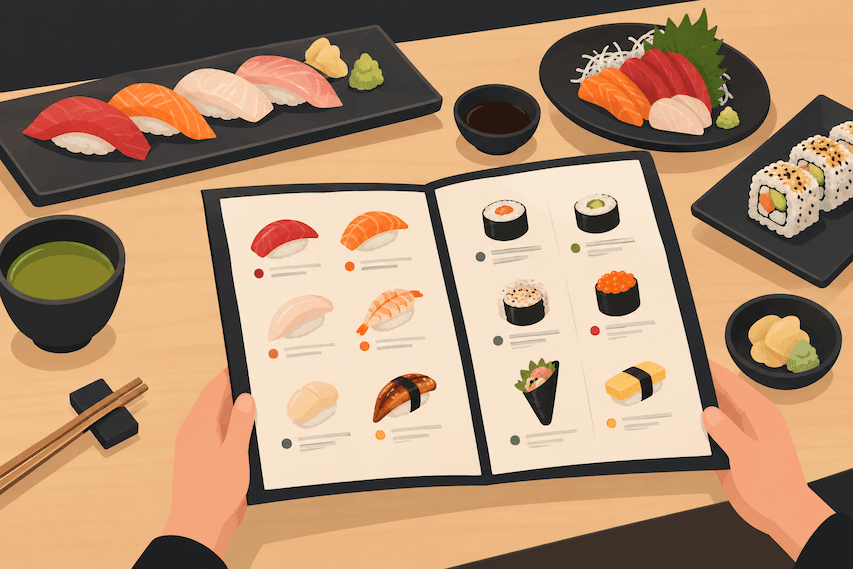
Walking into a sushi restaurant and looking at the menu can feel confusing when you don’t recognize the Japanese names, fish varieties, or preparation methods. The good news is that you don’t need to be a sushi expert to order a meal you’ll enjoy.
Learning a few essential terms makes it easier to understand what you’re ordering, compare flavors and textures, and discover dishes that match your preferences. Whether you’re trying sushi for the first time or exploring a more traditional Japanese menu in Miami Beach, this guide will help you read the menu with confidence.
Why Does Understanding a Sushi Menu Matter?
Understanding a sushi menu helps you choose dishes based on flavor, texture, preparation, and ingredients rather than relying on unfamiliar names alone. Once you recognize common fish varieties and cooking techniques, ordering becomes more enjoyable and less intimidating.
Japanese sushi menus often combine traditional terminology with modern descriptions. A single item might identify the fish, its cut, the preparation method, and additional toppings.
Knowing how to interpret these details helps you:
Choose mild, rich, lean, or fatty seafood according to your taste.
Distinguish raw fish from cooked or seared preparations.
Understand the difference between individual ingredients and complete specialty rolls.
Ask more specific questions about ingredients and substitutions.
Explore unfamiliar dishes without feeling overwhelmed.
If you’re still learning the basics, start with this guide to different sushi types before exploring more detailed fish and preparation terminology.
What Are the Most Common Fish Names on a Sushi Menu?
The most common sushi fish names include maguro for tuna, sake for salmon, hamachi for yellowtail, and unagi for freshwater eel. Recognizing these terms gives you a useful starting point when reading a Japanese menu.
Here are several names worth remembering.
Japanese Menu Term | Common English Name | Typical Flavor and Texture |
|---|---|---|
Maguro | Tuna | Clean, meaty, and relatively lean depending on the cut |
Sake | Salmon | Rich, buttery, and mild |
Hamachi | Yellowtail | Rich, smooth, and moderately fatty |
Tai | Sea bream | Delicate, mild, and firm |
Saba | Mackerel | Bold, savory, and oily |
Ebi | Shrimp | Mild, sweet, and usually cooked |
Tako | Octopus | Firm, chewy, and subtly sweet |
Ika | Squid | Delicate flavor with a firm, sometimes slightly chewy texture |
Names and preparation styles can vary between restaurants, so check the menu description if you’re unsure whether a particular item is raw, cooked, cured, or seasoned.
Which Fish Should Beginners Try First?
Beginners often find salmon, mild tuna cuts, cooked shrimp, and scallops approachable because their flavors are relatively familiar and easy to appreciate. If you prefer cooked food, shrimp or eel can provide an introduction to Japanese flavors without requiring you to start with raw fish.
Consider these options based on your preferences:
For a mild flavor: Try sea bream, scallop, or shrimp.
For a rich, buttery texture: Consider salmon or a fattier tuna cut.
For a firmer bite: Explore tuna or octopus.
For a stronger seafood flavor: Try mackerel.
For a cooked option: Look for shrimp, freshwater eel, or cooked specialty rolls.
If a fish name is unfamiliar, ask your server what it tastes like and how it is prepared. A short explanation can help you decide whether it suits your palate.
What Do Akami, Chutoro, and Otoro Mean?
Akami, chutoro, and otoro describe different cuts of tuna, particularly bluefin tuna, with varying amounts of fat. Understanding these terms helps you anticipate how rich, tender, or substantial a piece of tuna may taste.
These labels are especially useful when ordering tuna nigiri or sashimi.
Akami: What Is Lean Tuna?
Akami is the lean, deep-red portion of tuna and generally has a clean, pronounced tuna flavor. It is a useful choice if you want to appreciate the taste of the fish without the richness of a highly fatty cut.
Its relatively firm texture makes it popular with diners who prefer a straightforward seafood flavor.
Chutoro: What Is Medium-Fatty Tuna?
Chutoro is a medium-fatty tuna cut that balances the clean flavor of lean tuna with a richer, softer texture. It sits between akami and otoro in terms of fat content, although the exact balance varies with the fish.
Choose chutoro if you enjoy tuna but want something more buttery than a lean cut.
Otoro: What Is Fatty Tuna Belly?
Otoro is a highly prized fatty portion of tuna belly known for its rich mouthfeel and tender texture. Its fat can create a soft, almost melting sensation, making it noticeably more indulgent than lean tuna.
Because of its richness, otoro is often enjoyed in small portions so its flavor remains the focus.
Tuna Cut | Fat Level | Texture | Flavor Experience |
|---|---|---|---|
Akami | Lower | Firm and lean | Clean, pronounced tuna |
Chutoro | Medium | Tender and smooth | Balanced and buttery |
Otoro | High | Very soft and rich | Rich, delicate, and indulgent |
These terms are most commonly associated with bluefin tuna, and availability depends on the restaurant’s sourcing and menu. They do not automatically indicate a particular grade or guarantee a specific quality level.
What Do Nigiri, Sashimi, and Maki Tell You About an Order?
Nigiri, sashimi, and maki describe different ways sushi ingredients are presented, rather than specific fish species. The format tells you what the dish looks like and how its ingredients are combined, while the fish name identifies what you’re eating.
Although each format has its own characteristics, they can feature many of the same ingredients.
Nigiri: A small portion of seasoned rice topped with fish or seafood, sometimes finished with sauce, wasabi, or another garnish.
Sashimi: Sliced seafood served without sushi rice, allowing the fish’s flavor and texture to take center stage.
Maki: Sushi ingredients rolled with rice and usually nori, or dried seaweed.
Temaki: A hand-rolled cone of seaweed filled with rice and other ingredients.
Uramaki: An inside-out roll with rice on the exterior and nori around the filling.
For a more detailed breakdown of each format, read the restaurant’s complete guide to sushi types.
Should You Order Nigiri or Sashimi?
Choose nigiri if you want to experience fish alongside seasoned sushi rice, or sashimi if you want to focus on the seafood itself. Neither is automatically better; the right option depends on your appetite and how you prefer to experience the ingredients.
Nigiri offers a balance between the fish and rice, while sashimi gives you more direct control over how you season each bite.
If you’re unsure, ordering a small selection of both is a practical way to compare the differences.
What Do Aburi, Zuke, and Tataki Mean?
Aburi, zuke, and tataki refer to preparation techniques that change the flavor, texture, or seasoning of seafood. These terms are useful because two menu items featuring the same fish can taste quite different depending on how the chef prepares them.
Aburi: What Does Torched Sushi Mean?
Aburi refers to a searing technique in which the surface of an ingredient is briefly exposed to flame or intense heat. On a sushi menu, this often means the fish is lightly torched, creating a warm surface and subtle roasted flavors while leaving the center less cooked.
Aburi salmon, for example, may have a lightly caramelized exterior and a richer aroma than its fully raw counterpart. However, torching does not necessarily cook the fish all the way through.
Zuke: What Is Marinated Sushi Fish?
Zuke describes fish that has been marinated or seasoned, traditionally using a soy-based mixture. The technique developed as a way to season and help preserve fish, and it remains valued for the additional depth it brings to the flavor.
Zuke tuna typically has a savory, slightly salty taste that differs from plain tuna. Because recipes vary, ask about the marinade if you are watching your sodium intake or avoiding particular ingredients.
Tataki: What Is Lightly Seared Fish?
Tataki generally refers to fish or meat that is quickly seared on the outside while remaining less cooked in the center. The term is also associated with Japanese preparations in which the ingredient is sliced and served with seasonings or a dipping sauce.
On a menu, tataki often appeals to diners who want some of the flavor of searing without a fully cooked interior. Preparation varies by restaurant, so confirm how the dish is served.
Other Preparation Terms to Know
You may also see these terms on traditional and contemporary Japanese menus:
Term | Meaning | What to Expect |
|---|---|---|
Yaki | Grilled or cooked over heat | A cooked preparation with roasted flavors |
Tempura | Ingredients coated in a light batter and fried | A crisp exterior and tender filling |
Teriyaki | A glazed preparation using a sweet-savory sauce | A glossy finish and pronounced seasoning |
Gunkan | A boat-shaped sushi format with rice wrapped in nori | Often used for loose or delicate toppings such as roe |
Ponzu | A citrus-based Japanese sauce, often combined with soy sauce | A bright, tangy, savory flavor |
Negi | Green onion or scallion | A fresh, mildly sharp garnish |
Remember that some words describe a cooking method, while others refer to a sauce, garnish, or serving style. Reading the whole menu description gives you a more accurate picture of the finished dish.
How Can You Tell Whether a Sushi Dish Is Raw or Cooked?
How Can You Tell Whether a Sushi Dish Is Raw or Cooked?
The clearest way to determine whether a sushi dish is raw or cooked is to read its full description and ask your server when the preparation is not specified. Certain menu words offer clues, but the name of a fish alone does not tell you how it has been prepared.
Use these general guidelines when reviewing a menu:
Raw or fresh: Often indicates an uncooked preparation, although the wording can vary.
Aburi or torched: Usually indicates a seared surface, not necessarily a fully cooked interior.
Tempura: Indicates a battered and fried preparation.
Grilled or baked: Usually indicates that the ingredient has been cooked with heat.
Smoked: Indicates exposure to smoke, but the product may be cold-smoked or hot-smoked.
Marinated or cured: Indicates seasoning or treatment that changes flavor and sometimes texture, but does not necessarily mean the fish is cooked.
If you need to avoid raw seafood, don’t assume that a lightly seared, cured, or marinated item is fully cooked. Confirm the preparation directly with the restaurant.
What Do Sushi Sauces and Toppings Tell You?
Sauces and toppings can significantly change the flavor of sushi, adding sweetness, acidity, spice, saltiness, or richness. Looking beyond the fish itself helps you understand the complete dish and avoid ordering something that doesn’t match your preferences.
Here are some common ingredients you may encounter:
Ingredient | Flavor Profile | Common Use |
|---|---|---|
Soy sauce | Salty and savory | Dipping or seasoning |
Wasabi | Sharp, pungent heat | Accompaniment to sushi |
Spicy mayo | Creamy, rich, and spicy | Specialty rolls and toppings |
Eel sauce | Sweet and savory | Eel dishes and signature rolls |
Ponzu | Citrusy and savory | Seafood, sashimi, and dipping sauces |
Sesame seeds | Nutty and toasted | Garnish for rolls and other dishes |
Tobiko | Mildly briny with a slight crunch | Roll toppings and garnishes |
Ikura | Briny and rich |
A roll with several sauces and toppings may taste very different from a simple piece of nigiri made with the same fish. If you prefer clean seafood flavors, begin with simpler preparations before exploring heavily sauced specialty rolls.
For more ideas on building a balanced meal, explore this guide to choosing drinks to pair with sushi.
How Should You Read a Sushi Menu Step by Step?
The easiest way to read a sushi menu is to identify the main ingredient, understand its preparation, check the accompanying ingredients, and then consider the portion and price. Following this sequence makes unfamiliar descriptions easier to interpret.
Use these five steps when ordering.
Step 1: Identify the Main Ingredient
Look for the fish or seafood name first. If you recognize salmon, tuna, shrimp, or scallop, you already have a useful starting point.
If the menu uses a Japanese term you don’t recognize, ask for the English name and whether the seafood is raw or cooked.
Step 2: Check the Preparation Method
Look for words such as aburi, tempura, grilled, or marinated. These describe how the ingredient is prepared and can make a substantial difference in the final flavor.
For example, plain salmon nigiri and torched salmon nigiri may share the same main ingredient but offer different aromas and textures.
Step 3: Read the Complete Ingredient List
Check whether the dish includes avocado, cucumber, cream cheese, spicy mayo, eel sauce, or other additions. These ingredients can affect the richness, sweetness, spice level, and overall balance.
If you have allergies or dietary restrictions, confirm the full ingredient list and possible cross-contact with the restaurant.
Step 4: Understand the Portion and Price
Check whether the listed price applies to one piece, a pair, a roll, or a larger platter. Restaurant menus differ, so never assume that two similarly priced items contain the same number of pieces.
If you’re ordering several dishes, ask your server about portion sizes to help you plan your meal.
Step 5: Ask About Recommendations and Specials
If you’re uncertain, explain what you enjoy rather than asking for a random recommendation. For example, tell your server that you prefer mild seafood, cooked ingredients, or rich tuna.
You can also ask which fish is available that evening and whether any specials suit your preferences. Availability and preparation may change, so confirm the details before ordering.
What Should You Order if You’re New to Sushi?
If you’re new to sushi, start with familiar flavors and simple preparations, then gradually explore richer cuts, unfamiliar seafood, and more complex combinations. You don’t have to order the most adventurous item on the menu to appreciate Japanese cuisine.
Consider these starting points:
Your Preference | Options to Consider | Why They May Suit You |
|---|---|---|
Mild flavors | Scallop or sea bream | Delicate seafood flavor |
Rich, buttery textures | Salmon or chutoro tuna | More pronounced richness |
Cooked seafood | Shrimp tempura or cooked eel | Familiar cooked textures |
Simple ingredients | Salmon or tuna nigiri | Fewer competing flavors |
Crunchy textures | Tempura-based rolls | Crisp contrast with rice and fillings |
Bold, savory flavors | Mackerel or zuke tuna | More pronounced seasoning |
No raw seafood | Cooked shrimp, vegetable rolls, or fully cooked specialty items | Options without intentionally raw seafood, subject to preparation |
If you prefer a more adventurous meal, try a small selection of different fish rather than ordering several items with similar flavors. This gives you a chance to compare textures and discover what you like.
What Questions Should You Ask Before Ordering Sushi?
You can order sushi confidently without knowing every Japanese term. Asking a few specific questions helps clarify the ingredients, preparation, and portion size before you commit to a dish.
Useful questions include:
Is this fish served raw, seared, or fully cooked?
What does this fish taste like?
Is this cut lean or fatty?
Does this roll contain spicy mayo, eel sauce, or other added sauces?
Is the sauce served on the side?
How many pieces come with this order?
Does this dish contain shellfish or other common allergens?
What would you recommend for someone who prefers mild flavors?
If you’re dining at Tokyo Sushi Speakeasy in Miami Beach, these questions can help you navigate both classic sushi selections and more elaborate signature creations. Reviewing the restaurant’s sushi types guide before your visit can also help you recognize the different formats.
Frequently Asked Questions About Reading a Sushi Menu
What is the difference between maguro and sake?
Maguro means tuna, while sake on a sushi menu commonly refers to salmon. The context matters because sake can also refer to Japanese rice wine when used in a beverage context.
What is the difference between akami and otoro?
Akami is lean tuna with a firmer texture and a more pronounced fish flavor. Otoro is a much fattier tuna belly cut with a softer, richer mouthfeel.
What does aburi mean on a sushi menu?
Aburi refers to a searing technique, often performed with a torch. It gives the surface of the fish a lightly roasted flavor, but the interior may remain raw or only partially cooked.
Is sashimi the same as sushi?
No. Sashimi is sliced seafood served without sushi rice, while sushi generally involves vinegared rice paired with other ingredients. The two are often served together on Japanese restaurant menus.
What sushi is best for beginners?
Salmon, mild tuna cuts, cooked shrimp, and cooked eel are common starting points. Your best option depends on whether you prefer raw or cooked seafood and whether you enjoy mild, rich, or strongly seasoned flavors.
How can I tell whether a sushi roll contains raw fish?
Read the ingredient description and look for preparation terms, but don’t rely on the roll’s name alone. If the description is unclear, ask the restaurant to confirm which ingredients are raw and which are cooked.
What does omakase mean on a sushi menu?
Omakase is a dining approach in which you entrust the selection of dishes to the chef. The chef chooses what to serve, often based on available ingredients and the intended progression of the meal. To understand how this differs from choosing individual menu items, ask the restaurant about its current omakase offering and format.
Final Thoughts: Order Sushi With More Confidence
Reading a sushi menu becomes much easier when you know how to identify the fish, understand the cut, recognize preparation techniques, and check the accompanying ingredients. You don’t need to memorize every Japanese term; learning a handful of common words can make a noticeable difference in how confidently you order.
Start with ingredients and flavors you recognize, ask questions when a description is unclear, and try something new when you’re ready. Over time, you’ll develop a better understanding of the textures and preparations you enjoy most.
For your next sushi dinner in Miami Beach, use these basics to explore the menu more comfortably and make each order a little more informed.