Understanding a few key principles of sushi etiquette can transform a good meal into a great one. Whether you are visiting a high-end omakase counter or settling into a booth for signature rolls and cocktails, knowing how to navigate the experience shows respect for the craft and helps you enjoy every bite the way the chef intended.
The good news is that sushi etiquette is not about rigid rules or impressing anyone at the table. It is about appreciating the care that goes into each piece and making the most of what is in front of you. Once you know the basics, the entire dining experience becomes more relaxed, more flavorful, and far more memorable.
Why Sushi Etiquette Matters
Japanese culinary culture places enormous value on presentation, balance, and intentionality. Every detail matters, from the temperature of the rice to the angle of the knife cut. When you understand the reasoning behind these choices, you start to eat differently. You notice textures. You taste combinations you might have missed. And you appreciate why a skilled sushi chef spends years perfecting a single technique.
At Tokyo Sushi Speakeasy, this philosophy runs through everything on the table, from hand-formed nigiri to carefully crafted cocktails designed to complement each course. Knowing how to approach the meal puts you in a better position to enjoy it fully.
The Role of the Sushi Chef
In traditional Japanese dining, the sushi chef, known as itamae, is both craftsman and guide. Their training often spans a decade or more, beginning with years of observation before they ever serve a guest directly. Every decision they make is deliberate, from the selection of fish to the way they shape each piece of nigiri.
When you sit at a sushi counter, you are not just ordering food. You are watching an artisan at work. The way the chef seasons the rice, the precise temperature of the fish, the timing of each piece arriving in front of you, these details are all part of the experience.
This is one reason omakase dining has become so popular. When you trust the chef to guide the meal, you get to see their full range of skill and creativity without having to choose from a menu. It is an intimate, one-of-a-kind experience that connects you directly to the craft behind Japanese cuisine. For a deeper look at this tradition, our guide to the art of Edomae sushi explores the history and technique behind authentic Japanese sushi preparation.
How to Eat Nigiri Sushi
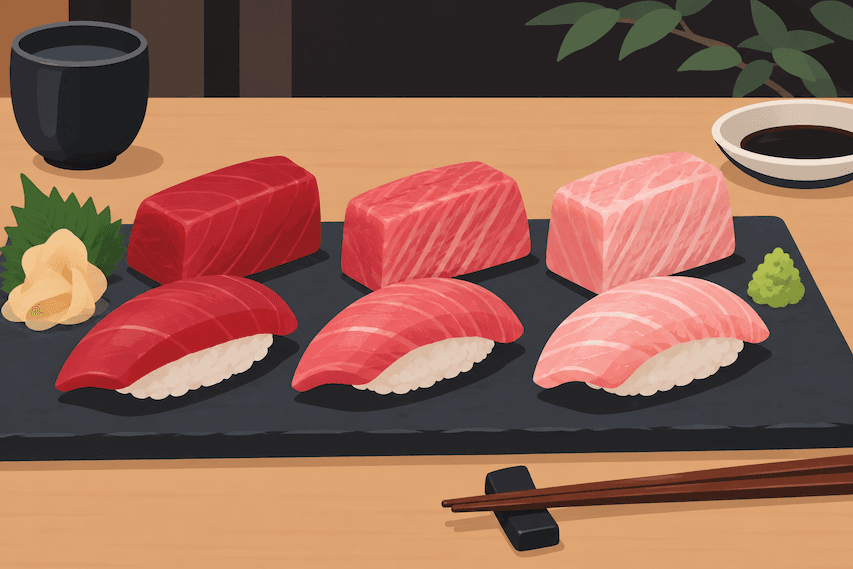
Nigiri is the purest expression of sushi craftsmanship. A small mound of hand-pressed rice topped with a slice of fish, nigiri is simple on the surface but incredibly nuanced in execution.
The traditional way to eat nigiri is with your hands. Pick up the piece gently, keeping it intact, and turn it slightly so the fish side touches your tongue first. This allows the flavor of the fish to land before the rice, giving you the full intended taste of each bite.
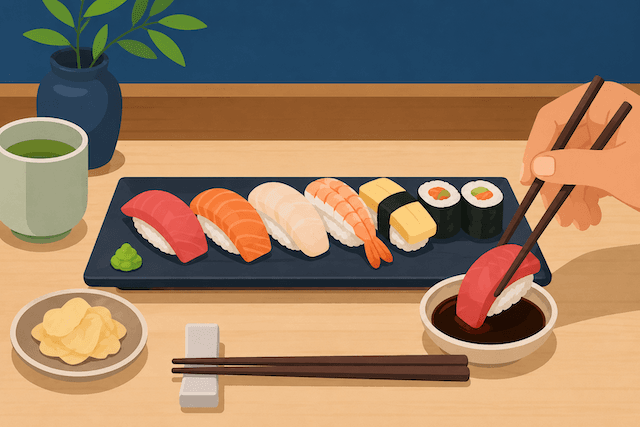
If you prefer using chopsticks, that is perfectly fine in most modern restaurants. There is no need to feel self-conscious about it. The important thing is to eat the piece in one bite whenever possible. Splitting a piece of nigiri disrupts the balance the chef created and can cause it to fall apart.
When it comes to wasabi and soy sauce, less is more. Most experienced sushi chefs apply a small amount of wasabi directly between the fish and the rice before the piece reaches your plate. Dipping nigiri fish-side-down into soy sauce can cause the fish to separate from the rice and overwhelm the delicate flavors. A light touch on the edge of the rice is all you need, if anything at all.
How to Eat Sashimi
Sashimi is sliced fish served without rice, highlighting the pure flavor and texture of the seafood itself. Because there is no rice to balance the richness, sashimi demands a lighter hand with seasoning.
Use your chopsticks to pick up a slice, and dip it very lightly into soy sauce, just enough to add a touch of salt without masking the fish. Many sashimi dishes are already seasoned with ponzu, citrus, or other finishing touches by the chef, so taste a piece before reaching for the soy sauce bottle.
Sashimi is meant to be savored slowly. Pay attention to the texture and how it changes as you chew. A fresh piece of hamachi feels different from salmon, and understanding those differences is part of what makes sashimi so rewarding.
How to Eat Maki Rolls
Maki rolls are what most people think of when they picture sushi. Rice and fillings wrapped in seaweed, cut into bite-sized pieces, maki is approachable, fun, and endlessly creative.
The etiquette around maki is more relaxed than nigiri or sashimi, but a few guidelines still apply. Always eat maki in a single bite when possible. This ensures you get all the intended flavors and textures together rather than experiencing them separately.
For rolls with multiple sauces or toppings, try not to overload each piece. A quick dip in soy sauce is usually sufficient. If a roll comes with a sauce already drizzled on top, trust the chef and eat it as presented. They have already balanced the flavors for you.
When sharing rolls at the table, it is considerate to use the communal chopsticks or serving utensils rather than your own chopsticks, especially in a shared dining setting.
The Proper Way to Use Chopsticks
Chopstick etiquette is a common source of anxiety for first-time sushi diners, but it is simpler than you might think.
Never stick chopsticks upright in a bowl of rice. This is considered deeply disrespectful in Japanese culture, as it resembles incense sticks placed at funerals. Instead, rest your chopsticks on the provided chopstick rest when you are not using them.
Do not pass food from your chopsticks to another person’s chopsticks for the same reason. If you want to share a piece with someone at your table, place it on their plate instead.
Rubbing disposable chopsticks together to remove splinters is also considered rude. It implies the restaurant has provided cheap, low-quality utensils.
And perhaps most importantly, avoid pointing at people or food with your chopsticks. Keep them pointed downward and toward your plate when not actively eating.
The Ritual of Miso Soup
Miso soup often arrives early in a Japanese meal, and there is a subtle etiquette around it as well.
Unlike Western soup, miso is meant to be sipped directly from the bowl. There is no need for a spoon, though one may be provided for the solid ingredients. Lift the bowl with both hands, take a sip of the broth, and use your chopsticks to eat the tofu, seaweed, and scallions remaining.
It is perfectly acceptable to eat the solid ingredients before or after sipping the broth. The key is to enjoy it at your own pace while it is still warm.
Pairing Drinks With Your Sushi Meal
Sushi etiquette extends beyond the food itself. What you drink matters too, and the right pairing can elevate the entire experience.
Sake is the classic choice, and for good reason. Its clean, balanced profile complements raw fish beautifully without overpowering delicate flavors. Lighter styles like Ginjo work well with white fish and sashimi, while richer Junmai varieties stand up nicely to eel, salmon, and cooked rolls. If you are unsure where to start, our beginner’s guide to sake can help you find the style that suits your palate.
Japanese whisky, served neat or with a single ice cube, offers another refined option. Its smooth, slightly smoky character pairs surprisingly well with richer rolls and seared preparations like tuna tataki.
For those who prefer cocktails, a well-crafted Japanese-inspired drink can be just as complementary as sake. The key is to choose something that refreshes the palate between bites rather than competing with the flavors on your plate.
Wasabi and Ginger: What They Are Actually For
There is a common misconception about pickled ginger, known as gari. It is not meant to be eaten alongside your sushi as a topping or garnish. Instead, it serves as a palate cleanser between different types of fish. A small piece of ginger between bites helps reset your taste buds so you can fully appreciate the next piece.
Wasabi is similar. While many Western diners mix wasabi into soy sauce to create a dipping paste, this practice dilutes the soy sauce and can mask the subtle flavors of high-quality fish. In traditional sushi service, the chef has already applied the appropriate amount of wasabi to each piece. If you want more, a small dab directly on the fish is preferable to drowning it in a wasabi-soy mixture.
Dining With a Group
When sharing a sushi meal with friends or family, a few additional considerations help everyone enjoy the experience.
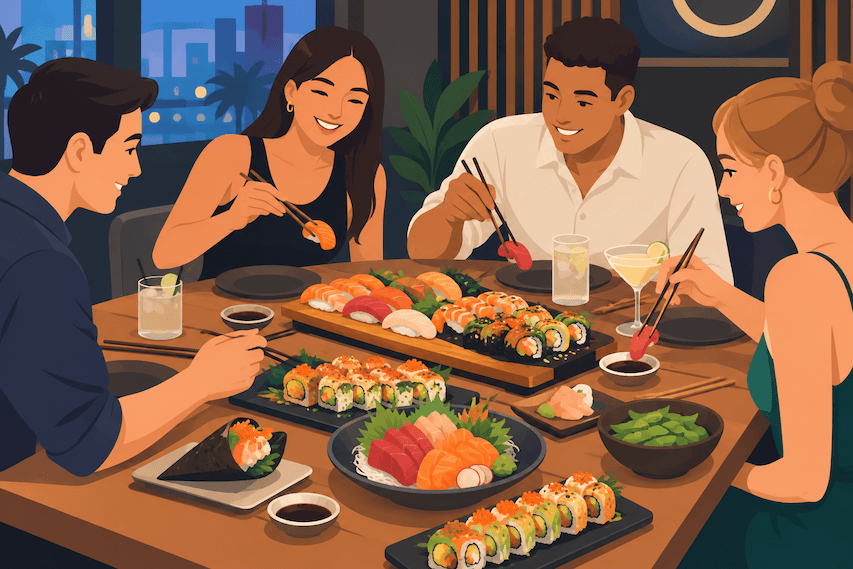
Start with lighter dishes and work toward richer flavors. Beginning with sashimi or white fish nigiri before moving to salmon, eel, or heavier rolls allows your palate to adjust gradually. It is the same principle that guides a multi-course omakase, applied to a shared menu. Exploring signature rolls alongside nigiri and sashimi gives the table a dynamic progression through the menu.
Order a variety rather than everyone ordering their own plate. Sushi is a communal dining experience by nature, and sharing lets everyone try more of what the restaurant has to offer. Signature rolls, small plates like gyoza or edamame, and a few pieces of nigiri or sashimi give the table a well-rounded spread.
If you are celebrating a special occasion, consider making a reservation and letting the restaurant know. Many establishments, including Tokyo Sushi Speakeasy, can accommodate special requests and create a more personalized experience for your group.
Sushi Etiquette for Special Occasions
Date nights, birthdays, and milestone celebrations call for a slightly elevated approach to the sushi experience. Making a reservation ensures you have the time and space to enjoy the meal without feeling rushed.
If you are planning a date night, letting the restaurant know in advance gives them the opportunity to suggest seating, recommend a progression of courses, and create an atmosphere that matches the occasion. A thoughtfully planned sushi dinner makes for one of the most memorable date night experiences in Miami Beach.
For larger celebrations, private dining or a chef’s table experience can turn a meal into an event. These options allow you to engage directly with the kitchen, learn about the preparation, and enjoy dishes that may not appear on the regular menu.
Bringing It All Together
Sushi etiquette is not about memorizing a list of rules. It is about approaching the meal with awareness, respect, and curiosity. When you understand the thought behind each dish, you eat with more intention and enjoyment.
The best sushi experiences happen when you relax, trust the chef, and let the flavors speak for themselves. Whether you are a first-timer trying nigiri for the first time or a seasoned sushi lover exploring new preparations, the principles remain the same. Eat with appreciation. Taste with attention. And enjoy every moment of the meal. To see how these principles come together in a curated setting, explore the full menu or learn about the dining experience at Tokyo Sushi Speakeasy.
Frequently Asked Questions
Should I eat sushi with my hands or chopsticks?
Both are perfectly acceptable. In traditional settings, nigiri is often eaten by hand, while maki rolls are typically eaten with chopsticks. Choose whichever feels most comfortable for you.
Is it rude to ask for extra wasabi?
Not at all. Most restaurants are happy to provide additional wasabi upon request. However, it is worth tasting the sushi first, as the chef has already seasoned it to their intended balance.
Can I mix wasabi into my soy sauce?
You can, though traditional sushi etiquette discourages it. Mixing wasabi into soy sauce dilutes the flavor and can overpower the fish. A small dab of wasabi directly on the sushi is a better approach.
What is the proper way to eat ginger?
Pickled ginger is a palate cleanser, meant to be eaten between different pieces of sushi rather than on top of them. Take a small piece between bites to refresh your taste buds.
How do I know which sake to order?
It depends on what you are eating. Lighter sake styles pair well with delicate fish, while fuller-bodied varieties complement richer sushi selections. Your server can offer recommendations based on your order.
Is it okay to request a specific temperature for my sake?
Absolutely. Sake can be served chilled, at room temperature, or warmed, depending on the style and your preference. There is no wrong choice when it comes to personal taste.
What should I order for my first sushi meal?
Start with a few pieces of nigiri or sashimi to experience the fish on its own, then add a signature roll for something more adventurous. Pairing with a glass of sake or a Japanese-inspired cocktail rounds out the experience.
Ready to put your sushi etiquette knowledge into practice? Reserve a table at Tokyo Sushi Speakeasy and experience the craft behind every piece.