Sushi can be a healthy meal, depending on the ingredients, preparation method, portion size, and toppings. Fish provides protein and beneficial omega-3 fatty acids, while vegetables, seaweed, and rice contribute additional nutrients. However, fried fillings, creamy sauces, and high-sodium condiments can significantly change the nutritional value of a sushi meal.
Whether you enjoy traditional nigiri, fresh sashimi, or modern specialty rolls, understanding what’s inside each dish can help you make better choices without giving up the flavors you love. Here’s what to know about sushi calories, nutrition, health benefits, and how to order a more balanced meal.
Is Sushi Actually Healthy?
Yes, sushi can be part of a balanced diet because it combines seafood, rice, vegetables, and other nutrient-rich ingredients. The healthiest options generally feature fresh fish, moderate portions of rice, vegetables, and fewer fried toppings or heavy sauces.
However, not every sushi roll offers the same nutritional benefits. A simple salmon nigiri and a deep-fried specialty roll with spicy mayonnaise have very different calorie, fat, and sodium profiles.
The overall nutritional value depends on several factors:
Fish selection: Salmon, tuna, and yellowtail provide protein and different amounts of healthy fats.
Rice portions: Sushi rice supplies carbohydrates and energy, but larger portions increase the total calorie count.
Additional ingredients: Avocado, cucumber, and other vegetables add nutrients and variety.
Preparation method: Steamed, fresh, or lightly prepared ingredients generally require fewer added fats than fried fillings.
Sauces and toppings: Spicy mayo, eel sauce, and other condiments can add calories, sugar, and sodium.
The best approach is to consider the entire meal rather than judging sushi by one ingredient.
What Nutrients Does Sushi Provide?
Sushi can provide several important nutrients, particularly when it contains seafood, vegetables, and seaweed. Its nutritional profile varies depending on the fish, rice, fillings, and seasonings used.
Here are some of the main nutrients found in common sushi ingredients.
Protein
Fish and seafood are valuable sources of protein, which helps maintain muscles, repair body tissues, and support normal body functions.
Salmon, tuna, yellowtail, shrimp, and other seafood ingredients can contribute protein to a meal. Choosing fish-based sushi instead of rolls containing mostly rice and sauces can help make your meal more protein-focused.
Omega-3 Fatty Acids
Fatty fish such as salmon contain omega-3 fatty acids, particularly EPA and DHA. These essential fats play important roles in heart health and normal brain function.
Salmon is a popular choice for people looking to include more omega-3-rich seafood in their diet. However, the amount varies depending on the fish species and serving size.
The FDA recognizes fish as a source of beneficial nutrients, including omega-3 fatty acids, protein, vitamins, and minerals.
Carbohydrates
Sushi rice provides carbohydrates, which are an important source of energy.
Traditional sushi rice is prepared with vinegar, sugar, and salt. While rice is not inherently unhealthy, larger portions can increase the carbohydrate and calorie content of your meal.
If you are watching your carbohydrate intake, consider balancing rice-based sushi with sashimi and vegetable-based sides.
Vitamins and Minerals
Different sushi ingredients provide different micronutrients.
For example:
Salmon: Provides vitamin D, vitamin B12, and omega-3 fatty acids.
Tuna: Provides protein, selenium, and vitamin B12.
Seaweed: Can provide iodine and other minerals.
Avocado: Contains fiber, potassium, and unsaturated fats.
Edamame: Provides plant-based protein, fiber, and folate.
Cucumber: Adds water and small amounts of vitamins and minerals.
Combining different ingredients gives you a wider variety of nutrients than relying on a single sushi roll.
How Many Calories Are in Sushi?
Sushi calories depend on the type of fish, amount of rice, fillings, cooking method, and sauces. Simple nigiri and sashimi are generally lighter choices, while specialty rolls containing fried ingredients, mayonnaise, and sweet sauces can contain considerably more calories.
The following table provides approximate calorie ranges for common sushi options. These are general estimates, not verified nutrition facts for Tokyo Sushi Speakeasy’s menu.
Sushi Type | Estimated Calories | Main Nutritional Consideration |
|---|---|---|
Salmon nigiri (2 pieces) | 100–140 | Protein and omega-3 fats |
Tuna nigiri (2 pieces) | 80–120 | Lean protein |
Yellowtail nigiri (2 pieces) | 100–140 | Protein and healthy fats |
Salmon sashimi (5 pieces) | 120–200 | Protein and omega-3 fats |
Tuna sashimi (5 pieces) | 100–160 | Lean protein |
California roll (6–8 pieces) | 200–300 | Carbohydrates and fats |
Spicy tuna roll (6–8 pieces) | 250–400 | Protein, rice, and sauce |
Shrimp tempura roll (6–8 pieces) | 350–500 |
Actual calories vary by restaurant, recipe, serving size, and preparation. Specialty rolls with extra toppings or sauces may exceed these estimates.
Why Do Specialty Sushi Rolls Have More Calories?
Specialty rolls often combine several ingredients, making them more substantial than traditional sushi.
Common additions that increase calorie content include:
Tempura shrimp or other fried fillings.
Cream cheese.
Spicy mayonnaise.
Eel sauce and other sweet sauces.
Crispy onions, garlic, or fried toppings.
Large portions of avocado or additional rice.
These ingredients are not automatically unhealthy. They simply add more energy to the meal, so portion size and overall balance matter.
If you enjoy specialty rolls, you do not have to avoid them. Consider sharing a richer roll with friends and balancing it with simpler sushi or sashimi.
Which Types of Sushi Are Healthiest?
The healthiest sushi choices usually contain fish, seafood, or vegetables without excessive frying or heavy sauces. Nigiri, sashimi, and simple vegetable-based rolls are useful options when you want to keep your meal relatively balanced.
Here’s how some popular sushi styles compare.
Is Sashimi Healthier Than Sushi Rolls?
Sashimi can be a lighter option because it consists of sliced fish or seafood without sushi rice. It provides protein and other nutrients while generally containing fewer carbohydrates than rice-based sushi.
For people watching their carbohydrate intake, sashimi is worth considering.
However, sashimi is not automatically healthier in every situation. Its nutritional value still depends on the fish species, portion size, and accompanying sauces.
At Tokyo Sushi Speakeasy, guests can explore several sashimi options, including:
Salmon sashimi.
Tuna sashimi.
Hamachi sashimi.
Eel sashimi.
Tokyo Sashimi Boat, featuring a selection of seafood.
If you want to understand the differences between sashimi, nigiri, maki, and other Japanese preparations, explore our complete guide to sushi types.
Is Nigiri a Healthy Choice?
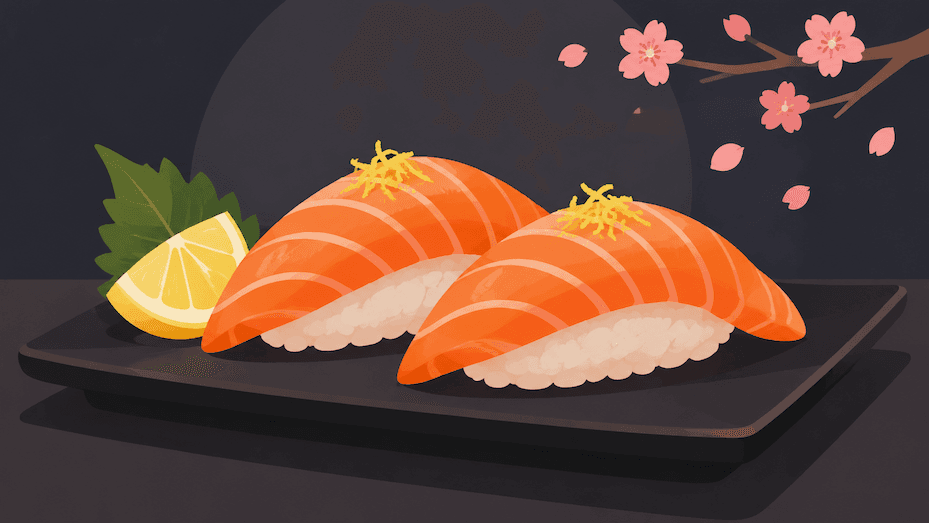
Nigiri can be a nutritious option because it combines a portion of fish or seafood with a small serving of seasoned rice. It offers protein and carbohydrates in a relatively simple format.
Popular varieties include:
Salmon nigiri.
Tuna nigiri.
Yellowtail nigiri.
Unagi nigiri.
Nigiri is also useful for controlling portions because each piece is individually prepared.
For example, ordering two pieces of salmon nigiri gives you a smaller rice portion than eating an entire specialty roll.
Are Vegetable Sushi Rolls Healthy?
Vegetable sushi rolls can be a good choice for people who want a lighter, plant-focused meal. Ingredients such as cucumber, avocado, and other vegetables contribute fiber and micronutrients.
However, vegetable rolls can still contain considerable carbohydrates because of the rice. Cream cheese, mayonnaise, and sweet sauces can also increase their calorie content.
If you prefer vegetarian options, check the ingredients and ask your server about preparation methods and dietary requirements.
Is Gunkan Sushi Healthy?
Gunkan sushi can be part of a balanced meal, especially when prepared with seafood ingredients that provide protein and beneficial fats. Its nutritional value depends on the topping, rice portion, and additional sauces.
For a closer look at its ingredients and nutritional considerations, read our article on what gunkan sushi is and how it is prepared.
What Makes Some Sushi Less Healthy?
Sushi becomes more calorie-dense when it includes large amounts of fried ingredients, creamy sauces, added sugar, or oversized portions. These additions can change an otherwise simple seafood-based meal into a much heavier dish.
Here are some ingredients to be mindful of when ordering.
Fried Ingredients
Tempura shrimp and other fried fillings add extra fat and calories through the batter and frying oil.
You can still enjoy these options occasionally, but consider balancing them with fresh seafood or vegetable-based dishes.
Creamy Sauces
Spicy mayonnaise and similar sauces can contain significant amounts of added fat and calories.
If you want to manage your intake, consider requesting sauces on the side when possible.
Sweet Sauces
Eel sauce and other sweet glazes can add sugar and sodium to sushi.
A small amount can enhance flavor, but generous amounts may increase the nutritional content of your meal.
High-Sodium Condiments
Soy sauce is a common sushi accompaniment, but it can contain substantial sodium.
Using less soy sauce or choosing a reduced-sodium alternative when available can help manage sodium intake.
People monitoring their blood pressure or following a sodium-restricted diet should pay particular attention to condiments and sauces.
How Can You Order Healthier Sushi?
You can enjoy a satisfying sushi dinner while making more balanced choices by paying attention to ingredients, preparation, portion sizes, and sauces.
You do not need to sacrifice flavor. A few practical adjustments can make a difference.
1. Choose Fish-Based Options
Start with sushi containing salmon, tuna, or yellowtail. These options provide protein and other important nutrients without requiring fried fillings or heavy sauces.
Fresh fish-based dishes are also a good way to appreciate the natural flavor and texture of seafood.
2. Include Sashimi in Your Meal
Adding sashimi gives you a way to enjoy seafood without additional sushi rice.
Consider ordering a few pieces alongside nigiri or a specialty roll to create more variety without relying entirely on rice-based dishes.
3. Add Vegetables
Vegetables contribute fiber, vitamins, minerals, and texture.
Edamame, cucumber, avocado, and other vegetable ingredients can help round out your meal.
At Tokyo Sushi Speakeasy, truffled edamame is one option for adding a vegetable-based starter to your dining experience.
4. Watch Your Sauce Portions
You do not have to eliminate sauces entirely. Simply be aware of how much you use.
Try these adjustments:
Request sauces on the side when possible.
Use smaller amounts of soy sauce.
Avoid adding multiple creamy sauces to the same roll.
Enjoy the natural flavor of fresh fish before adding condiments.
5. Balance Your Portions
Ordering several different dishes can make sushi dining more enjoyable, especially when sharing with friends.
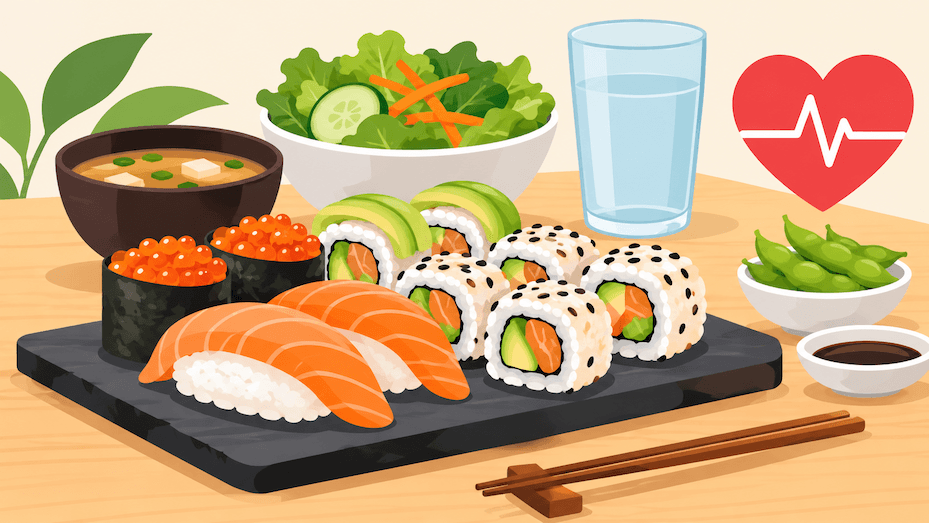
Instead of ordering multiple heavy specialty rolls, consider combining nigiri, sashimi, vegetables, and one signature roll.
This approach gives you variety while helping you manage the overall amount of food you eat.
Is Sushi Healthy for Weight Management?
Sushi can fit into a weight-management plan because it offers different combinations of protein, carbohydrates, and fats. The key is choosing portions that match your nutritional needs and being mindful of calorie-dense additions.
Fish provides protein, which can help make meals satisfying. Sashimi and simple nigiri can also make it easier to manage portions compared with large specialty rolls.
Here are some practical ordering strategies:
Goal | Better Ordering Approach |
|---|---|
Reduce calorie intake | Choose sashimi, simple nigiri, and vegetable sides |
Increase protein | Include salmon, tuna, shrimp, or other seafood |
Reduce carbohydrates | Replace some rice-based rolls with sashimi |
Increase fiber | Include edamame, avocado, and vegetables |
Reduce sodium | Limit soy sauce and salty condiments |
Enjoy specialty rolls | Share richer rolls and balance them with simpler dishes |
Remember that no single food determines weight gain or weight loss. Your overall eating pattern, activity level, and portion sizes matter more than whether you eat sushi occasionally.
Is Raw Sushi Safe to Eat?
Raw sushi can be enjoyed by many people, but raw seafood carries a higher risk of certain foodborne illnesses and parasites than thoroughly cooked seafood. Food safety also depends on proper sourcing, handling, refrigeration, and preparation.
Choosing a reputable restaurant and properly handled seafood is important, but it does not eliminate every risk associated with raw fish.
Who Should Be More Careful About Raw Sushi?
Certain groups should avoid raw or undercooked seafood because they may be more vulnerable to foodborne illness.
These include:
Pregnant individuals.
Young children.
Older adults with increased vulnerability.
People with weakened immune systems.
The FDA and CDC recommend avoiding raw or undercooked fish during pregnancy. Cooked seafood can provide many of the same nutritional benefits without the additional risks associated with raw fish.
For more information, review the FDA’s seafood safety recommendations and the CDC’s guidance on safer food choices during pregnancy.
Does the Type of Fish Matter?
Yes. Different fish species have different mercury levels, and frequent consumption of certain high-mercury fish can be a concern.
The FDA and EPA recommend choosing a variety of lower-mercury fish, particularly for people who are pregnant, breastfeeding, or selecting seafood for young children.
Variety is important because eating the same type of fish repeatedly may increase exposure to contaminants associated with that particular species.
You can consult the FDA and EPA fish consumption guidelines for more detailed recommendations.
How to Build a Balanced Sushi Meal at a Restaurant
A balanced sushi meal does not need to be complicated. Combining different food groups and choosing a reasonable mix of dishes can help you enjoy a satisfying dining experience.
Here is an example of how to approach your order.
Start With a Light Appetizer
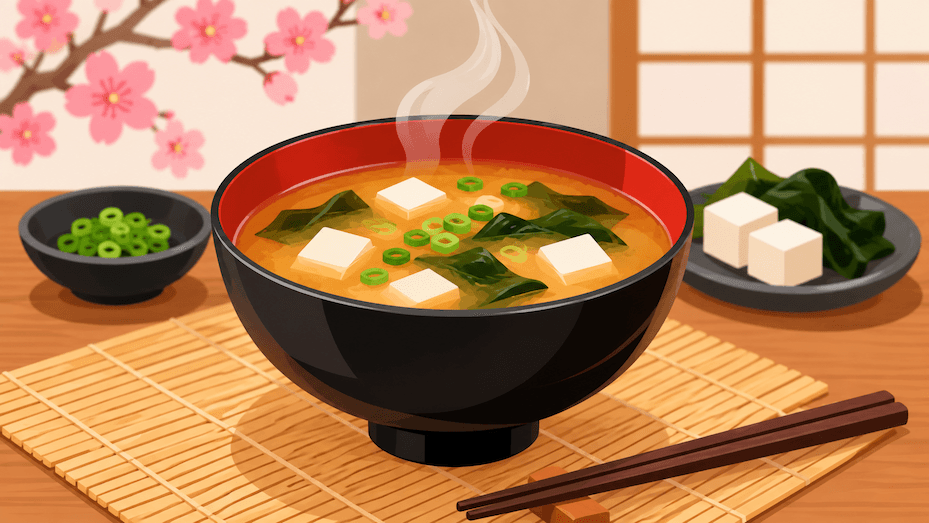
Consider a vegetable-based starter such as edamame or a miso soup.
These dishes can add variety before your main sushi selections arrive.
Choose a Protein-Focused Main Dish
Include a combination of nigiri or sashimi featuring fish such as salmon, tuna, or yellowtail.
This provides a seafood-focused foundation for your meal.
Add One Specialty Roll
If you enjoy more elaborate sushi, include one signature roll for variety.
Tokyo Sushi Speakeasy offers options such as the South Beach Roll, Tokyo Gold Roll, and Wagyu Truffle Roll. These are richer, more elaborate preparations, so consider sharing them when ordering several dishes.
Keep Condiments Balanced
Use soy sauce, spicy mayo, and sweet sauces in moderation.
You can still enjoy the full flavor of your meal without adding large amounts of condiments.
Adjust the Meal to Your Needs
Everyone has different nutritional requirements. Consider your appetite, dietary preferences, activity level, and any health-related dietary recommendations when deciding how much to order.
For more options and ingredient details, visit the Tokyo Sushi Speakeasy menu.
Frequently Asked Questions About Sushi Nutrition
Is sushi healthy to eat every week?
Sushi can be included in a balanced weekly diet, particularly when you choose a variety of seafood and pay attention to preparation methods and portion sizes. Varying the fish you eat can also help manage exposure to mercury.
What is the healthiest sushi to order?
Sashimi, simple nigiri, and vegetable-based rolls are generally good options. They can provide protein, nutrients, and fewer calorie-dense additions than heavily fried or sauce-covered specialty rolls.
Is salmon sushi healthier than tuna sushi?
Both can be nutritious choices. Salmon generally provides more omega-3 fatty acids, while tuna is typically a leaner source of protein. Their nutritional value depends on the species and serving size.
Does sushi rice contain a lot of sugar?
Sushi rice is commonly seasoned with rice vinegar, sugar, and salt. The amount varies by recipe, but the added seasoning contributes to its overall carbohydrate and sugar content.
Is sashimi healthier than a California roll?
Sashimi generally contains fewer carbohydrates because it does not include rice. However, a California roll can provide additional ingredients such as avocado and cucumber. The better choice depends on your nutritional goals and portion size.
Can you eat sushi when trying to lose weight?
Yes. Sushi can fit into a weight-management plan when portions and ingredients are considered. Sashimi, simple nigiri, and vegetable sides are useful choices, while fried fillings and heavy sauces are worth moderating.
Is sushi good for building muscle?
Sushi containing fish and seafood can contribute protein to a muscle-building diet. However, muscle development also depends on total daily protein intake, resistance training, recovery, and overall nutrition.
Is cooked sushi healthier than raw sushi?
Neither is automatically healthier. Raw fish may retain its natural nutrients, while cooked seafood can be a safer option for people who need to avoid raw fish. Preparation methods and additional ingredients determine much of the overall nutritional value.
Enjoy Sushi While Making Informed Choices
So, is sushi healthy? In many cases, yes. Sushi can be a nutritious and satisfying meal when you choose quality seafood, balance rice portions, include vegetables, and pay attention to sauces and preparation methods.
The best approach is not to avoid your favorite rolls entirely. Instead, understand what goes into each dish and make choices that support your personal nutritional goals.
At Tokyo Sushi Speakeasy, guests can explore everything from fresh nigiri and sashimi to signature specialty rolls, Japanese small plates, and handcrafted cocktails. Whether you prefer traditional seafood selections or more creative combinations, there are plenty of ways to enjoy a memorable Japanese dining experience.