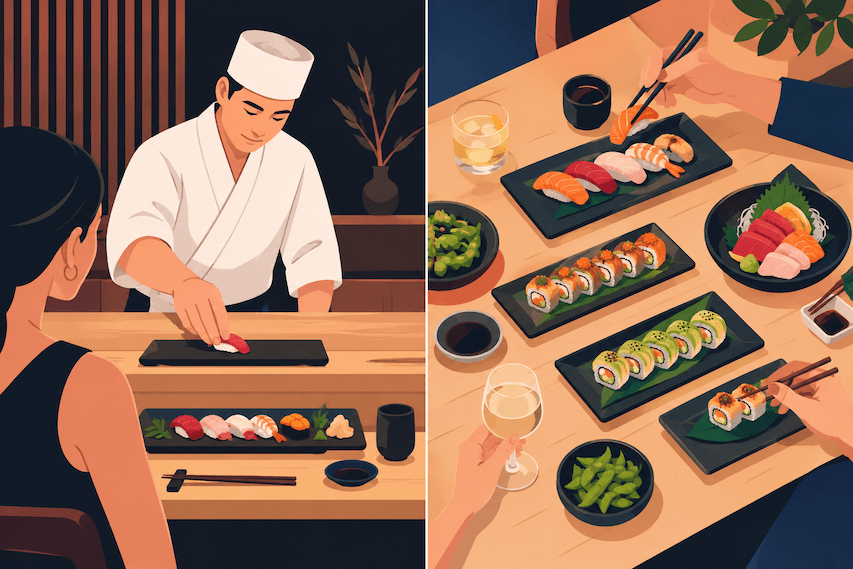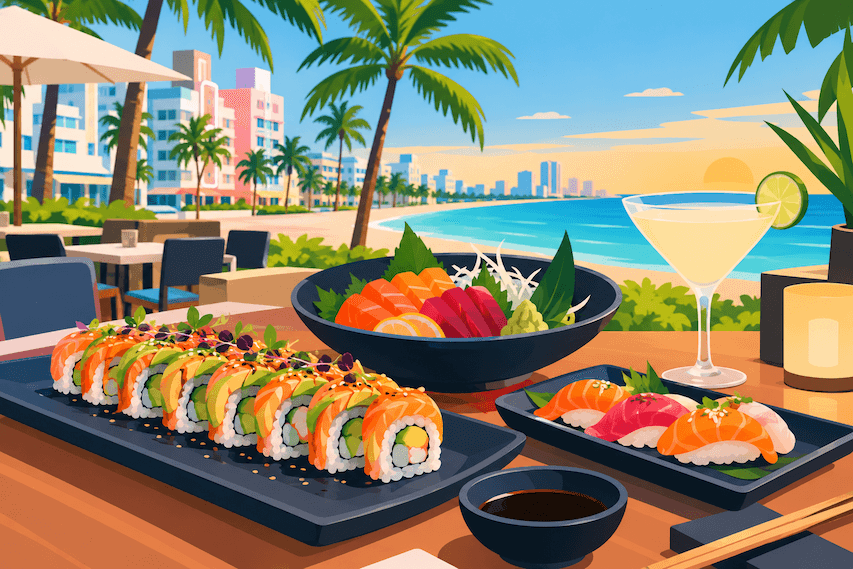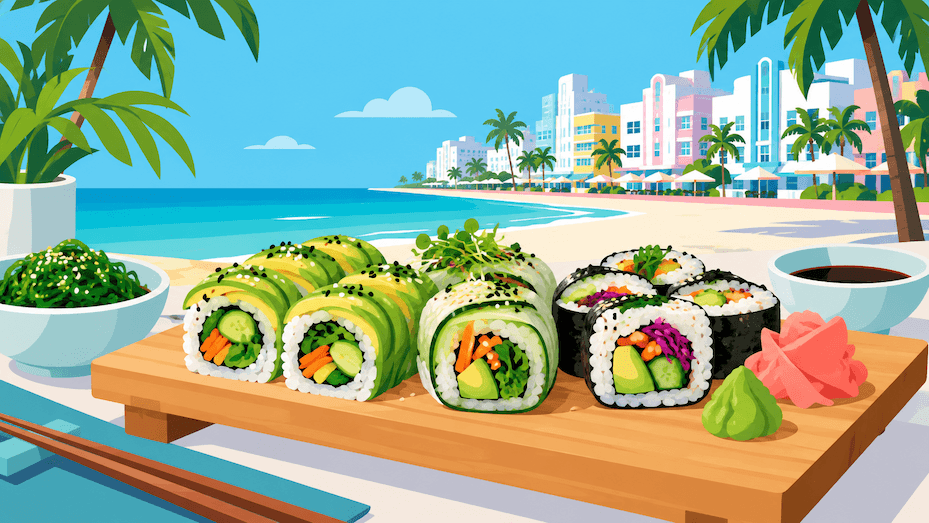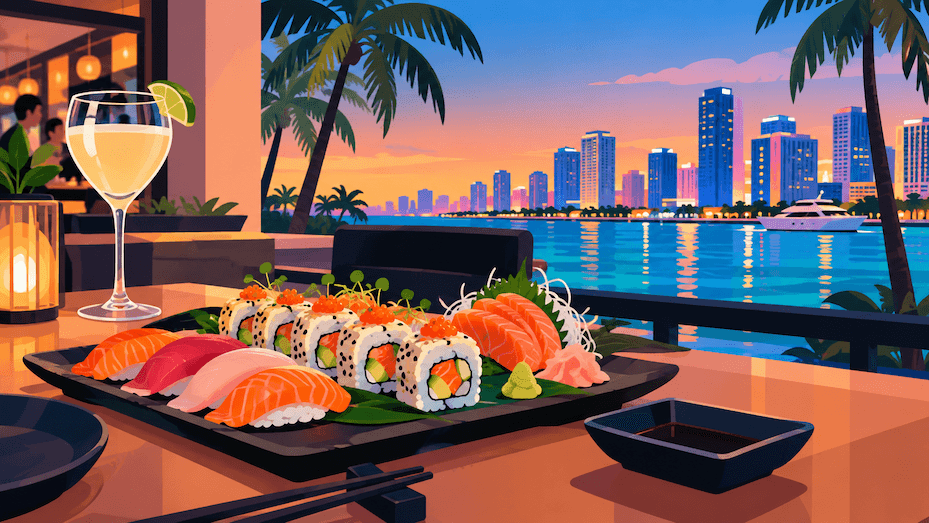
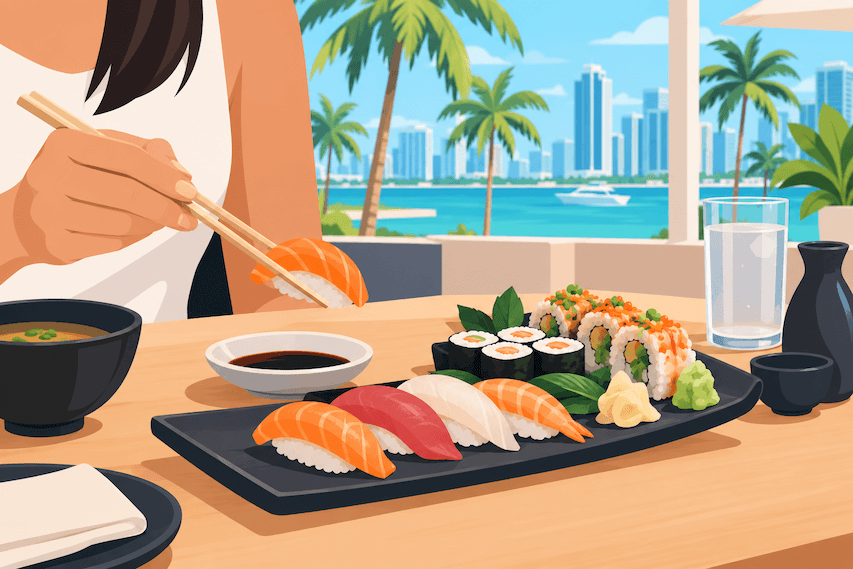
Sushi etiquette in Miami is simple: respect the food, the chef, the staff, and the people you are dining with. You do not need to know every Japanese custom before visiting a sushi restaurant, but understanding a few basics about chopsticks, soy sauce, ginger, ordering, and eating sushi can make your experience more comfortable.
Miami’s sushi scene ranges from casual restaurants to sophisticated South Beach dining rooms, so etiquette can vary slightly by setting. At a modern restaurant such as Tokyo Sushi Speakeasy, the goal is not to follow rigid rules but to enjoy the food thoughtfully while respecting the craft behind it.
What Is Proper Sushi Etiquette in Miami?
Proper sushi etiquette in Miami means eating sushi in a considerate way, using chopsticks appropriately, avoiding unnecessary waste, and allowing each dish to be enjoyed as intended. Most importantly, you should feel comfortable asking questions if you are unfamiliar with something on the menu.
Miami restaurants often combine traditional Japanese techniques with modern dining styles, so you may encounter everything from classic nigiri and sashimi to elaborate signature rolls and cocktails.
A few basic principles cover most situations:
Treat sushi as carefully prepared food rather than something to rush through.
Use chopsticks correctly when appropriate.
Avoid excessive soy sauce.
Eat sushi relatively soon after it is served.
Do not mix wasabi into an entire dish without considering the chef’s preparation.
Keep your phone and conversation volume under control.
Tell the restaurant about allergies or dietary restrictions before ordering.
Ask questions when you are unsure rather than guessing.
These simple habits work whether you are enjoying a casual sushi dinner, a date night, or a more elaborate chef-led experience.
Should You Eat Sushi With Chopsticks or Your Hands?
Both are acceptable depending on the type of sushi and the restaurant setting. Nigiri is traditionally suitable for eating with your hands, while chopsticks are particularly convenient for sashimi and many other dishes.
There is no need to feel uncomfortable if you see another diner eating sushi differently from you.
When Is It Appropriate to Use Your Hands?
Nigiri can traditionally be picked up with your fingers because its compact structure makes it easy to handle without utensils.
When eating nigiri by hand:
Pick up the piece gently with your thumb and fingers.
Turn it slightly so the fish faces downward.
If soy sauce is needed, lightly touch the fish to the sauce.
Eat the piece in one bite when practical.
The important point is to handle the sushi gently. Pressing down too hard can cause the rice to break apart.
When Should You Use Chopsticks?
Chopsticks are useful for sashimi, appetizers, small plates, and many rolls.
They can also be useful when you simply prefer not to eat with your hands. Modern Miami sushi restaurants generally accommodate both approaches.
If you are unsure what is customary for a particular dish, watching how it is served or asking your server is perfectly reasonable.
For a more detailed explanation of the different sushi formats, this guide to sushi types explains the differences between nigiri, sashimi, maki, temaki, and other preparations.
How Should You Use Soy Sauce With Sushi?
Use soy sauce sparingly and avoid soaking the rice. A small amount of soy sauce should complement the fish rather than overwhelm its flavor.
This is particularly relevant when eating carefully seasoned nigiri.
Should You Dip the Rice Into Soy Sauce?
Usually, it is better to avoid dipping the rice directly into soy sauce when eating nigiri.
Rice can absorb too much sauce, causing the piece to become overly salty or fall apart. Turning the nigiri slightly and touching the fish side to the soy sauce gives you considerably more control.
For rolls, dipping is generally easier because the ingredients and rice are already held together by the nori.
How Much Soy Sauce Should You Use?
Start with a small amount and add more only if necessary.
A useful rule is:
If the soy sauce is the first flavor you notice, you probably used too much.
Premium fish, sushi rice, sauces, and toppings are carefully balanced. Excessive soy sauce can hide those flavors.
This is especially important with elaborate rolls containing ingredients such as caviar, eel sauce, spicy mayo, or other seasonings.
Should You Mix Wasabi Into Soy Sauce?
There is no universal rule that you must never mix wasabi into soy sauce, particularly in casual Western sushi dining. However, if the chef has already seasoned the sushi, adding large amounts of wasabi may overwhelm the intended flavor balance.
For prepared nigiri, consider tasting the piece first before adding anything.
When Should You Add Wasabi?
If additional wasabi is provided and you want more heat, use a small amount directly with the sushi rather than automatically mixing a large quantity into your soy sauce.
Different restaurants also use wasabi differently. Some preparations may already contain it between the fish and rice.
When in doubt, ask your server whether the chef has already seasoned the sushi.
What Should You Do With Pickled Ginger?
Pickled ginger, or gari, is generally intended as a palate cleanser between different bites of sushi. It helps refresh your palate before moving from one fish or preparation to another.
Instead of placing a large amount of ginger directly on your nigiri, eat a small piece between different sushi selections.
For example, you might move through your meal like this:
Light white fish
Pickled ginger
Salmon
Pickled ginger
Tuna
Pickled ginger
Richer or specialty preparations
This allows you to distinguish the flavors rather than carrying the taste of one piece into the next.
How Should You Eat Nigiri?
Nigiri is generally best eaten in one bite when the size allows it. This lets you experience the rice, fish, seasoning, and texture together.
The basic approach is straightforward:
Pick up the nigiri gently.
Keep the fish side facing downward when practical.
Use only a small amount of soy sauce if needed.
Eat it soon after it arrives.
Avoid taking the fish off the rice.
Give yourself time to taste the combination.
The idea is not to turn sushi into a formal performance. It is simply about allowing the chef’s preparation to work as intended.
Is It Rude to Eat Sushi in More Than One Bite?
Not necessarily, particularly with larger modern rolls. However, traditional nigiri is designed to be bite-sized, while some contemporary Miami signature rolls are considerably larger and may be easier to divide.
The important distinction is between eating comfortably and deliberately altering a carefully prepared piece.
If a large roll is difficult to eat in one bite, take smaller bites rather than forcing yourself to finish it all at once.
Tokyo Sushi Speakeasy’s current menu, for example, includes eight-piece signature rolls ranging from the Tokyo Gold Roll to the South Beach Roll, so the practical approach can differ depending on the preparation.
What Should You Know About Ordering Sushi in Miami?
Good sushi ordering etiquette starts with giving the restaurant enough information to help you. Tell your server about allergies, dietary restrictions, preferences, and your experience level if you are unfamiliar with Japanese cuisine.
You do not need to pretend to be an expert.
Is It Okay to Ask the Sushi Chef Questions?
Absolutely. Asking about unfamiliar fish, preparation methods, ingredients, or recommendations is normal.
Useful questions include:
“What fish is freshest tonight?”
“Is this preparation raw or cooked?”
“What would you recommend for someone new to sushi?”
“Is there wasabi already on this nigiri?”
“Which sake would pair well with this?”
“Does this roll contain shellfish?”
“Is this sauce spicy?”
A good sushi experience should make room for curiosity.
If you are new to chef-guided dining, understanding what to expect from omakase in Miami can also help you understand how ordering differs from a conventional à la carte meal.
How Should You Order Sushi for the Table?
For a group, ordering a mixture of sushi styles usually works better than ordering several similar rolls.
A balanced table might include:
Course | Examples | Purpose |
|---|---|---|
Small plates | Appetizers or Japanese dishes | Start the meal |
Sashimi | Tuna, salmon, hamachi | Experience the fish directly |
Nigiri | Individual fish over rice | Experience fish and rice together |
Signature rolls | Specialty maki | Add creative flavors and textures |
Drinks | Sake or cocktails | Complement the meal |
Dessert | Japanese-inspired or restaurant specialties | Finish the evening |
Ordering progressively also prevents the table from becoming overcrowded with food.
Start with lighter dishes, see how much everyone wants to eat, and then add richer rolls or specialty items.
Is It Proper to Share Sushi?
Yes. Sharing sushi is common, especially in Miami’s social dining environment. The easiest approach is to order several dishes for the table and allow everyone to take individual portions.
When sharing:
Use serving utensils when provided.
Avoid reaching across another person’s plate.
Take a reasonable portion.
Let others try popular dishes before taking additional pieces.
Ask before taking the last piece of a shared dish.
For larger groups, ordering several different preparations can make the meal more interesting than having everyone order the same roll.
What Are Common Chopstick Mistakes to Avoid?
Several chopstick habits are considered poor etiquette in Japanese dining. Knowing them is useful even in a modern Miami sushi restaurant.
Avoid:
Sticking chopsticks vertically into a bowl of rice.
Passing food directly from one pair of chopsticks to another.
Pointing at people with chopsticks.
Waving chopsticks while talking.
Using chopsticks to move plates around the table.
Playing with chopsticks or tapping them against dishes.
Searching through a shared dish with chopsticks.
These customs are more than arbitrary rules. Some have associations with Japanese funeral traditions, which is why they are generally avoided in formal dining situations.
If you need to put your chopsticks down, use the provided chopstick rest when one is available.
What Should You Do With Chopsticks Between Bites?
Place chopsticks on the provided rest rather than directly across the table or on top of another person’s dish.
If no rest is available, follow the restaurant’s setup rather than improvising with another plate.
You also do not need to hold your chopsticks continuously while talking. Putting them down between bites is perfectly normal.
Should You Use Your Phone at a Sushi Restaurant?
Keep phone use discreet, particularly during a date, business dinner, or chef-led meal. Taking a quick photo of an attractive sushi plate is common, but extended filming or photographing can interfere with other guests and staff.
Tokyo’s speakeasy-style environment is designed around atmosphere as well as food, so being mindful of the room is particularly appropriate.
A good approach is:
Take your photo quickly.
Avoid using flash unless necessary.
Do not photograph other guests without permission.
Keep phone conversations away from the table.
Put your phone away during the main part of the meal.
The goal is to document the experience without allowing the phone to become the experience.
What Should You Wear to a Sushi Restaurant in Miami?
Dress depends on the restaurant, neighborhood, and occasion, but smart-casual clothing is generally a practical choice for an upscale South Beach sushi dinner.
Miami has a relaxed dress culture, but there is a difference between beachwear and evening dining attire.
For a more polished sushi dinner, consider:
A clean button-down or well-fitted shirt
A dress, blouse, or polished evening outfit
Clean trousers or dark jeans
Appropriate evening footwear
Light layers for air-conditioned interiors
For a restaurant with a speakeasy atmosphere, dressing with some intention can also make the evening feel more cohesive.
Tokyo Sushi Speakeasy operates at 1000 Collins Ave in Miami Beach, making it part of the South Beach dining and nightlife environment. Check the restaurant’s current hours and policies before visiting.
How Does Sushi Etiquette Change During Omakase?
Omakase generally requires a little more attention because the chef controls more of the meal. The best approach is to listen, ask questions when appropriate, and allow the chef to control the pace.
During a chef-led experience:
Arrive on time.
Tell the restaurant about allergies beforehand.
Avoid making extensive substitutions without asking.
Eat each course soon after it is served.
Listen when the chef explains an ingredient or preparation.
Ask questions respectfully.
Avoid rushing through courses.
You can learn more about the distinction between chef-guided dining and conventional ordering in this comparison of omakase and à la carte sushi.
What Should You Do If You Have a Food Allergy?
Tell the restaurant before ordering and be specific about the ingredient or allergen. Do not rely on assumptions about sauces, marinades, garnishes, or cross-contact.
This is particularly important with sushi because seemingly simple dishes can contain multiple ingredients.
For example, a roll may contain:
Soy sauce
Sesame
Shellfish
Spicy mayo
Tempura ingredients
Fish roe
Cream cheese
Specialty sauces
If you have a serious allergy, communicate it clearly before eating and ask what the restaurant can safely accommodate.
Similarly, diners following vegetarian or gluten-free diets should ask about preparation rather than assuming that a particular sushi roll is automatically suitable.
How Should You Pair Drinks With Sushi?
There is no single correct drink for sushi. Sake, cocktails, beer, wine, and non-alcoholic beverages can all work depending on the food and your preferences.
The key etiquette point is moderation: let the food remain part of the experience.
For lighter sushi, refreshing drinks with acidity can work well. Richer rolls can handle drinks with more body and flavor.
Sake is an especially natural option for Japanese dining, and different styles offer noticeably different profiles. Tokyo Sushi Speakeasy’s sake selection includes styles such as junmai, ginjo, daiginjo, and nigori.
If you prefer cocktails, this guide to liquor and sushi pairings explains how vodka, gin, Japanese whisky, liqueurs, and sake can work with different sushi preparations.
What Are the Biggest Sushi Etiquette Mistakes to Avoid?
The biggest mistakes are usually simple: using too much soy sauce, mishandling chopsticks, ignoring allergies, rushing the meal, or treating the restaurant like a photo set instead of a dining room.
Here is a quick checklist:
Do | Avoid |
|---|---|
Ask questions | Pretending you understand something you don’t |
Use soy sauce lightly | Soaking sushi in soy sauce |
Eat sushi soon after serving | Letting delicate sushi sit for a long time |
Use chopsticks appropriately | Sticking chopsticks upright in rice |
Share thoughtfully | Taking the last shared piece without asking |
Mention allergies | Assuming ingredients are safe |
Take quick photos | Constant filming or using flash |
Respect the chef’s preparation | Overloading carefully prepared sushi with sauces |
Keep conversations comfortable | Speaking loudly across the restaurant |
Following these basics is enough for most sushi dining situations.
Does Sushi Etiquette Matter at a Modern Miami Restaurant?
Yes, but it should make dining easier rather than intimidating. Modern Miami sushi restaurants often blend Japanese culinary traditions with contemporary menus, cocktails, music, and nightlife, so strict traditional rules do not define the entire experience.
The important principles remain consistent:
Respect the food.
Respect the people around you.
Respect the staff.
Communicate dietary restrictions.
Handle shared dishes thoughtfully.
Enjoy the meal at a comfortable pace.
That approach works whether you’re eating classic nigiri at a sushi counter or sharing elaborate signature rolls with friends in South Beach.
What Is the Best Way to Enjoy a Sushi Dinner in Miami?
The best approach is to arrive prepared but not overly concerned about doing everything perfectly. Know a few basic etiquette rules, ask questions when needed, and give yourself time to enjoy each dish.
A comfortable sushi dinner can follow this simple progression:
Start with drinks or a light appetizer.
Try sashimi or nigiri.
Use ginger between different fish.
Add a signature roll for variety.
Pair later courses with sake or a cocktail.
Slow down and enjoy the atmosphere.
Finish with dessert or another drink if you want to extend the evening.
For a restaurant such as Tokyo Sushi Speakeasy, the experience extends beyond the sushi itself. The menu, cocktails, atmosphere, service, and South Beach setting all contribute to the evening.
You can also explore the current sushi menu before your visit to see the available nigiri, sashimi, signature rolls, small plates, and drinks.
Sushi Etiquette in Miami: Key Takeaways
Sushi etiquette does not need to be complicated. A few thoughtful habits will help you feel confident at virtually any Miami sushi restaurant.
Remember these essentials:
Use your hands or chopsticks appropriately depending on the dish.
Keep soy sauce light so it does not overpower the sushi.
Use ginger between bites to refresh your palate.
Avoid common chopstick mistakes such as standing them vertically in rice.
Eat freshly prepared sushi promptly.
Ask about unfamiliar ingredients.
Communicate allergies and dietary restrictions before ordering.
Share food thoughtfully with your table.
Keep phone use discreet.
Respect the chef’s preparation, especially during omakase.
Enjoy the experience rather than worrying about perfect etiquette.
Good sushi etiquette ultimately comes down to consideration. You are there to enjoy carefully prepared food, and a little awareness helps everyone at the table have a better experience.
FAQ: Sushi Etiquette in Miami
Is it okay to eat sushi with your hands?
Yes. Nigiri is traditionally suitable for eating with your hands, while chopsticks are commonly used for sashimi and other dishes.
Should you dip sushi rice-side down in soy sauce?
It is generally better to avoid soaking the rice because it can absorb too much soy sauce and fall apart. Lightly touching the fish side to the sauce gives you more control.
Is it rude to ask a sushi chef questions?
No. Asking about ingredients, preparation, freshness, or recommendations is perfectly reasonable and can help you understand the meal.
Should you eat nigiri in one bite?
Nigiri is generally designed to be eaten in one bite when its size allows it. Larger contemporary sushi creations may be more practical to eat in smaller bites.
Can you share sushi with other people?
Yes. Sharing sushi is common, especially when ordering several dishes for a group. Use serving utensils when provided and be considerate when taking from shared plates.
Is it okay to take pictures of sushi?
Yes, quick food photos are generally fine. Avoid flash when possible and do not photograph other guests without permission.
What should you do if you have a food allergy?
Tell the restaurant before ordering and clearly identify the allergen. Ask about ingredients, sauces, preparation, and possible cross-contact rather than making assumptions.
Is tipping expected at Miami sushi restaurants?
Tipping practices follow the restaurant’s current service and billing policies. Review the check carefully to see whether a service charge or gratuity has already been included before adding anything additional.
Do you need to know Japanese etiquette before eating sushi in Miami?
No. Knowing a few basics can make you more comfortable, but you do not need extensive knowledge of Japanese dining customs to enjoy sushi. Being respectful, considerate, and willing to ask questions goes a long way