Sushi rice can taste noticeably different from one restaurant to another, even when the fish and toppings are similar. The difference comes down to several details: the type of rice, how it is cooked, the balance of rice vinegar, sugar, and salt, the serving temperature, and the texture created when the rice is handled.
At great sushi restaurants, rice is not simply a base for seafood. It is an essential part of the dish, adding gentle acidity, subtle sweetness, and a tender texture that brings the flavors together. Understanding what makes sushi rice taste different can help you recognize better sushi and appreciate the craftsmanship behind every bite.
What Makes Sushi Rice Taste Different at Great Restaurants?
Sushi rice tastes different because its ingredients, preparation, seasoning, moisture, and temperature all influence the final flavor and texture. Even small variations in these factors can change how the rice complements fish, vegetables, and sauces.
Unlike ordinary steamed rice, sushi rice is typically seasoned with a mixture of rice vinegar, sugar, and salt. The goal is to create a balanced flavor that enhances the other ingredients without overpowering them.
Several factors contribute to the difference:
Rice variety: Determines starch content, stickiness, and texture.
Cooking technique: Affects moisture, tenderness, and consistency.
Vinegar seasoning: Creates the characteristic sweet-and-tangy flavor.
Serving temperature: Influences aroma, texture, and the perception of flavor.
Handling technique: Determines whether the grains remain distinct or become dense and mushy.
Ingredient balance: Ensures that the rice complements rather than competes with the fish and toppings.
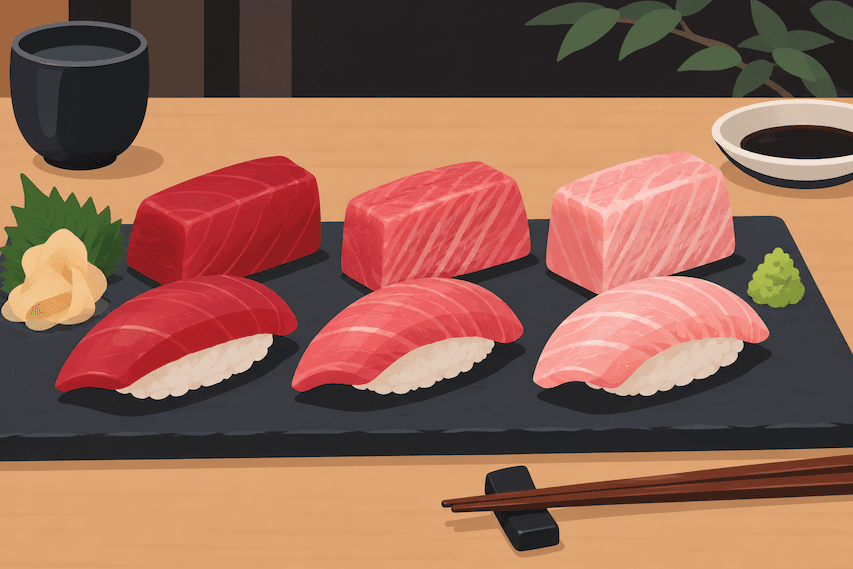
These details are especially noticeable in nigiri, where rice and fish are the primary components of each bite.
What Type of Rice Is Used for Authentic Sushi?
Japanese short-grain rice is commonly used for sushi because it develops the moisture, stickiness, and tender texture needed to hold its shape. However, not every short-grain rice variety produces the same result.
Sushi rice needs enough stickiness to remain together when shaped, but the grains should still have structure. Rice that is too dry can fall apart, while rice that is excessively wet may feel heavy and pasty.
Why Does Short-Grain Rice Work Best?
Short-grain Japanese rice contains starch characteristics that help it become cohesive when cooked. This allows sushi chefs to shape individual portions without turning the rice into a solid mass.
Good sushi rice should have several qualities:
A tender bite without a mushy center.
Enough stickiness to hold together when gently shaped.
A slight sheen from proper cooking and seasoning.
A clean, mild flavor that does not overwhelm the seafood.
Individual grains that remain distinguishable.
Medium-grain varieties may also be used in some preparations, but the important consideration is whether the rice delivers the desired texture and consistency.
Does Rice Quality Affect the Taste of Sushi?
Yes. Rice variety, freshness, storage, and cooking consistency can all influence the flavor of sushi.
High-quality rice often has a subtle natural sweetness and a pleasant texture. Proper storage helps protect its quality, while careful cooking ensures that the grains absorb water evenly.
The seasoning cannot completely compensate for poorly cooked rice. If the grains are hard in the center, overly wet, or unevenly cooked, those problems remain noticeable even after vinegar is added.
How Does Rice Vinegar Change the Flavor of Sushi Rice?
Rice vinegar gives sushi rice its characteristic acidity and helps balance its natural sweetness. Combined with salt and sugar, it creates a seasoning that makes the rice flavorful without turning it into the dominant ingredient.
The seasoning mixture is often called sushi-zu. Its proportions vary according to the chef’s style, the rice being used, and the intended sushi preparation.
Why Are Vinegar, Sugar, and Salt Important?
Each ingredient has a different role in the final flavor.
Ingredient | Main Purpose | Effect on Sushi Rice |
|---|---|---|
Rice vinegar | Adds acidity | Creates brightness and balances richness |
Sugar | Adds sweetness | Softens the sharpness of the vinegar |
Salt | Enhances flavor | Makes the rice taste more complete |
Water | Controls cooking moisture | Helps determine tenderness and texture |
The goal is not to make the rice taste strongly of vinegar or sugar. Instead, the seasoning should create a subtle sweet-and-sour balance that works with the fish.
Why Does Sushi Rice Sometimes Taste Too Sour or Too Sweet?
Sushi rice can taste unbalanced when the seasoning proportions do not suit the rice or the dish.
Too much vinegar can create an aggressive acidic taste. Excessive sugar may make the rice seem dessert-like, while insufficient seasoning can leave it bland and disconnected from the seafood.
The ideal balance depends on the preparation. A simple piece of nigiri may benefit from restrained seasoning, while a roll containing richer ingredients or several sauces may need a slightly different flavor profile.
There is no single universal ratio that defines excellent sushi rice. Consistency and balance matter more than following one fixed formula.
Why Does the Temperature of Sushi Rice Matter?
Sushi rice temperature affects its aroma, texture, and the way it interacts with the fish. Rice served at an appropriate temperature generally feels more tender and aromatic than rice that has been improperly chilled or left to dry out.
Traditional sushi preparation often aims for rice that is around body temperature or slightly warm, although the ideal temperature varies with the style of sushi and the chef’s approach.
Is Sushi Rice Supposed to Be Warm or Cold?
Sushi rice is generally not intended to be served refrigerator-cold. Properly prepared rice is commonly served at room temperature or slightly warm, depending on the dish.
Cold rice can become firmer and less aromatic. This can make the texture feel dense and reduce the impression of sweetness. Rice that is excessively hot, on the other hand, may interfere with the intended balance of temperature between the rice and seafood.
The aim is to serve the rice at a temperature that allows its texture and flavor to complement the topping.
How Does Temperature Affect the Fish and Rice Together?
Temperature matters because sushi is a combination of ingredients with different textures and flavor characteristics.
When the rice is appropriately tempered, it can feel soft and cohesive alongside the fish. If the rice is very cold and firm while the fish has a delicate texture, the contrast may distract from the overall bite.
This relationship is particularly important with nigiri, where the rice and fish are experienced together in a single mouthful.
What Makes Sushi Rice Soft, Sticky, or Mushy?
Sushi rice texture depends on the rice variety, water ratio, cooking method, resting time, and handling technique. Properly prepared rice should hold together when shaped while remaining tender and distinct rather than becoming a dense, sticky paste.
Texture is one of the clearest ways to distinguish carefully prepared sushi rice from rice that has been cooked or handled poorly.
What Causes Mushy Sushi Rice?
Mushy rice usually results from excessive moisture, uneven cooking, overhandling, or a combination of these factors.
Common causes include:
Adding too much water during cooking.
Failing to rinse the rice adequately when the chosen preparation calls for rinsing.
Mixing the rice too aggressively.
Allowing the rice to sit in excess liquid.
Compressing the rice too firmly while shaping sushi.
Rinsing helps remove excess surface starch, while proper water measurement and cooking help the grains reach the desired consistency.
Why Should Sushi Rice Be Handled Gently?
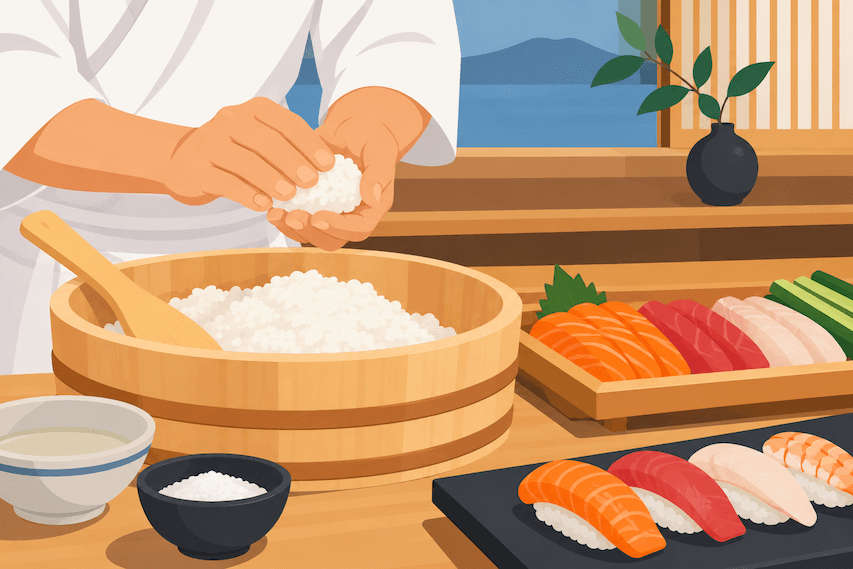
Gentle handling helps preserve the structure of the grains. When seasoning is incorporated, chefs commonly use a cutting and folding motion rather than stirring vigorously.
This technique distributes the seasoning while reducing the risk of crushing the rice. Some preparations also use careful fanning to help manage moisture and cool the rice.
When forming nigiri, the chef applies enough pressure to hold the rice together without making it compact. The finished piece should remain cohesive but feel light when eaten.
How Does Sushi Rice Affect the Taste of Nigiri and Rolls?
Sushi rice affects nigiri and rolls differently because each style combines rice with other ingredients in a different proportion. In nigiri, the rice is a central part of the bite, while rolls may contain additional textures, vegetables, sauces, and cooked or raw fillings.
Understanding this difference helps explain why rice seasoning and texture can be adjusted to suit different preparations.
Why Is Rice So Important in Nigiri?
Nigiri consists of a small portion of seasoned rice topped with fish or seafood. Because the ingredient list is relatively simple, the rice has a direct influence on the overall flavor.
Good nigiri rice should complement the fish with gentle acidity and sweetness. It should also be shaped loosely enough to remain tender while supporting the topping.
For example, when enjoying a delicate fish such as hamachi, balanced rice seasoning can help highlight the fish’s rich, buttery character without overwhelming it. If you want to understand how the seafood itself contributes to the experience, explore this guide to hamachi sashimi and how to order it.
Does Sushi Rice Matter as Much in Rolls?
Rice remains important in sushi rolls, but its role changes depending on the filling and toppings.
A simple cucumber roll relies on the rice for much of its flavor and texture. A specialty roll with shrimp tempura, avocado, sauces, and other toppings has more competing flavors and textures.
In either case, properly prepared rice helps the ingredients work together. Too much rice can make a roll feel heavy, while poorly seasoned rice may disappear behind rich sauces or leave the entire bite tasting unbalanced.
For a broader understanding of how nigiri, maki, and other preparations differ, see the complete guide to sushi types.
How Can You Tell If a Sushi Restaurant Prepares Rice Well?
You can evaluate sushi rice by paying attention to its texture, seasoning, temperature, and how naturally it complements the seafood. You do not need to be a sushi expert to notice whether the rice feels balanced and carefully prepared.
Use these practical signs when dining at a sushi restaurant.
What Should Good Sushi Rice Look and Feel Like?
Look for rice that has a slight sheen and a cohesive but not overly compact structure. When you eat it, the grains should feel tender rather than crunchy, dry, or pasty.
Good sushi rice generally has:
A balanced flavor without excessive sweetness or acidity.
A tender texture that does not feel heavy.
Enough structure to hold together without becoming dense.
A temperature that complements the fish.
Seasoning that supports the other ingredients instead of masking them.
These characteristics are useful indicators, although the ideal result can vary according to the sushi style.
Should You Taste the Rice Before Adding Soy Sauce?
Yes. Tasting sushi before adding extra soy sauce can help you appreciate the seasoning that the chef has already incorporated.
Soy sauce can add saltiness and umami, but too much may cover the subtle flavors of the fish and rice. If the sushi is already seasoned, additional sauce may not be necessary.
This is especially relevant for nigiri, which may receive a light brush of sauce or other seasoning during preparation.
Is Freshly Prepared Sushi Rice Better?
Sushi rice is generally best enjoyed soon after it is prepared and shaped, while its moisture, texture, and temperature remain appropriate.
Leaving prepared sushi exposed for too long can cause the surface to dry out. Refrigeration can also make the rice firmer, affecting its eating quality.
Restaurants therefore need to manage preparation, holding, and service carefully. Food safety remains essential, too: cooked rice must be handled and stored appropriately rather than kept at unsafe temperatures in an effort to preserve its texture.
How Does Great Sushi Rice Complete the Dining Experience?
Great sushi rice brings together the different elements of a sushi dish. Its acidity balances richness, its mild sweetness complements seafood, and its texture gives each bite structure without competing with the other ingredients.
This is why rice preparation deserves attention alongside fish quality, knife technique, and presentation. As explained in the broader guide to choosing quality sushi in miami, the quality of a sushi experience depends on several elements working together rather than one ingredient carrying the entire dish.
At Tokyo Sushi Speakeasy, guests can explore different Japanese-inspired preparations and consider how rice, seafood, toppings, and sauces interact across a meal. Reviewing the current sushi menu can help you choose dishes that suit your preferences, whether you favor straightforward sushi flavors or more elaborate signature rolls.
The next time you order sushi, pay attention to the rice before adding extra seasoning. Notice its temperature, tenderness, acidity, and how it complements the topping. Those small details can reveal a great deal about the care that goes into each piece.
Frequently Asked Questions About Sushi Rice
What makes restaurant sushi rice taste better than homemade sushi rice?
Restaurant sushi rice may taste different because chefs refine the rice variety, water ratio, cooking process, seasoning, temperature, and shaping technique. Consistency across these steps is often more important than any single ingredient.
Does sushi rice contain sugar?
Traditional sushi rice seasoning commonly includes sugar, rice vinegar, and salt. The amount of sugar varies by recipe, and some preparations use less or omit it to achieve a different flavor balance.
Why is sushi rice slightly sweet and sour?
The mild sweetness comes from the rice itself and often from added sugar, while rice vinegar supplies acidity. Salt helps balance both flavors, producing the characteristic taste associated with seasoned sushi rice.
Why does sushi rice stick together?
Sushi rice contains starches that become sticky during cooking. This stickiness allows the grains to hold together when shaped, but good preparation preserves enough structure to avoid a mushy texture.
Should sushi rice be served hot?
Sushi rice is generally served at room temperature or slightly warm rather than piping hot. The appropriate temperature depends on the sushi style and the chef’s preparation.
Can you make good sushi rice with regular long-grain rice?
Long-grain rice is usually less cohesive than Japanese short-grain rice, making it harder to shape into traditional sushi. Short-grain Japanese rice is generally the preferred choice for its texture and ability to hold together.
Is sushi rice the same as steamed white rice?
No. Sushi rice is cooked rice seasoned with a mixture commonly containing rice vinegar, sugar, and salt. Ordinary steamed white rice is generally unseasoned and has a different flavor profile.
Does the rice matter more than the fish in sushi?
Neither ingredient should be considered universally more important. Great sushi depends on the relationship between the rice, seafood, seasoning, temperature, and preparation. In nigiri, where the components are simple, the quality of the rice is particularly noticeable.
Final Thoughts
Sushi rice may seem like a supporting ingredient, but its preparation can significantly influence the flavor and texture of an entire dish. Rice variety, vinegar seasoning, cooking technique, temperature, and gentle handling all contribute to the finished result.
When these elements are balanced, the rice complements the seafood rather than competing with it. Paying attention to these details can help you appreciate sushi more fully and recognize the craftsmanship behind a well-prepared meal.